
2014 (year): overview and notable events
Concise encyclopedia entry for 2014: calendar position, defining global events, political and cultural highlights, and its broader significance in the early 21st century.
Overview
2014 (Roman numeral MMXIV) was a common year common year beginning on Wednesday in the Gregorian calendar. It is the 2014th year of the Common Era and of the Anno Domini era, the 14th year of the 3rd millennium, the 14th year of the 21st century and the 5th year of the 2010s decade. As a temporal marker, 2014 sits within a period of rapid geopolitical, technological and public-health developments that shaped subsequent years.
Image gallery
10 Images


Characteristics and chronology
Calendarwise, being a common year means 2014 had 365 days. The year followed 2013 and preceded 2015. In civil and historical timelines, 2014 is often used as a reference point for events that accelerated global trends such as digital consolidation, regional conflicts, and international public-health responses.
Major events and developments
Several widely reported events gave 2014 particular prominence in contemporary memory. The following list highlights key political, humanitarian and technological developments without attempting a comprehensive chronology:
- International sports: the Winter Olympic Games were held in Sochi, Russia, drawing global attention to issues of security, cost and legacy.
- Aviation tragedies and mysteries: the disappearance of Malaysia Airlines Flight MH370 and the downing of Malaysia Airlines Flight MH17 over eastern Ukraine sparked global investigations and debate.
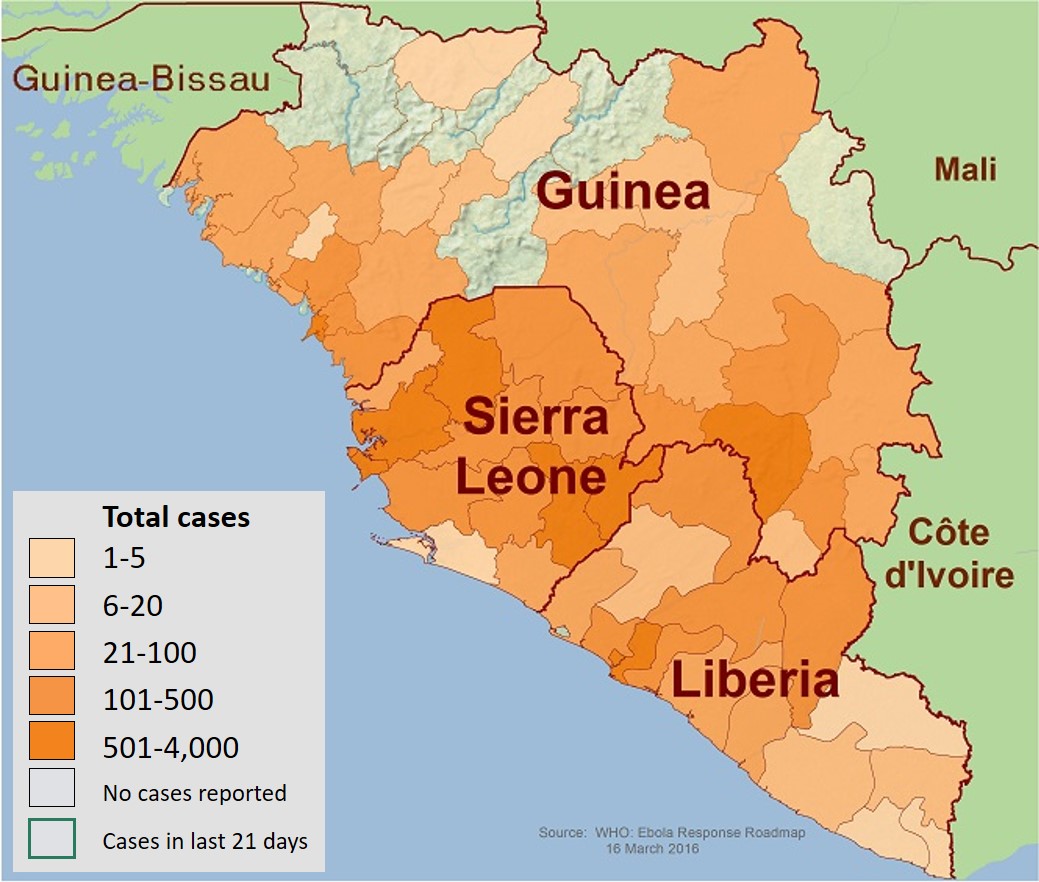
- Public health: a large Ebola virus epidemic in West Africa prompted an international emergency response and changes in epidemic preparedness.
- Security and geopolitics: the rise and territorial gains of the militant group commonly called ISIS (also known as ISIL) led to military and diplomatic reactions across the Middle East and beyond.
- Politics: major national elections and referendums, including India's national election that brought a new government to power and Scotland's independence referendum, shaped domestic and regional politics.
- Technology and business: large-scale corporate moves and widespread consumer product releases reflected continued consolidation and innovation in social media, mobile devices and software.
Context and significance
Observers often treat 2014 as a turning point for several intersecting trends. The year highlighted vulnerabilities in global health systems, demonstrated the speed of information and misinformation in crises, and showed how regional conflicts can produce wide international repercussions. Economically and culturally, 2014 continued the shift toward mobile platforms, social networks and global digital marketplaces.
Notable distinctions and legacy
While any single year contains a vast number of local stories, 2014 is frequently invoked in discussions about early-21st-century instability and technological change. Its major incidents influenced subsequent policy debates on aviation safety, epidemic control, counterterrorism and digital regulation. For readers seeking more detail, specialized timelines and thematic studies offer deeper, sourced accounts of the events summarized here.
See also: timelines and year-by-year chronologies for politics, science, culture and economy, which expand on the themes sketched in this summary.
Related articles
Author
AlegsaOnline.com 2014 (year): overview and notable events Leandro Alegsa
URL: https://en.alegsaonline.com/art/112519
Sources
- 2014
- bbc.co.uk : "Stem cell 'major discovery' claimed"
- bbc.co.uk : "Belgium's parliament votes through child euthanasia"
- edition.cnn.com : "Search intensifies for Malaysian airliner and 239 people, rescue ships head to sea"
- bbc.com : "Ukraine crisis: EU ponders Russia sanctions over Crimea vote"
- cbsnews.com : "Russia officially annexes Crimea away from Ukraine with signature from Vladimir Putin"
- rferl.org : "PACE Deprives Russia Of Voting Rights"
- edition.cnn.com : "Sainthood for John Paul II and John XXIII, as crowds pack St. Peter's Square"
- bbc.co.uk : "Afghanistan landslide: Rescuers end search for survivors"
- huffingtonpost.com : "UN: Spread of Polio is a World Health Emergency"
- huffingtonpost.com : "Boko Haram Attack Kills Hundreds In Border Town"
- bbc.com : "Military 'takes control' in Thailand"
- jpost.com : "IDF starts Gaza ground offensive"
- cbsnews.com : "Malaysia Airlines Flight 17: Officials say plane shot down over Ukraine"
- un.org : "Resolution 2166 (2014)"