
2006 Winter Olympics (Turin)
The XX Olympic Winter Games were held in Turin, Italy from 10–26 February 2006, featuring 84 events, some 2,508 athletes, and a multi-venue program across the Piedmont region under the motto "Passion lives here."
Overview
The 2006 Winter Olympics, officially the XX Olympic Winter Games, took place in Turin in northwest Italy from 10 to 26 February 2006. These Games represented Italy's second time hosting the Winter Olympics after the 1956 Winter Games at Cortina d'Ampezzo, and followed Italy's earlier hosting of the 1960 Summer Games in Rome. The organizing committee promoted the event under the motto "Passion lives here," highlighting local culture and a focus on spectatorship and hospitality.
Image gallery
2 Images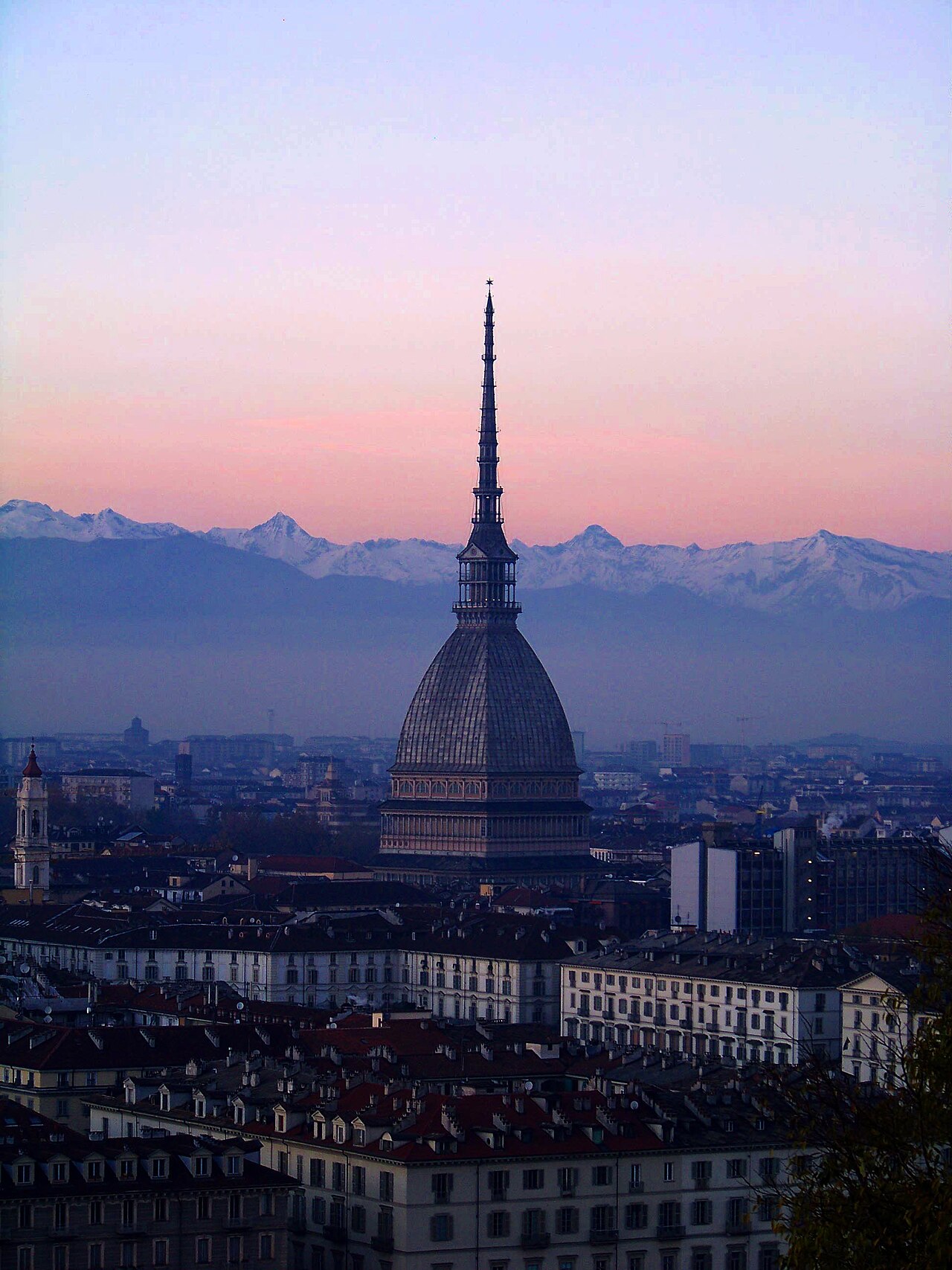

Participants and events
The Turin Games encompassed 84 medal events across the core winter disciplines. Official participant figures numbered approximately 1,548 men and 960 women, giving a total near 2,508 athletes from many National Olympic Committees. Competitions ranged from alpine and Nordic skiing to ice-based events and sliding sports.
- Alpine skiing, cross-country skiing, ski jumping and Nordic combined
- Biathlon, bobsleigh, luge and skeleton
- Figure skating, ice hockey, curling and short-track speed skating
- Freestyle skiing, snowboarding and long-track speed skating
Venues and organization
Events were staged across metropolitan Turin and several mountain sites in the Piedmont region, linking urban indoor arenas with alpine ski resorts and purpose-built sliding tracks. Organizers used a mix of existing facilities and new construction to accommodate competition, training and broadcast requirements. The distributed venue model aimed to showcase regional landscapes while concentrating ceremonies and cultural programming in the city.
Ceremonies, symbols and notable figures
The opening ceremony was conducted under the authority of the Italian head of state, with President Carlo Azeglio Ciampi formally opening the Games. The Olympic flame was carried into the stadium by celebrated Italian cross-country skier Stefania Belmondo as part of a ceremony that blended athletic pageantry with music, visual arts and regional traditions.
Legacy and significance
Turin 2006 left a mixed legacy common to modern Games: improved transport links and sporting facilities, expanded tourism marketing, and renewed interest in winter sport in the host region. The Games also prompted discussions about cost, post-Games venue use and environmental impact—issues that have become central to planning subsequent Olympic bids. Overall, the XX Olympic Winter Games are remembered for their urban setting, broad program of events and an emphasis on local culture and passion for winter sport.
For further context about the host city and earlier Italian Winter Olympics, see resources on Turin, the 1956 Winter Games at Cortina d'Ampezzo, and Italy's Olympic history including the 1960 Summer Games.
Related articles
Author
AlegsaOnline.com 2006 Winter Olympics (Turin) Leandro Alegsa
URL: https://en.alegsaonline.com/art/112388
Sources
- olympic.org : "Torino 2006: Flame in the Tallest Cauldron" · webcitation.org
- olympic.org : "Turin 2006—XXth Olympic Winter Games"
- torino2006.org : "Italian Passion in the Motto of Torino 2006"
- 2006 Winter Olympics