
2006 Pacific hurricane season
Above-normal Pacific hurricane season in 2006 with 19 named storms, 11 hurricanes and 6 major hurricanes. Active from mid‑May/June through November; notable for Hurricane Ioke and above-average activity.
The 2006 Pacific hurricane season produced an unusually high level of activity, registering 19 named storms, of which 11 became hurricanes and 6 intensified to major hurricane strength (Category 3 or higher). It was the most active eastern and central Pacific season since 2000 and is often cited in seasonal summaries for its large number of strong systems and long-lived storms. For an official season summary, see the season report.
Image gallery
10 Images


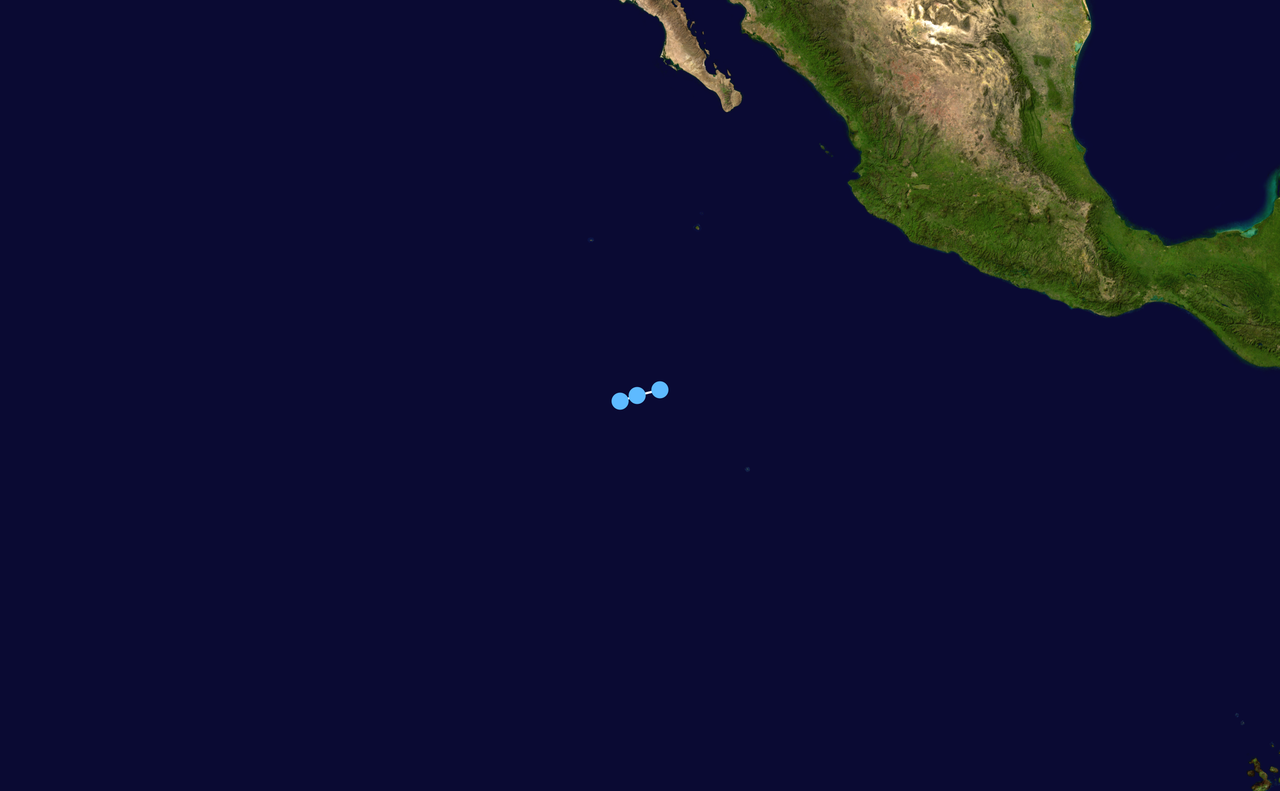


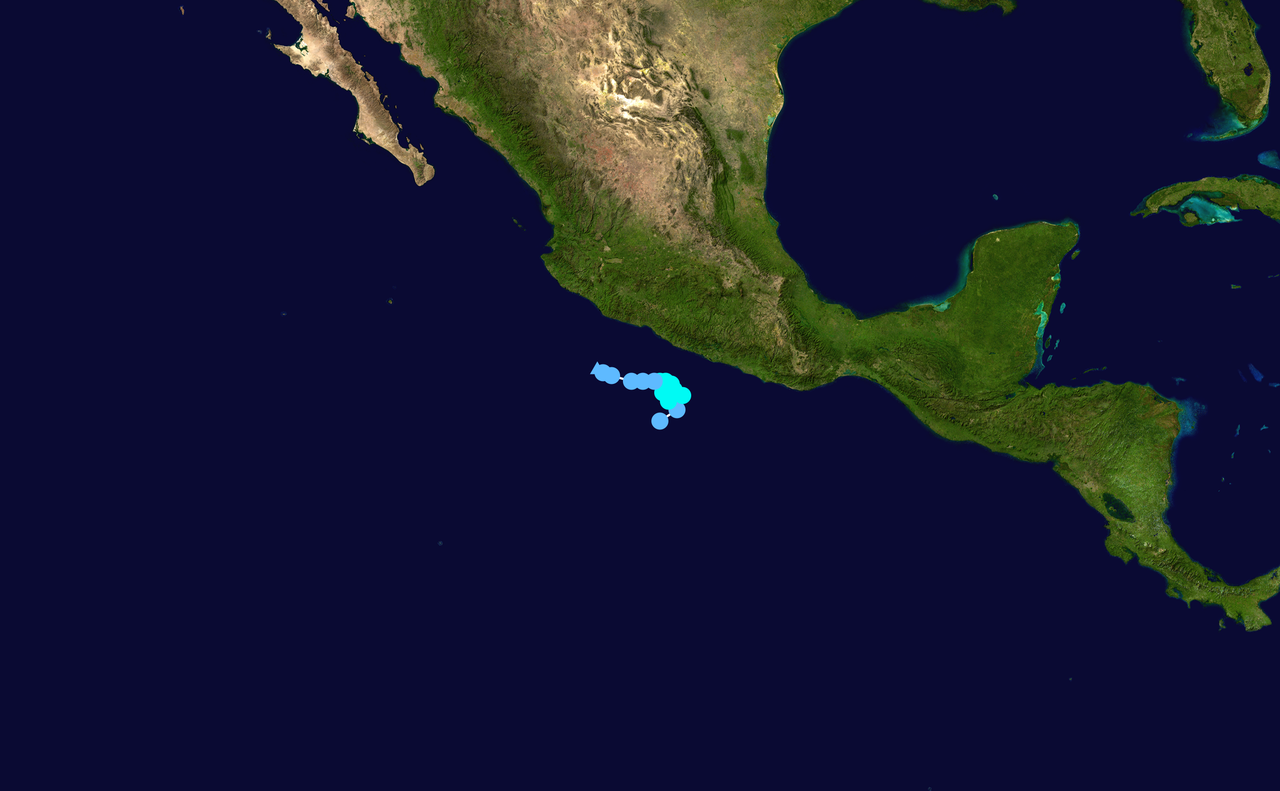

Season timing and basin boundaries
The season is defined by conventional start and end dates. In the eastern Pacific basin — the region east of 140°W — the season officially ran from May 15 through November 30. The central Pacific basin, between 140°W and the International Date Line, observes an official season from June 1 through November 30. These dates indicate when tropical cyclone formation is most likely; they are maintained by agencies such as the National Hurricane Center and the Central Pacific Hurricane Center. See the eastern Pacific dates here and the central Pacific dates here.
Characteristics and monitoring
Storms in the eastern and central Pacific are monitored by different centers: the NHC covers the eastern Pacific while the CPHC is responsible for the central Pacific. Classification follows standard tropical cyclone terminology: tropical depressions, tropical storms (which receive names), hurricanes, and major hurricanes. The 2006 season stood out for both the number of named storms and the proportion that reached major hurricane status. For basin definitions and operational details, consult the regional descriptions at basin overview and monitoring agencies.
Notable storms and behaviour
Although many 2006 storms remained well offshore, a few were exceptional for their intensity or longevity. The central Pacific produced Hurricane Ioke, which reached Category 5 intensity and maintained powerful winds while crossing large expanses of open ocean. Ioke later traversed the International Date Line and was tracked as a typhoon by western Pacific agencies; it caused notable damage to atoll facilities in the central Pacific. Detailed storm reports and post‑season analyses are available at storm archive.
Impacts and aftermath
Despite the season's high activity, direct landfalls were relatively limited compared with the number of storms. Several systems brought heavy rain to parts of Mexico's Pacific coast, producing localized flooding and agricultural impacts. Remnants of eastern Pacific systems occasionally enhanced rainfall in the southwestern United States. The season prompted reviews of forecasting and preparedness, particularly on remote Pacific islands affected by intense but distant storms. Additional background and impact summaries can be found in the post‑season review linked here.
Overall, the 2006 Pacific hurricane season is remembered for its elevated counts of hurricanes and major hurricanes, and for at least one exceptionally intense central Pacific cyclone that crossed into the western Pacific. The season reinforced the importance of monitoring both the eastern and central basins due to the potential for long‑track, high‑intensity storms to affect remote territories and maritime interests.
Questions and answers
Q: How many named storms occurred during the 2006 Pacific hurricane season?
A: 19 named storms occurred during the 2006 Pacific hurricane season.
Q: How many of these were hurricanes?
A: 11 of the 19 named storms were hurricanes.
Q: How many of these were major hurricanes?
A: 6 of the 19 named storms were major hurricanes.
Q: When did the 2006 Pacific hurricane season officially begin in the eastern Pacific?
A: The 2006 Pacific hurricane season officially began May 15, 2006 in the eastern Pacific.
Q: When did it begin in the central Pacific?
A: The 2006 Pacific hurricane season began on June 1, 2006 in the central Pacific.
Q: What is considered to be "the area east of 140°W"?
A: The area east of 140°W is considered to be part of the eastern Pacific basin.
Q: When did both seasons end?
A: Both seasons officially ended on November 30, 2006.
Related articles
Author
AlegsaOnline.com 2006 Pacific hurricane season Leandro Alegsa
URL: https://en.alegsaonline.com/art/112383
Sources
- nhc.noaa.gov : nhc.noaa.gov
- prh.noaa.gov : "2006 Tropical Cyclones Central North Pacific"
- nhc.noaa.gov : "Worldwide Tropical Cyclone Names" · webcitation.org
- weather.gov : "National Weather Service Instruction Tropical Cyclone Names and Pronunciation Guide" · web.archive.org
- ofcm.gov : "The Nation's Hurricane Program: An Interagency Success Story"