
2006 Palestinian Legislative Council election
The 2006 Palestinian legislative election elected a new Palestinian Legislative Council. Hamas won a surprising majority, defeating Fatah and triggering major political and international consequences.
The 2006 Palestinian legislative election, held on 25 January 2006, selected members of the Palestinian Legislative Council (PLC), the legislature of the Palestinian National Authority. Voters in both the Gaza Strip and the West Bank, including areas associated with East Jerusalem, participated in ballots that were the first full PLC contest since 1996. The vote took place against a background of stalled final-status negotiations, economic strain, and repeated delays to previous electoral timetables.
Image gallery
1 Image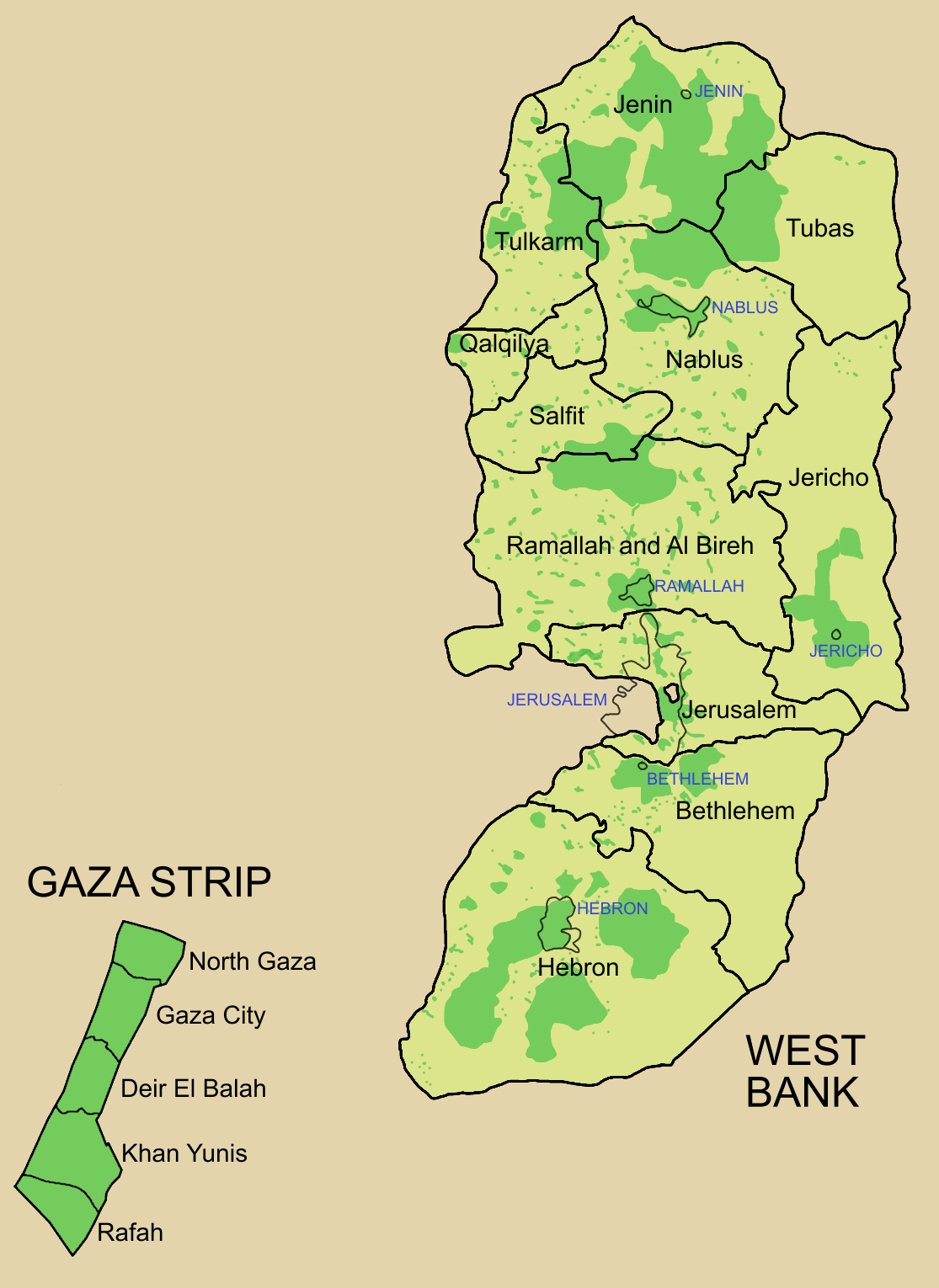
Electoral system and structure
The PLC at the time comprised 132 seats, allocated under a mixed electoral system: 66 seats were awarded from national party lists using proportional representation and 66 seats were filled by district-based single- or multi-member contests. This combination aimed to balance proportional party representation with local constituency links. Voter registration and polling logistics were conducted under the supervision of Palestinian electoral authorities, with international observers present for parts of the process.
Major parties and campaign
The contest featured a broad array of parties and independent candidates. The two dominant political groupings were Hamas, a movement with both political and social-service wings that had not previously governed the PNA, and Fatah, the long-standing secular nationalist party that had provided most senior Palestinian Authority leadership. Campaign themes included governance and corruption, security, social services, and responses to the occupation. Observers noted that Hamas ran a disciplined and focused campaign while Fatah faced public criticism over perceived mismanagement and factional disputes.
Election results and analysis
Official results gave Hamas a clear victory: it secured 74 seats in the 132-member council, while Fatah obtained 45 seats. The distribution reflected the mixed electoral formula: the allocation of the 66 list seats broadly matched party vote shares, but Hamas outperformed expectations in district contests. Analysts attributed this to more effective candidate selection and concentrated local campaigning by Hamas, together with a fragmented field of third parties and independents that diluted Fatah's vote in many districts. The outcome handed Hamas the capacity to form a majority government in the PLC.
Aftermath, government formation and international reaction
Following the results, Prime Minister Ahmed Qurei resigned but, at the request of President Mahmoud Abbas, remained as interim prime minister until a new cabinet was formed. In mid-February 2006 Hamas leader Ismail Haniya was nominated to head the new government. The election result provoked an immediate international response: several external actors and institutions warned of financial and diplomatic repercussions, with the so-called Quartet and other donors signalling that engagement and assistance would depend on the new government's positions and behavior on issues such as recognition of Israel, renunciation of violence, and acceptance of previous agreements.
Significance and longer-term effects
The 2006 election reshaped Palestinian politics. It demonstrated the potency of electoral competition even under difficult circumstances, but it also preceded a period of intense internal division. Political and security tensions between Hamas and Fatah escalated over the following year and culminated in armed confrontations that left Hamas in control of Gaza and the Palestinian Authority under Fatah-dominated leadership operating largely from the West Bank. The election remains a pivotal moment for understanding Palestinian governance, the limits of external influence, and the interaction of electoral outcomes with broader regional dynamics.
- Seat total: 132 (66 list, 66 district)
- Hamas seats: 74
- Fatah seats: 45
- Date: 25 January 2006
For further reading on the institutions and contemporary developments see official materials and election reports from recognized observer groups and government statements available through archival sources and analyses indexed online.
Questions and answers
Q: What is the Palestinian Legislative Council (PLC)?
A: The PLC is the legislature of the Palestinian National Authority (PNA), which was established in 1996. It is responsible for making laws and governing the Palestinian territories.
Q: When did Palestinians vote for the PLC?
A: Palestinians voted for the PLC on January 25, 2006.
Q: Who won the election?
A: Hamas won with 74 seats, while Fatah only got 45 seats. This gave Hamas a majority of 132 available seats and allowed them to form their own government.
Q: How did Hamas gain more seats than Fatah?
A: Analysis shows that Hamas nominated more strategically than Fatah and didn't have to compete with third parties or independents for voter support, allowing them to gain more seats in district elections.
Q: Who became Prime Minister following the election?
A: Ismail Haniya formed a new government after Ahmed Qurei resigned as Prime Minister on February 19th.
Q: What action did The Quartet take after the election?
A: Following the elections, The Quartet threatened to cut funds to the Palestinian Authority.
Related articles
Author
AlegsaOnline.com 2006 Palestinian Legislative Council election Leandro Alegsa
URL: https://en.alegsaonline.com/art/112384
Sources
- nytimes.com : "U.S. and Israelis Are Said to Talk of Hamas Ouster"
- fairvote.org : "It's the Election System, Stupid: The Misleading Hamas Majority and the System that Created It"