
2001 Pacific hurricane season
Tropical cyclone season in the northeastern Pacific in 2001, running from May to November. Notable storms included Hurricanes Adolph and Juliette; Juliette struck Baja California, causing two deaths.
Overview
The 2001 Pacific hurricane season covered the period conventionally associated with tropical cyclone activity in the northeastern Pacific basin. The season formally began in the eastern Pacific on May 15 and on June 1 in the central Pacific, both in the year 2001, and it lasted until November 30. These official dates mark when most storms typically develop in the northeastern Pacific Ocean, although individual systems can form earlier or later. The first tropical cyclone of the season developed on May 25 and the last system dissipated on November 3.
Image gallery
10 Images




Characteristics and notable systems
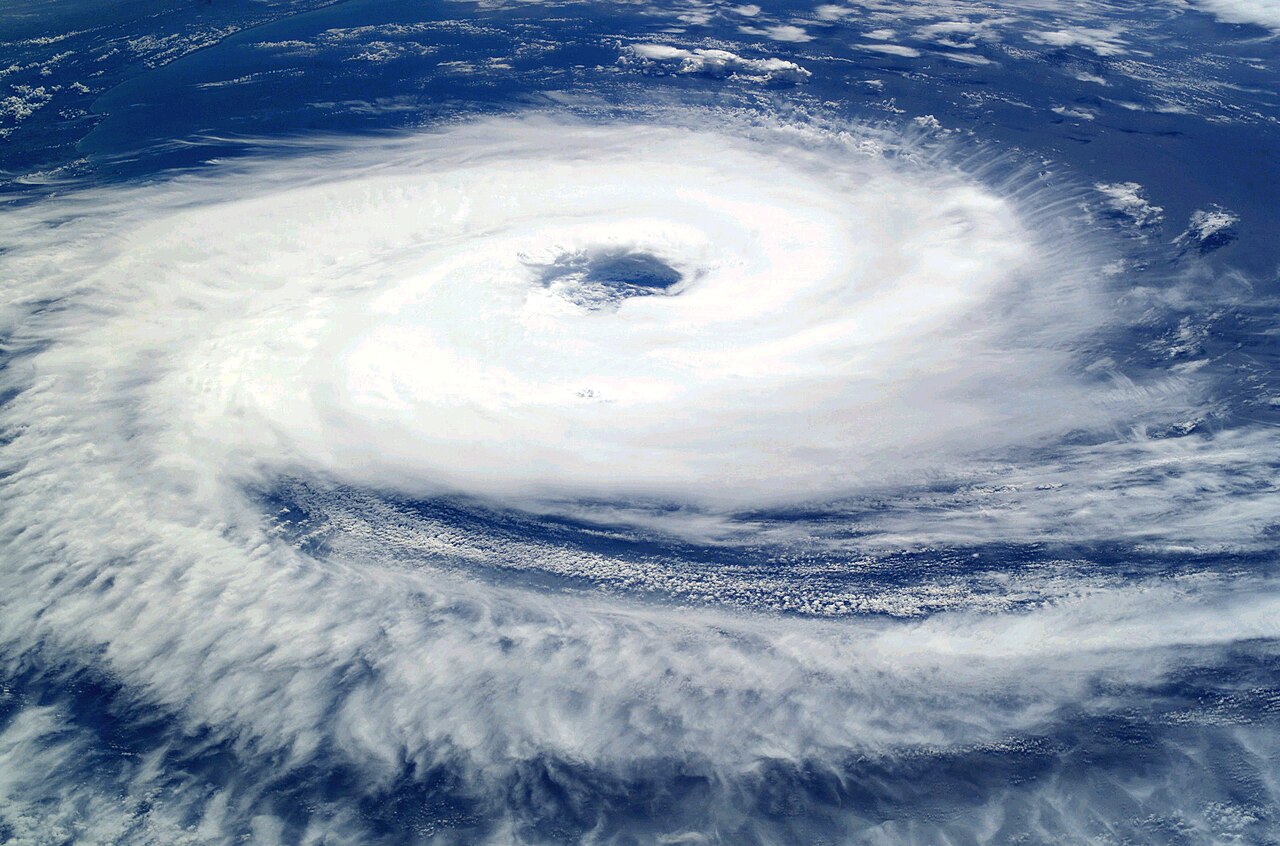
Most storms in 2001 tracked over open water and had limited direct impacts on land. Two hurricanes stood out for their intensity: Hurricane Adolph and Hurricane Juliette, each reaching major hurricane strength (Category 4 on the Saffir–Simpson scale). Category 4 storms have extremely powerful sustained winds and can cause catastrophic damage if they strike populated areas; however, many of the strongest Pacific hurricanes remain offshore and weaken before making landfall.
- Hurricane Adolph — A powerful system that attained Category 4 intensity but remained mainly over open waters, posing minimal threat to populated coastlines.
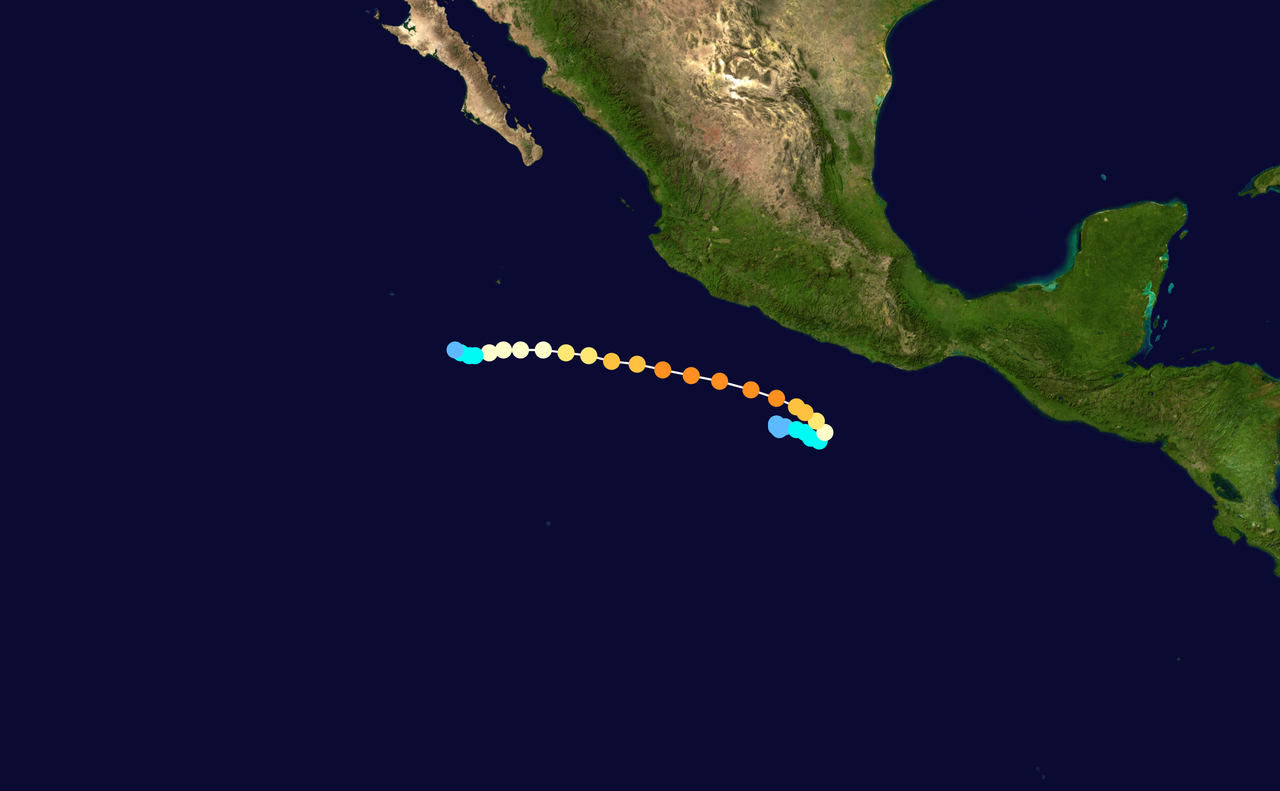
- Hurricane Juliette — Also reached Category 4 strength at peak intensity. Juliette later weakened and made landfall on the Baja California peninsula as a much weaker hurricane, where it caused storm-related fatalities and localized damage.
Impacts and preparedness
Overall, the 2001 season produced few major land impacts. The most notable human consequence was associated with Juliette's landfall on the Baja California peninsula; that event was responsible for two confirmed deaths. Local authorities and meteorological services in the region monitor eastern and central Pacific systems closely—primarily the National Hurricane Center (NHC) for the eastern Pacific and the Central Pacific Hurricane Center (CPHC) for the central Pacific—to issue watches, warnings, and guidance for evacuation and other preparedness measures.
Context and distinctions
Pacific hurricane seasons are distinct from Atlantic seasons in timing and typical storm tracks. Systems that form in the eastern Pacific often move westward away from land, but some curve north or northeast and affect Mexico and the Baja California region. The central Pacific opens a separate area of responsibility where storms can form near or cross the Date Line, invoking international coordination when necessary.
Legacy
Although the 2001 Pacific hurricane season did not produce widespread destruction, it illustrates recurring features of eastern Pacific tropical cyclones: frequent formation over warm ocean waters, a tendency for many storms to remain offshore, and episodic threats to coastal areas such as the Mexican mainland and the Baja California peninsula. Lessons from seasons like 2001 reinforce the importance of timely forecasting and local preparedness plans to reduce loss of life and property in the event of a landfalling hurricane.
For further historical records and technical summaries of individual storms from this season, consult regional tropical cyclone archives and official post-season reports by meteorological agencies.
Related articles
Author
AlegsaOnline.com 2001 Pacific hurricane season Leandro Alegsa
URL: https://en.alegsaonline.com/art/112325