
1992 Pacific hurricane season
A comprehensive overview of the 1992 Pacific hurricane season, its major storms, impacts on Mexico and Hawaii, unusual early-season activity, and notable meteorological features.
Overview
The 1992 Pacific hurricane season was among the more active seasons in the eastern and central Pacific basins and is remembered for a string of destructive storms. The season followed the typical Pacific hurricane calendar but included several exceptional events: an unusually destructive hurricane affecting Hawaii, multiple landfalling systems affecting Mexico and Central America, and rare off-season cyclones in the central Pacific.
Image gallery
10 Images
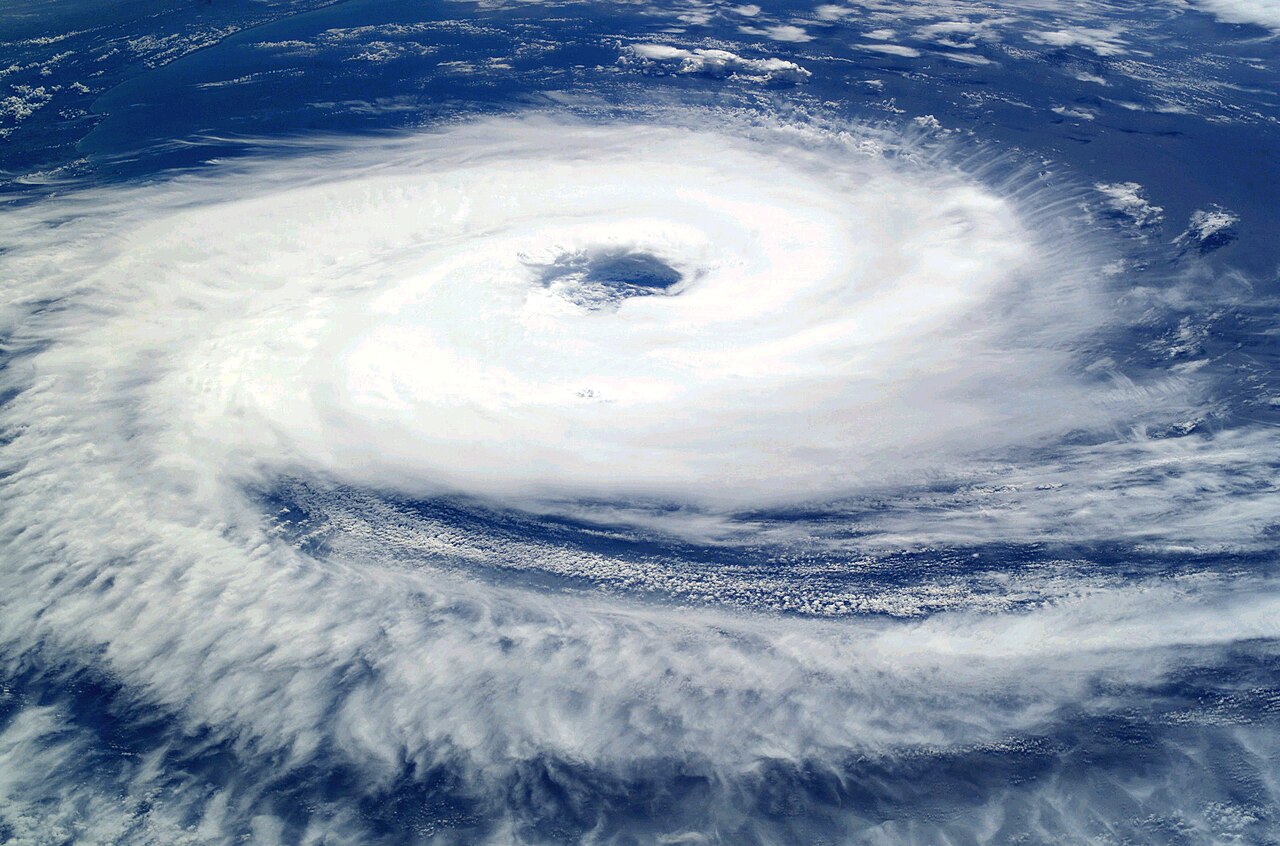

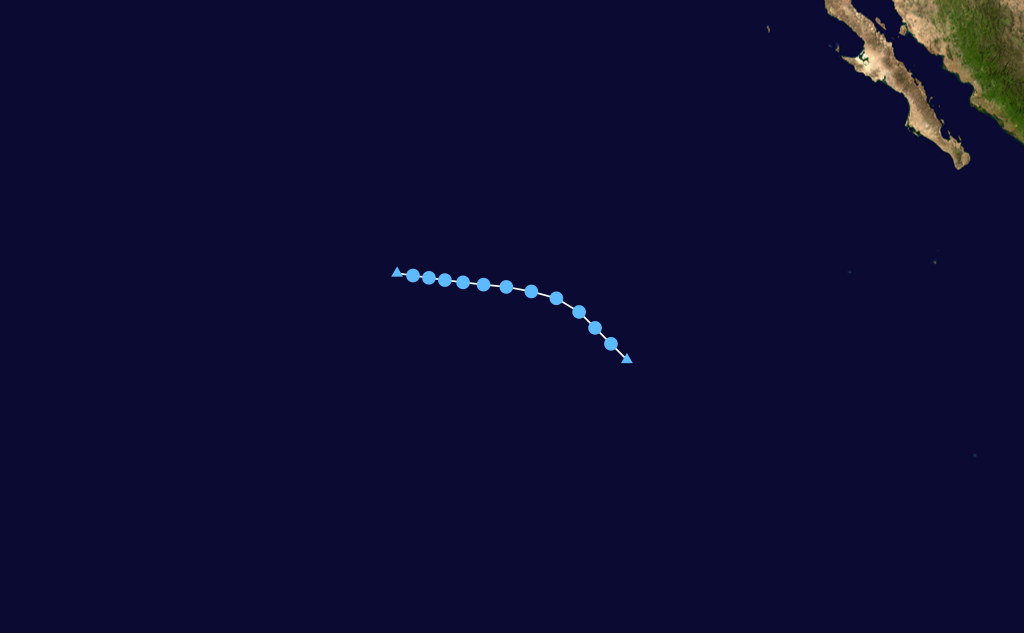


Characteristics and timeline
Eastern North Pacific activity generally runs from mid-May through November, and the central Pacific from June through November. In 1992 the region saw a high number of named storms and hurricanes, with several systems reaching major hurricane strength. Storm tracks ranged from westward-moving systems that stayed at sea to storms that recurved and impacted coastlines.
Notable storms
- Hurricane Iniki — the season's most prominent cyclone, which struck the Hawaiian Islands and caused severe damage, with economic losses measured in the billions.
- Hurricane Lester, Hurricane Virgil, Hurricane Winifred, and Hurricane Orlene — each made landfall and were responsible for fatalities and local destruction, especially along Pacific coastal areas.
- Hurricane Darby and Tropical Storm Agatha — produced heavy rainfall and flooding that affected parts of Mexico, even though they did not make direct landfall there.
- Hurricane Ekeka and Tropical Storm Hali — notable for forming unusually early in the year in the central Pacific (late January and March), illustrating off-season tropical cyclone activity.
Impacts and significance
Damage from the season varied by storm: coastal communities in Mexico and Central America experienced storm surge, flooding, and wind damage from landfalling systems, while the Hawaiian episode stood out due to both the rarity of significant hurricanes there and the scale of economic loss. The season highlighted the vulnerability of island and coastal communities and underscored the importance of preparedness, early warnings, and resilient infrastructure.
Meteorological notes and legacy
1992 demonstrated several noteworthy meteorological features: an active eastern Pacific basin with numerous intense storms, the eastern-to-central Pacific transfer of activity, and the occurrence of off-season cyclones in the central Pacific. These facts made the season a point of study for forecasters and climatologists interested in seasonal variability, long-range forecasting, and the effects of larger-scale climate patterns on tropical cyclone frequency and tracks.
Related articles
Author
AlegsaOnline.com 1992 Pacific hurricane season Leandro Alegsa
URL: https://en.alegsaonline.com/art/112241