
1992 Atlantic hurricane season
Below‑average Atlantic hurricane season in which a single catastrophic storm, Hurricane Andrew, caused almost all damage and led to major changes in building codes, insurance and disaster planning.
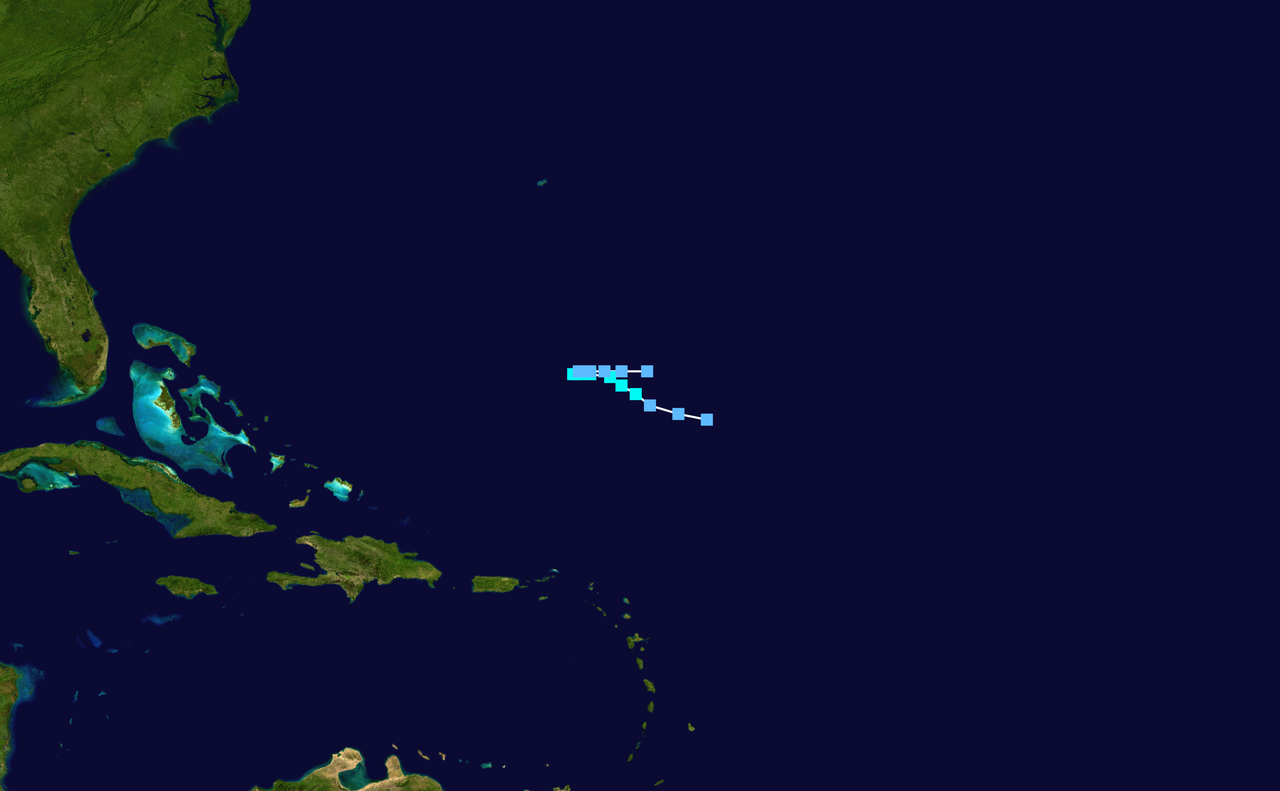
The 1992 Atlantic hurricane season officially ran from June 1 to November 30, though individual storms can and sometimes do form outside these bounds. In 1992 a subtropical system developed unusually early, forming on April 21. Overall activity across the basin was well below the long-term average, producing relatively few organized systems but yielding one catastrophic event that defined the season.
Image gallery
10 Images



Season summary
Recorded activity for the year was modest: three tropical depressions, three subtropical or tropical storms that reached at least tropical storm strength, and four storms that became hurricanes. Only one of those hurricanes intensified to major hurricane status (Category 3 or higher). Because most of the basin saw limited storm development, many coastal and island areas experienced little or no direct effects during the season.
Meteorological context
The small number of storms reflects basin-scale atmospheric and oceanic conditions that were unfavorable for widespread tropical cyclogenesis during the season. Wind shear, dry air intrusions, and other inhibiting factors limited the number of systems that could organize and intensify. Even in a season with low frequency, occasional favorable local conditions can lead to rapid intensification of an individual cyclone.
Notable storm: Hurricane Andrew
The most significant event of 1992 was Hurricane Andrew. Andrew developed into a powerful tropical cyclone and produced catastrophic damage where it made landfall in parts of the Bahamas and the United States, most notably southern Florida and later in southwestern Louisiana. Andrew reached very high intensity over warm waters and struck highly populated coastal areas with extreme winds and storm surge. Official assessments attribute nearly all of the season’s economic losses—about $26 billion in contemporary estimates—to this single storm, and the majority of the season’s fatalities are likewise associated with Andrew.
Impacts and human consequences
- Fatalities: The season recorded roughly sixty-six deaths associated with its systems, most tied to the catastrophic landfalls of Andrew.
- Economic damage: Nearly all documented losses for 1992 came from Andrew, making the season far more damaging than storm counts alone would suggest.
- Displacement and recovery: Many thousands of people were displaced in affected areas, and rebuilding took years. The storm revealed weaknesses in construction standards and insurance arrangements in the hardest-hit regions.
Legacy and response
The destruction caused by Andrew prompted sweeping changes in building codes, especially in Florida, as well as reforms in how insurers underwrite coastal risk and how governments and communities plan for and respond to major hurricanes. The storm stimulated improvements in post-storm damage assessment, emergency management practices, and public awareness about the consequences of building in vulnerable coastal zones.
Historical perspective
Although the 1992 season was low in total storm counts, its significance stems from the extreme impact of a single event. For many years Andrew remained the benchmark for U.S. hurricane damage until Hurricane Katrina in 2005 surpassed it in insured and total losses; further discussion of Katrina is available here. The 1992 season is therefore frequently cited in discussions of risk and preparedness: a single major hurricane striking a populated, vulnerable area can outweigh the implications of an otherwise quiet season.
Researchers, emergency managers, and policy makers continue to reference 1992 when emphasizing that seasonal statistics do not eliminate the need for local preparedness. The season illustrates how concentrated impacts, rather than frequency alone, determine long-term social and economic consequences.
Related articles
Author
AlegsaOnline.com 1992 Atlantic hurricane season Leandro Alegsa
URL: https://en.alegsaonline.com/art/112239