
1st millennium BC
A global survey of the 1st millennium BC: major civilizations, cultural and technological developments, chronology notes and lasting historical significance.
Overview
The 1st millennium BC covers the years from 1000 BC to 1 BC and marks a period of major political consolidation, religious innovation, and long-distance exchange across Afro-Eurasia. It is the final millennium before the modern era conventionally called the Common Era. Historians study this span to trace the formation of states, empires and ideological traditions that shaped later world history.
Image gallery
10 Images




Major regions and polities
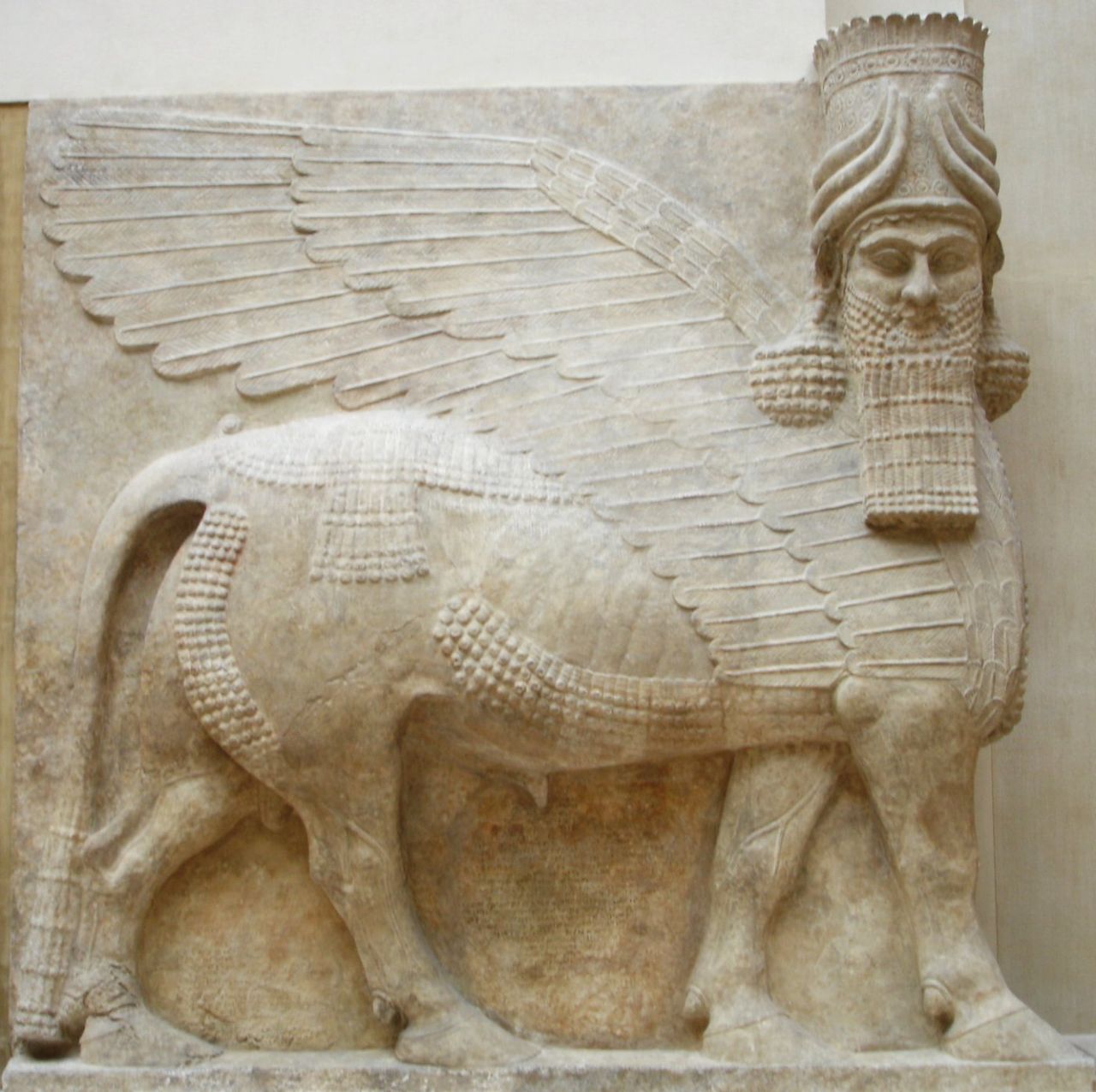
Across the Mediterranean and Near East, city-states and empires rose and fell: Neo-Assyrian and Neo-Babylonian powers, the Achaemenid Persian Empire, the growth of the Greek city-states and later Macedonian expansion, and the Roman Republic’s ascent. In South Asia, urban kingdoms and empires such as the Maurya emerged; in East Asia, the later Zhou period and the Qin state laid foundations for imperial China. Other significant societies included the Phoenicians, Carthaginians, Celtic groups, and various African and American cultures developing locally.
Culture, religion and thought
This millennium saw major religious and intellectual movements take form. Traditions commonly dated to this era include Vedic developments in South Asia, the life and teachings associated with Siddhartha Gautama (Buddhahood traditionally dated to the mid-1st millennium BC), the flowering of Confucian and Daoist thought in China, developments in Hebrew religion and law, and philosophical schools in Greece. These movements produced texts and ethical frameworks that have endured into modern times.
Technology, economy and exchange
Iron tools and weapons became widespread, improving agriculture and warfare. Coined money and standardized weights facilitated trade; maritime and overland routes connected distant markets, enabling an exchange of goods, ideas and artistic motifs. Craft specialization, urbanization and administrative innovations supported larger state structures and more complex economies.
Chronological notes and legacy
Chronological conventions for this period follow the BCE/CE system; there is no year zero in the traditional counting that moves directly from 1 BC to 1 AD/CE. The political maps of the 1st millennium BC and the institutions, literatures and religions formed then left durable legacies: legal codes, imperial models, philosophical canons and trade networks that influenced subsequent centuries.
- Key themes: state formation, religious innovation, technological diffusion.
- Important for understanding the roots of later classical and medieval civilizations.
Related articles
Author
AlegsaOnline.com 1st millennium BC Leandro Alegsa
URL: https://en.alegsaonline.com/art/112298