
1984 Republican National Convention
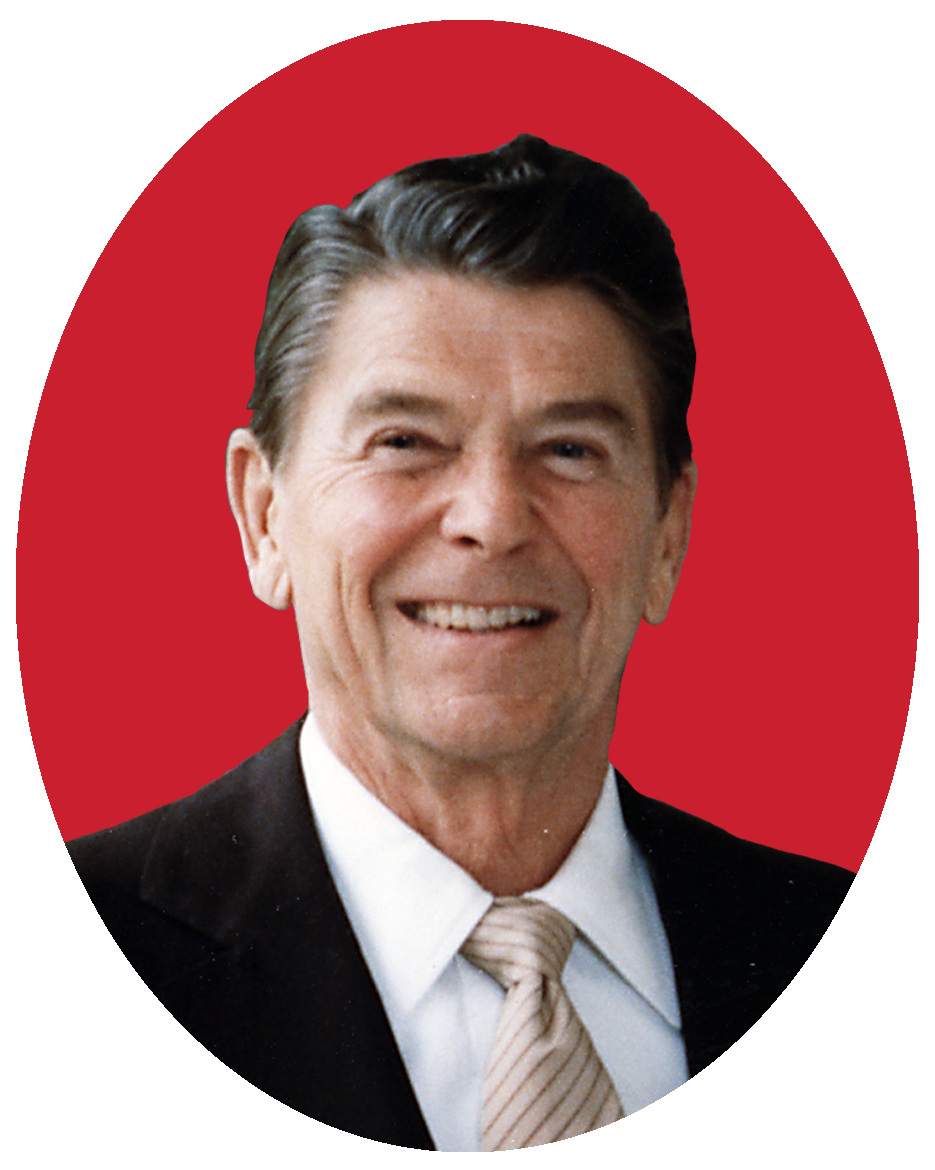
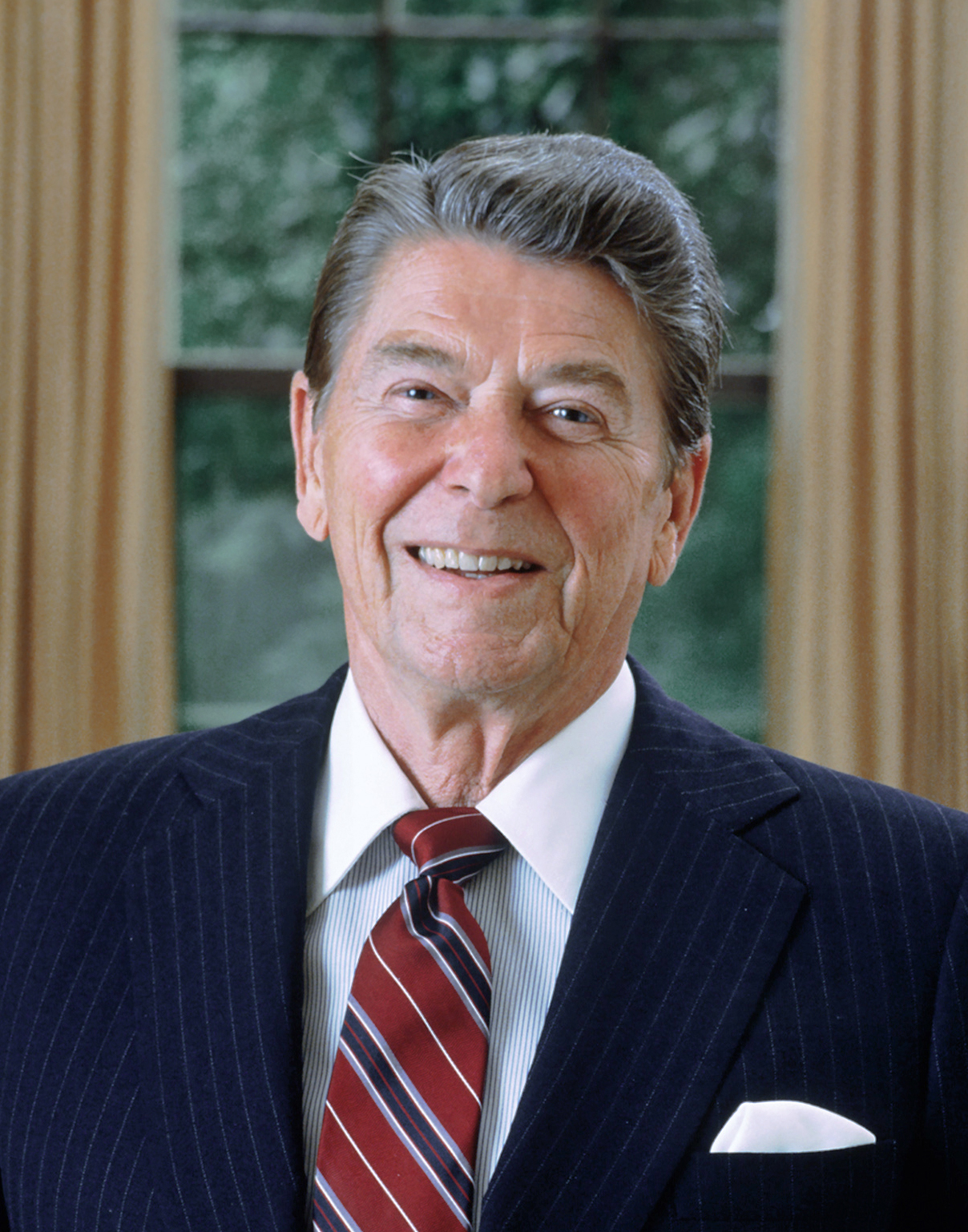
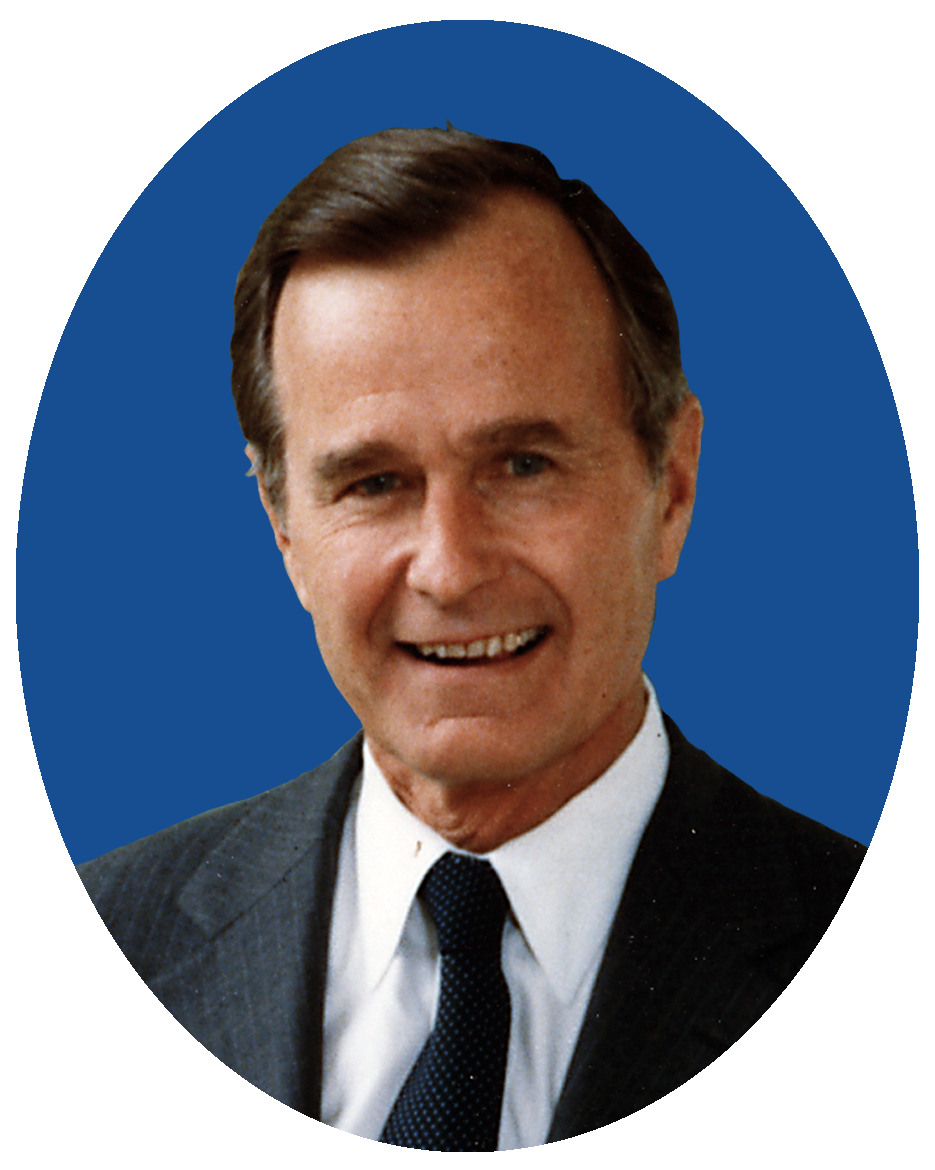
The Republican Party's 1984 national convention in Dallas nominated Ronald Reagan and George H. W. Bush for reelection and set the party platform and campaign themes for the general election.
Overview
The 1984 Republican National Convention was the formal gathering at which the Republican Party of the United States completed its nomination process for the presidential election. Held from August 20 to August 23, 1984, at the Dallas Convention Center in downtown Dallas, Texas, the convention officially renominated Ronald W. Reagan for a second term and confirmed George H. W. Bush as the vice-presidential nominee. The event combined formal business—adopting a party platform and recording delegate votes—with staged speeches and media presentations intended to unify supporters and present a message to the broader electorate.
Image gallery
5 Images

Procedures and organization
As with other national conventions, the meeting included roll call votes by state delegations, platform debates, and credentialing of delegates. Party leaders, state delegations, and standing committees handled procedural matters. The convention was planned to accommodate televised prime-time programming, allowing the campaign to showcase its themes and its leaders to a national audience. The nomination of the ticket was the convention's defining act: the formal affirmation of the incumbent President and his running mate, the Vice President.
Key themes and platform highlights
The convention emphasized themes associated with the Reagan administration—economic recovery after recession, a commitment to a strong national defense, reduction of government regulation, and conservative approaches to social policy. Delegates adopted a platform that reflected these priorities and aimed to contrast Republican policies with those proposed by their opponents in the general election. Organizers used speeches, imagery, and media to reinforce the campaign’s optimistic and patriotic messaging that had become familiar in the early 1980s.
Speakers and notable moments
- Acceptance speeches by the presidential and vice-presidential nominees served as the convention's centerpieces.
- Cabinet members, governors, and other party figures appeared in program slots designed to appeal to regional and demographic constituencies.
- The convention also offered opportunities for informal networking, strategy meetings, and press interviews that shaped the campaign's narrative in the weeks that followed.
Historical significance and legacy
Conventions in this era functioned less as surprise-filled decision points and more as orchestrated communications events. The 1984 gathering in Dallas underlined that shift: it reaffirmed an incumbent administration's program, presented a unified image to voters, and mobilized activists for the fall campaign. The re-nomination of Ronald Reagan and George H. W. Bush at this convention preceded a decisive victory in the November election, and the event is remembered as part of the broader story of 1980s American politics.
For more on the party and the political context surrounding the convention, see program records, contemporary news coverage, and compilations of the party platform. The convention remains a reference point for studies of campaigning, media strategy, and the evolving role of national political conventions in the United States.
Related links: Republican Party overview, U.S. elections, Dallas Convention Center information, Presidential nominating process, Ronald W. Reagan, Vice Presidential role, George H. W. Bush.
Related articles
Author
AlegsaOnline.com 1984 Republican National Convention Leandro Alegsa
URL: https://en.alegsaonline.com/art/112191
Sources
- millercenter.org : millercenter.org