
1985 Mexico City earthquake
A major 1985 earthquake that struck Mexico on September 19, causing widespread destruction in Mexico City, thousands of deaths, and long-term changes to building codes, emergency response and urban policy.
Overview
On September 19, 1985, a powerful earthquake struck off the Pacific coast of Mexico and produced catastrophic shaking in Mexico City. The event is commonly referred to as the 1985 Mexico City earthquake. Its moment magnitude is generally reported near 8.0–8.1. The tremor caused extensive collapse in many central city neighborhoods and left a large human toll; official and scholarly estimates of fatalities and displaced people vary, with thousands killed and many more injured or rendered homeless.
Image gallery
10 Images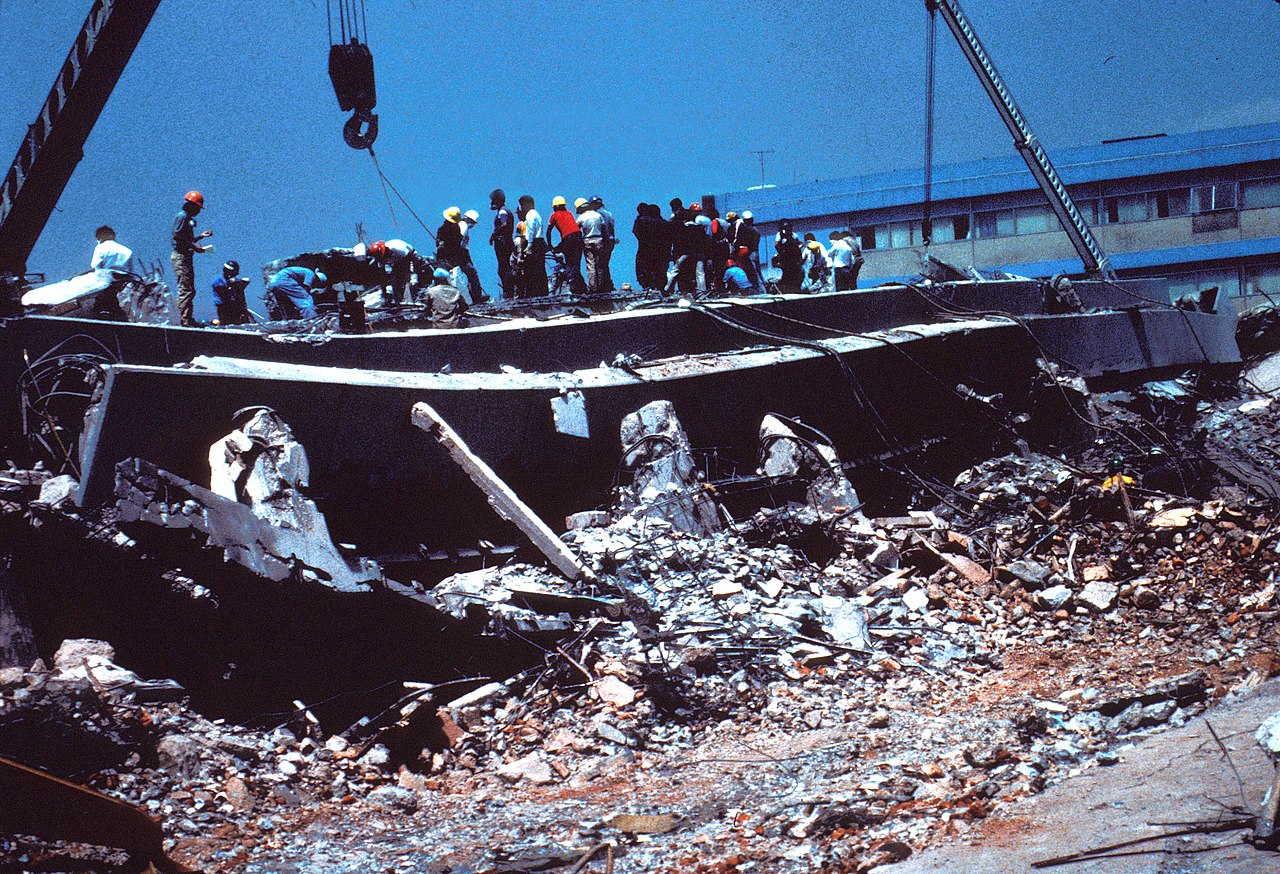





Seismological characteristics
The earthquake originated where the Cocos Plate subducts beneath the North American Plate along the Pacific coast. Strong ground motions were amplified in the basin underlying central Mexico City — an old lakebed of soft sediments that increased shaking intensity and duration. For more on the seismic setting and technical details see seismic sources and plate interaction.
Damage and human impact
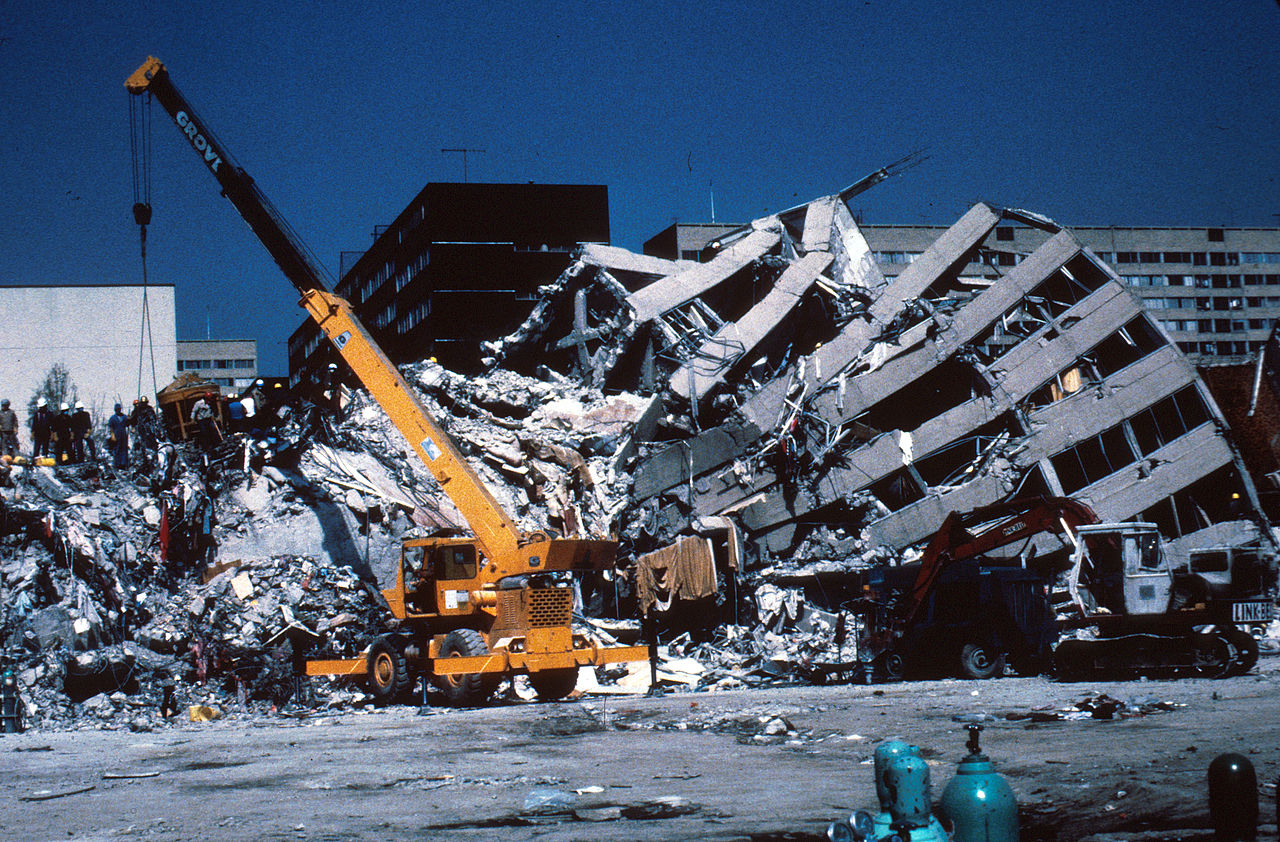
Damage was concentrated in downtown districts built on soft lacustrine soils, where tall buildings suffered severe structural failures. Hospitals, schools and apartment blocks collapsed or were badly damaged. The disaster disrupted utilities, transportation and communications, complicating rescue efforts. Casualty figures differ by source, and contemporaneous reports estimated thousands of deaths and large numbers of injured and homeless residents.
Response, recovery and reforms
Immediate rescue work combined government agencies, military units and volunteer brigades from across Mexico. The visible civic mobilization led to community organizing and new disaster-awareness initiatives. In the years after the quake, Mexico revised seismic design regulations, improved early-warning systems, and strengthened emergency planning, shaping urban policy in Mexico City and beyond. See municipal and historical accounts at Mexico City archives and reports.
Legacy and notable facts
- The quake highlighted the hazard of building on soft lakebed sediments and spurred stricter building codes.
- It also transformed public expectations about government disaster preparedness and prompted long-term urban resilience efforts.
- September 19 later gained cultural resonance in Mexico as a date associated with remembrance and drills.
Related articles
Author
AlegsaOnline.com 1985 Mexico City earthquake Leandro Alegsa
URL: https://en.alegsaonline.com/art/112200