
1918–1920 unrest in Split (Spalato)
Series of ethnic and political clashes in Split between Dalmatian Italians and South Slavs after WWI, amid competing claims over Dalmatia and the collapse of Austria-Hungary.
Overview
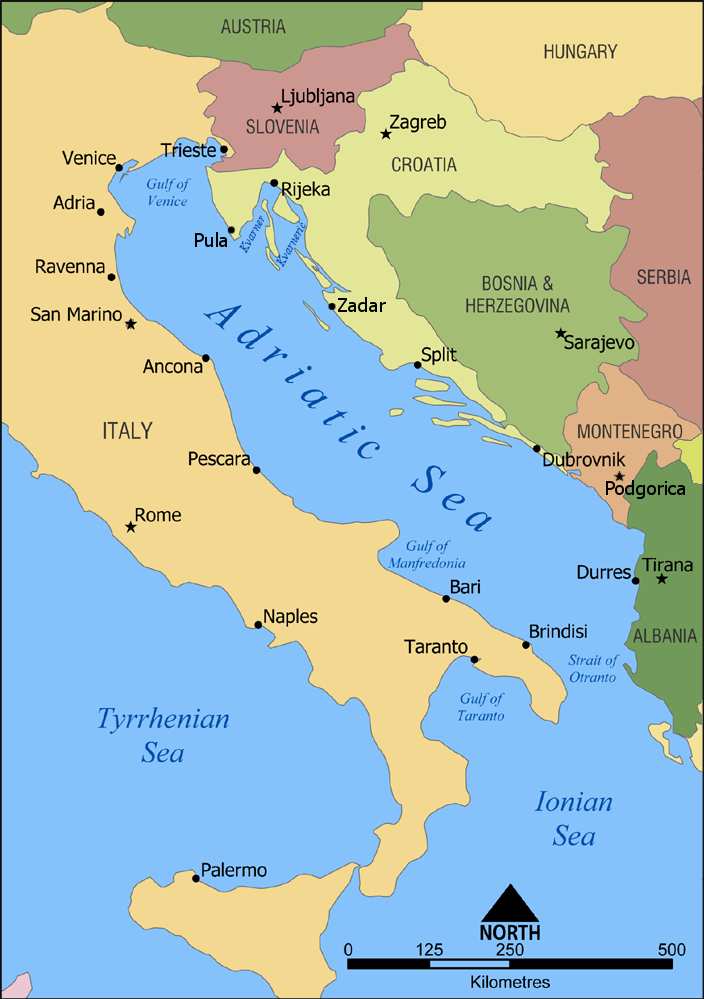
Between 1918 and 1920 the port city known in Italian as Spalato and in Croatian as Split was the scene of recurrent unrest. In the immediate aftermath of World War I the collapse of Austria-Hungary left contested authority along the eastern Adriatic coast. Local communities with different national aspirations—most prominently the Dalmatian Italians and local South Slavs—vied for control of administration, symbols and territory.
Image gallery
4 Images


Causes and context
The disturbances reflected wider postwar tensions: competing irredentist claims from Italy, emergent South Slavic political organization, and uncertainty about borders. Split had a mixed urban culture shaped by centuries of Venetian and Habsburg rule. Economic hardship, returning veterans, and nationalist activism inflamed local disputes that elsewhere became diplomatic issues at peace conferences.
Nature of the incidents
Events took the form of demonstrations, strikes, street fights and occasional seizures of municipal offices. Public ceremonies, language on signs and the question of which flag flew over public buildings became flashpoints. Clashes sometimes turned violent, producing injuries and deepening mistrust between communities. Contemporary press accounts and municipal records emphasised both political grievances and social disorder.
Aftermath and significance
Ultimately Split became part of the Kingdom of Serbs, Croats and Slovenes (later Yugoslavia), while some nearby coastal towns and islands were assigned to Italy in later agreements. The 1918–1920 unrest illustrates how the end of empires produced local confrontations that mirrored international negotiations; it shaped intercommunal relations in Dalmatia for decades.
Notable points
- These incidents were part of a broader set of Adriatic disputes after WWI.
- They involved civilians, local politicians and returned soldiers rather than regular foreign armies.
- Documentation and interpretation vary; historians treat the period cautiously due to politically charged sources.
For further reading on the regional negotiations and local reactions see general works on post‑WWI Adriatic politics and national movements (Split, Dalmatian Italians, South Slavs).
Related articles
Author
AlegsaOnline.com 1918–1920 unrest in Split (Spalato) Leandro Alegsa
URL: https://en.alegsaonline.com/art/111920