
1904 Summer Olympics (Games of the III Olympiad)
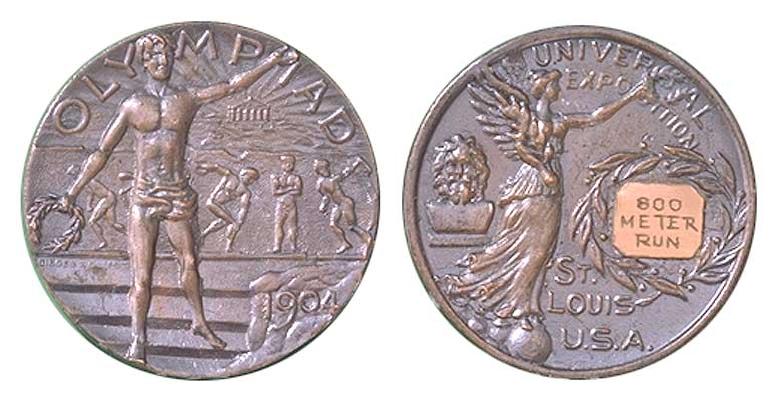
The 1904 Olympic Games in St. Louis were the third modern Olympiad, staged with the Louisiana Purchase Exposition. The event was marked by poor organization, low international turnout and several notable controversies.
Overview
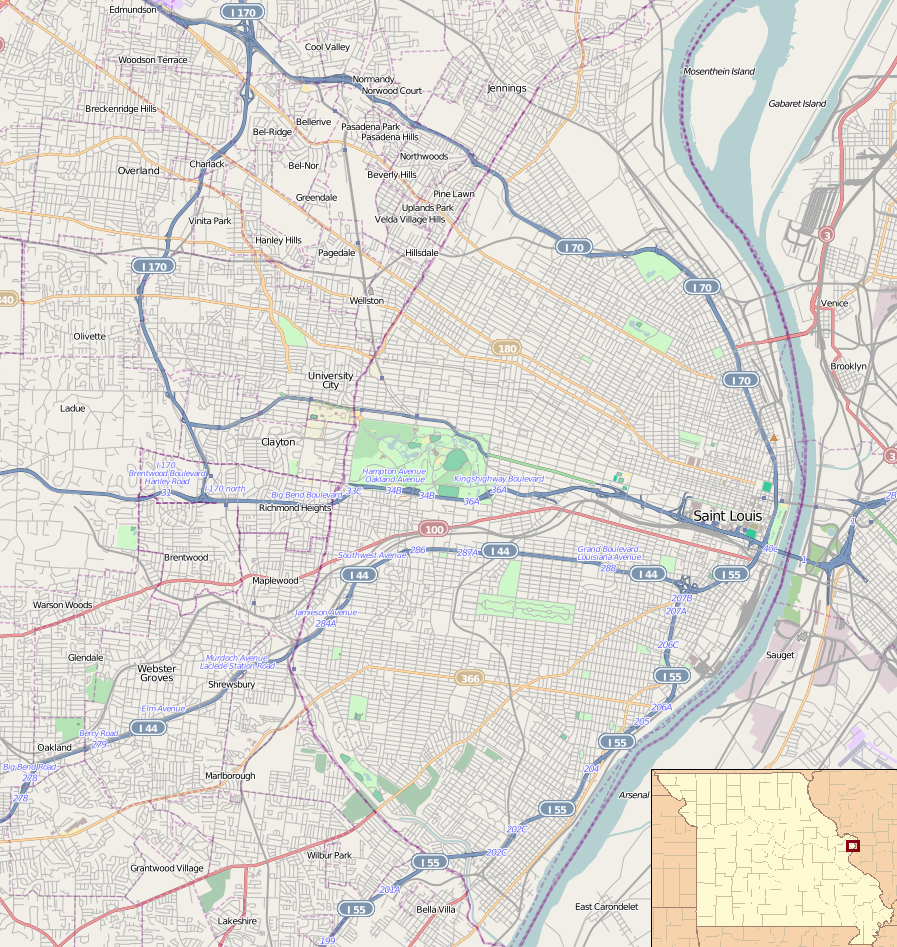
The 1904 Summer Olympics, officially the Games of the III Olympiad, were held in St. Louis, Missouri, in conjunction with the Louisiana Purchase Exposition. The fair and the Games were interwoven so closely that many athletic contests were presented as part of the exposition rather than as a distinct international festival. Because of the overlap and the logistical challenges of the era, the St. Louis programme stretched across many months and was widely seen as inadequately coordinated.
Image gallery
10 Images


Organization and participants
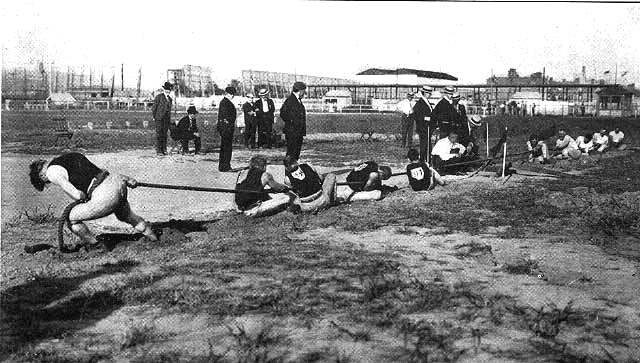
Organizers faced multiple obstacles: long transoceanic travel, expense for foreign delegations and the decision to fold the Olympics into the World's Fair. As a result, participation from outside North America was limited and many competitions featured predominantly American athletes. The scattered schedule and the fair's priorities created confusion about which events were strictly Olympic and which were exhibition contests.
Competitions and controversies
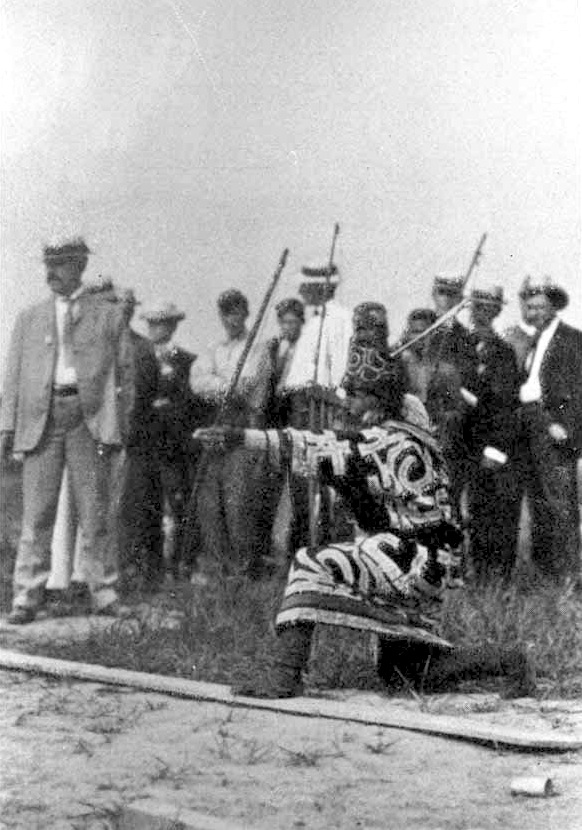
Several incidents from the 1904 programme became well remembered. The marathon attracted headlines for extreme heat, poor course conditions and controversial finishes. There were also disputes over amateur status, contested results and irregular judging in some sports. The organisation staged separate attractions at the fair, most infamously the so-called "Anthropology Days," in which Indigenous and colonized peoples were made to take part in arranged athletic contests — an episode now regarded as racist and demeaning.
Format and innovations
Despite the problems, the St. Louis Games contributed to the modern Olympic movement in a few ways. They were among the first Olympiads to award first-, second- and third-place prizes in the sequence that later became standardized. The range of sports and events tested the boundaries of what the Olympics might include, prompting later clarification of which contests would be considered official Olympic events.
Legacy and significance
The 1904 Games exposed the need for clearer international coordination, separate organizing committees and a compact schedule devoted solely to athletics. Lessons learned at St. Louis influenced subsequent hosts and the International Olympic Committee's approach to defining and protecting the integrity of the Olympic programme. Historical assessments of the 1904 Olympics balance the achievement of holding a large multi-sport festival in the United States with the Games' organizational shortcomings and troubling cultural aspects.
Further reading
For contemporary accounts and archival material related to the St. Louis Olympiad and the Louisiana Purchase Exposition see primary reports and collections. These sources provide original documents, schedules and commentary illuminating how the Olympics and the World's Fair were intertwined.
- Key points: integrated with World's Fair; limited international attendance; marathon and judging controversies.
- Notable issues: extended schedule, ambiguous event status, and racially charged exhibitions at the fair.
Questions and answers
Q: Where were the 1904 Summer Olympics held?
A: The 1904 Summer Olympics were held in St. Louis, Missouri, United States.
Q: What is the official name of the 1904 Summer Olympics?
A: The official name of the 1904 Summer Olympics is the Games of the III Olympiad.
Q: What was the 1904 Summer Olympics a part of?
A: The 1904 Summer Olympics were a part of the Louisiana Purchase Exposition (St. Louis World's Fair).
Q: Were the sports events well planned at the 1904 Summer Olympics?
A: No, the sports events were not well planned at the 1904 Summer Olympics.
Q: Were the 1904 Summer Olympics considered a success?
A: No, the games were not thought to be a success.
Q: What was the reason for the lack of success at the 1904 Summer Olympics?
A: The sports events were not well planned, which contributed to the lack of success at the 1904 Summer Olympics.
Q: What year did the 1904 Summer Olympics take place?
A: The 1904 Summer Olympics took place in 1904.
Related articles
Author
AlegsaOnline.com 1904 Summer Olympics (Games of the III Olympiad) Leandro Alegsa
URL: https://en.alegsaonline.com/art/111892
Sources
- aafla.org : The Olympic Games 1904.
- la84foundation.org : Spalding's Athletic Almanac for 1905.