
1906 (year)
Events, context and significance of the year 1906, a common year of the Gregorian calendar notable for the San Francisco earthquake, consumer-protection laws, diplomatic conferences and technological milestones.
Overview
1906 (MCMVI) was a common year beginning on Monday in the Gregorian calendar. It is often remembered for a combination of natural disasters, political diplomacy and reforms that shaped early 20th-century public policy. The year sits in the Edwardian and Progressive eras in many Western countries and reflects continuing industrialization, urban growth and international tensions that persisted after the turn of the century. For calendar reference see the year type: common year starting on Monday and general calendar context: Gregorian calendar.
Image gallery
10 Images




Major events
- San Francisco earthquake and fire (April): One of the most destructive earthquakes in United States history struck San Francisco, destroying large parts of the city and causing thousands of deaths and widespread homelessness. The disaster prompted major rebuilding efforts and changes in urban planning and emergency response.
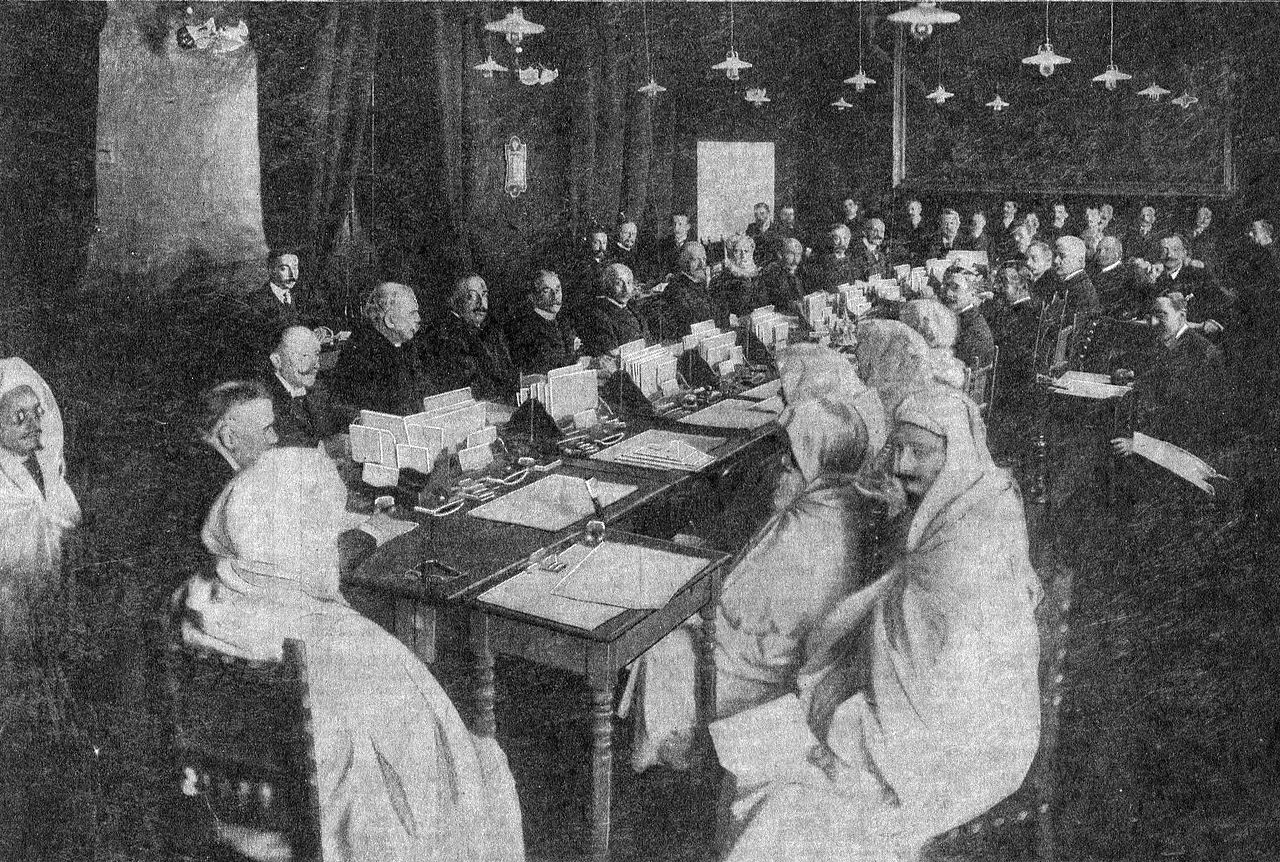
- Algeciras Conference: European powers met to address the First Moroccan Crisis and issues of influence in North Africa, reflecting the diplomatic rivalries of the period and attempts at crisis management before World War I.
- Public health and consumer protection reforms: In the United States, landmark legislation aimed at regulating food and drugs and improving consumer safety was debated and enacted, part of broader Progressive-era reforms.
- Automobile racing and transport: The first organized Grand Prix-style automobile race took place, marking an early stage in motor sport's rise alongside rapidly expanding road transport technologies.
Science, technology and culture
1906 saw developments in wireless communication and radio experimentation that presaged modern broadcasting. Inventors and experimenters were refining vacuum-tube technology and experimenting with voice transmission over the air, while industry and science continued the transition from artisanal to industrial methods. Cultural life in 1906 reflected changing urban tastes, with new mass media, popular entertainments and accelerating literary and artistic movements that would blossom in the following decades.
Legacy and significance
The consequences of events in 1906 had long reach. The San Francisco disaster influenced building codes, fire safety and urban insurance practices. Consumer-protection legislation laid foundations for later regulatory agencies and standards for food and medicines. Diplomatic negotiations such as the Algeciras meeting illustrated both the capacity for multilateral dispute resolution and the limits of prewar diplomacy. Technological experiments in radio and automotive engineering foreshadowed major social and economic shifts.
Notable facts and distinctions
- Roman numeral notation for the year is MCMVI.
- The year belongs to a period marked by social reform movements, colonial rivalries and accelerating technological change.
- Historical records from 1906 are frequently consulted for studies of urban disaster response, early 20th-century diplomacy and the evolution of consumer law.
While no single narrative can encompass every event of 1906, that year is often cited by historians as emblematic of a transitional moment: societies coping with the consequences of industrial modernity while navigating political tensions that would intensify in subsequent years.
Related articles
Author
AlegsaOnline.com 1906 (year) Leandro Alegsa
URL: https://en.alegsaonline.com/art/111894