
1906 Intercalated Games (1906 Summer Olympics, Athens)
The 1906 Intercalated Games in Athens were an international multi-sport event held between the 1904 and 1908 Olympics. They restored public interest in the modern Olympics but are not officially recognized by the IOC.
Overview
The 1906 Games, commonly called the Intercalated Games or the 1906 Summer Olympics, took place in Athens in Greece. Organized after the poorly received 1900 and 1904 Olympics, they were intended as intermediate international competitions staged in Greece every four years between the main Olympiads. The event attracted athletes from multiple countries and presented a more coherent schedule and presentation than some earlier early-20th-century editions.
Image gallery
10 Images



Organization and innovations
Local organizers, working with international sporting bodies, introduced several features that became standard at later Games. Contemporary reports credit the 1906 organisation with improving athlete accommodations, scheduling, and public ceremonies. The event helped to professionalize the conduct of international sport and to reestablish public confidence in the Olympic movement after uneven arrangements in preceding years.
Events, venues and participants
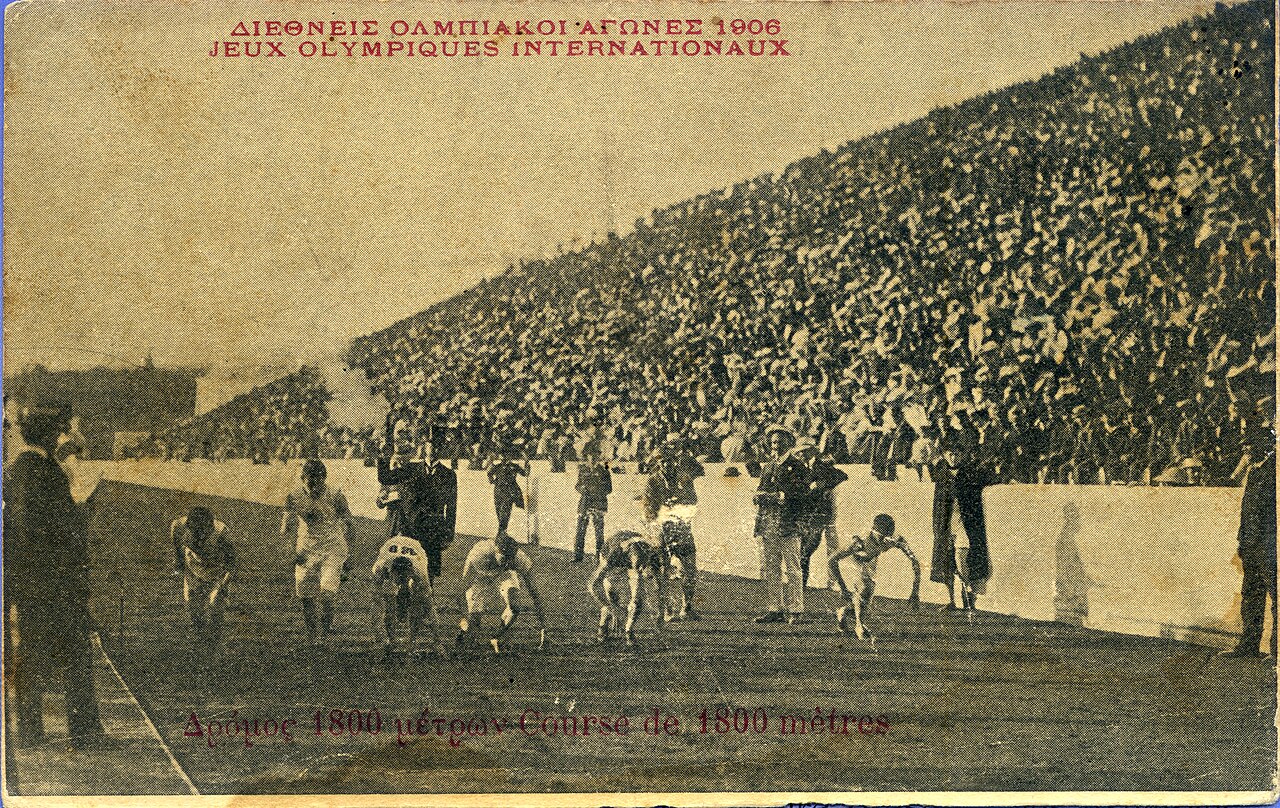
Competitions covered many of the sports familiar from early Olympics and were staged in traditional Athenian venues, including the reconditioned Panathenaic Stadium. Competitors represented a range of nations from Europe and beyond. While exact participant counts vary by source, the scale and international character of the contest were notable compared with the two previous editions.
Medals and official recognition
Athletes received medals and awards at the 1906 Games, but the prizes and results from these competitions are not included in the official series of Olympiads maintained by the International Olympic Committee (IOC). Over time the IOC decided not to recognize the 1906 event as an official Olympiad; nevertheless, sports historians frequently discuss its competitions alongside other early Olympic editions.
Legacy and significance
Although the plan to hold recurring Intercalated Games in Athens did not continue, the 1906 edition had lasting influence. It demonstrated that a well-organized, centrally hosted event could attract international attention and helped shape ceremonial and logistical practices used at subsequent Olympics. The Games are often cited as a turning point that helped stabilize and popularize the modern Olympic movement.
Notable facts and distinctions
- The "Intercalated" label reflects the idea of placing these Games between ordinary Olympiads rather than replacing them.
- Medals and results exist for the 1906 competitions, but they occupy a special, unofficial status in official Olympic records.
- Historians and enthusiasts still study the 1906 Games for insights into early 20th-century sport organization and international competition.
Related articles
Author
AlegsaOnline.com 1906 Intercalated Games (1906 Summer Olympics, Athens) Leandro Alegsa
URL: https://en.alegsaonline.com/art/111896
Sources
- sports-reference.com : "1906 Athina Summer Games"