
1900 Summer Olympics (Games of the II Olympiad)
International multi-sport event held in Paris in 1900 as part of the Exposition Universelle; notable for poor organization, the first female competitors, and a confused program later partly retroactively classified.
The 1900 Summer Olympics, officially the Games of the II Olympiad, were held in Paris as part of the 1900 Exposition Universelle. Organized alongside the world fair, the sporting competitions stretched over several months rather than taking place within a compact schedule. The close association with the exposition and a lack of central planning produced an unusually diffuse and chaotic program.
Image gallery
10 Images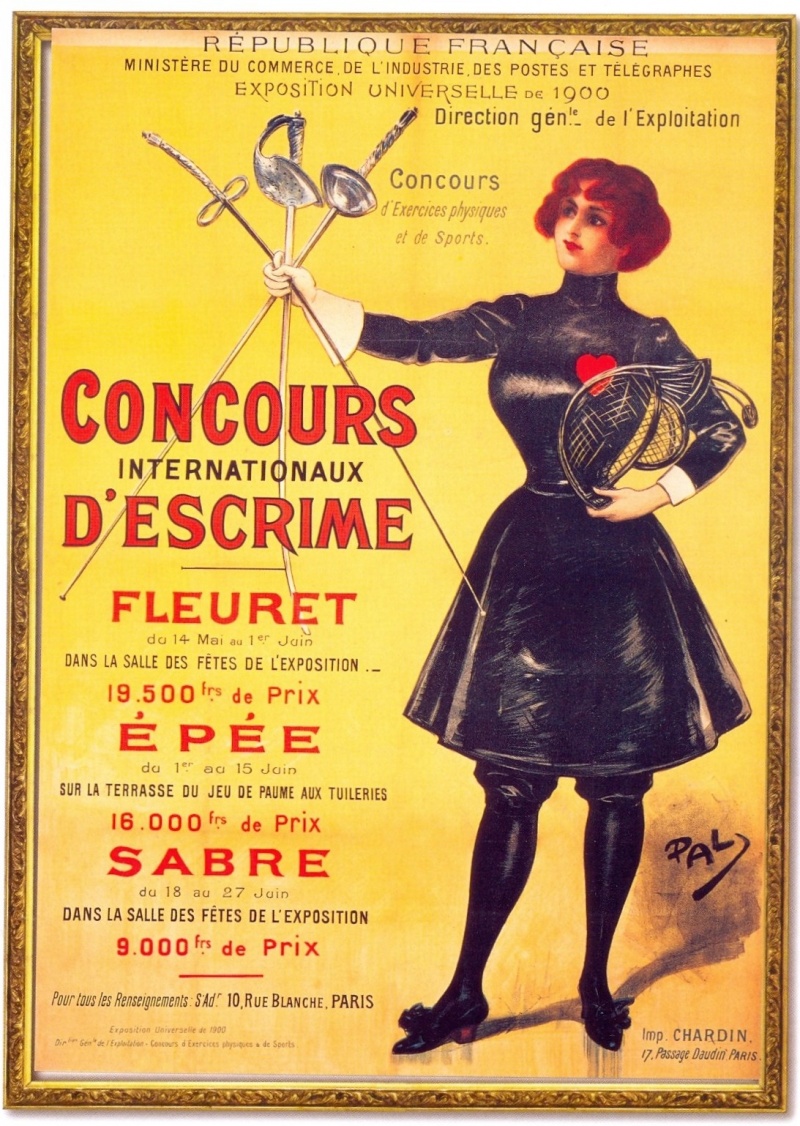




Overview and program
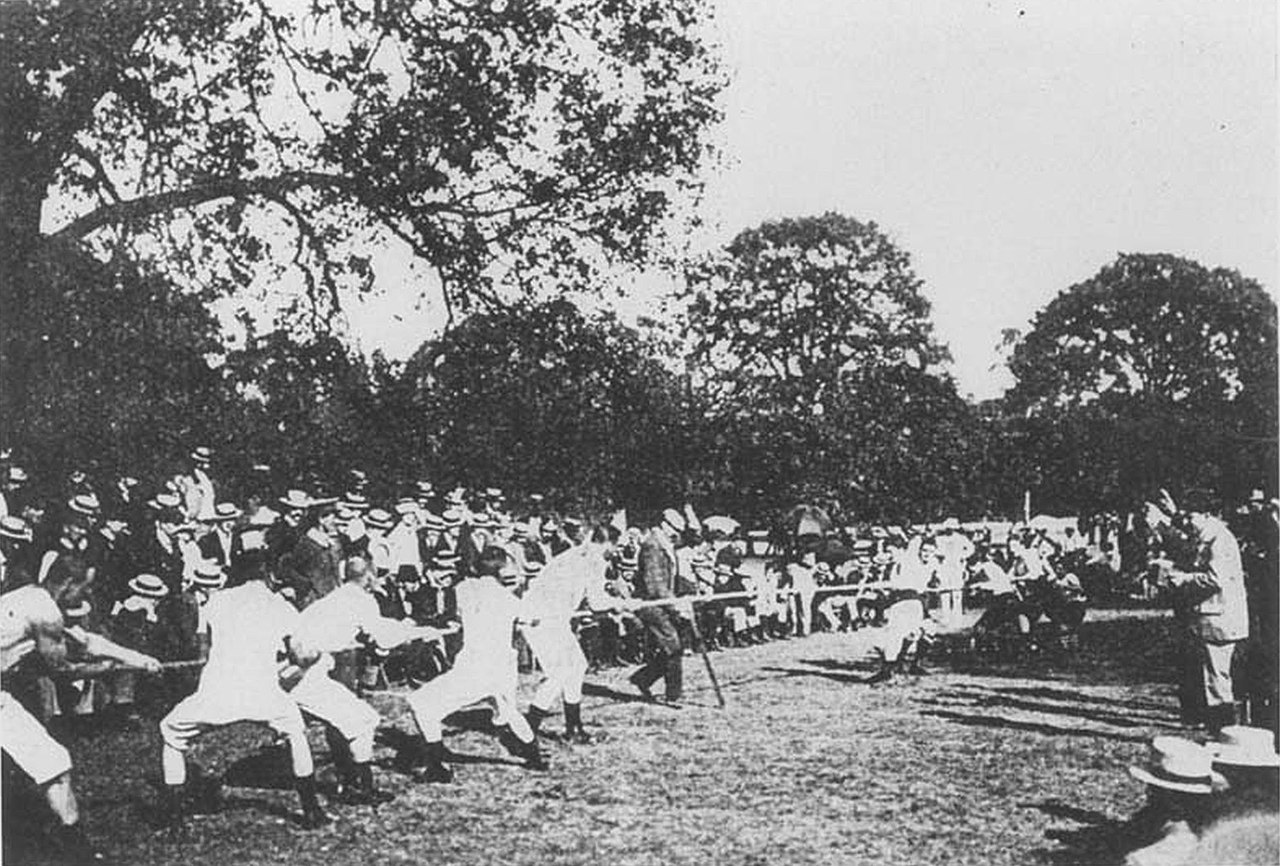
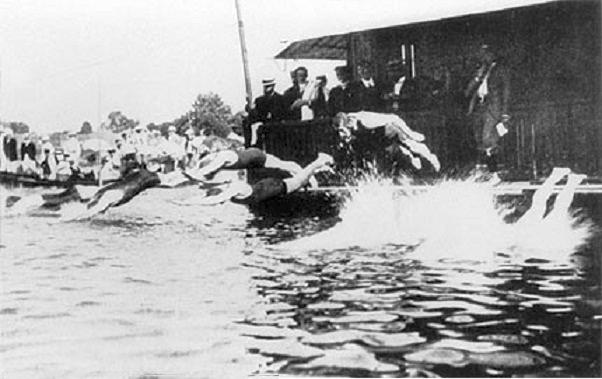
Events took place across city and regional venues and included a wide range of contests drawn from popular and exhibition sports of the time. Track and field, swimming, gymnastics, fencing and cycling were among the familiar contests, while other competitions—such as croquet and cricket—reflected the eclectic tastes of the period. Because many contests were framed as fair attractions, some competitors did not realize they were taking part in an Olympic Games.
Organization and controversies
There was no formal opening ceremony and no unified Olympic village. Winners were often awarded cups, trophies or expensive objets rather than the gold, silver and bronze medals that later became standard. The International Olympic Committee (IOC) has since examined the program and in some cases retroactively designated which events it recognizes as Olympic. The loose organization and overlap with exposition events left the 1900 Games widely regarded as poorly managed.
Historical significance
The Paris program was notable for including female competitors for the first time in Olympic history. Women took part in sports such as tennis, golf and croquet; one of the best-known early female champions is Charlotte Cooper of Great Britain, who won the tennis singles title and is commonly cited as the first individual female Olympic champion. The Games also produced mixed-nationality teams and several single-appearance events that would later be dropped from the Olympic program.
Legacy and notable facts
- The Games were embedded in the 1900 Exposition Universelle and often overshadowed by the fair’s attractions.
- Some sports contested in 1900, like cricket and croquet, had only brief or unique Olympic appearances.
- The official status of several events was unclear for decades; the IOC has retroactively clarified many results.
- Host nation: France, with Paris serving as the central organizing location.
Although the 1900 Summer Olympics are remembered for their organizational shortcomings, they contributed important firsts and experimental ideas to the developing Olympic movement. Lessons learned from the Paris experience influenced how later Games were planned, standardized and presented to an international audience.
Related articles
Author
AlegsaOnline.com 1900 Summer Olympics (Games of the II Olympiad) Leandro Alegsa
URL: https://en.alegsaonline.com/art/111886
Sources
- sports-reference.com : "1900 Paris Summer Games"
- aafla.org : "A Look at Olympic Costs,"