
The 1810s: A decade of war, independence and cultural change
A transitional decade (1810–1819) marked by the end of Napoleonic Europe, the War of 1812, Latin American independence movements, early industrialization, transport innovations and Romantic-era culture.
Overview
The 1810s covers the years 1810 through 1819. It was a transitional decade in which the long wars of the Napoleonic era came to a close, new states began to emerge across the Americas, and industrial and cultural trends accelerated. Political settlements and military outcomes reshaped borders, diplomacy and the balance of power in Europe and beyond.
Image gallery
10 Images





Politics and conflict
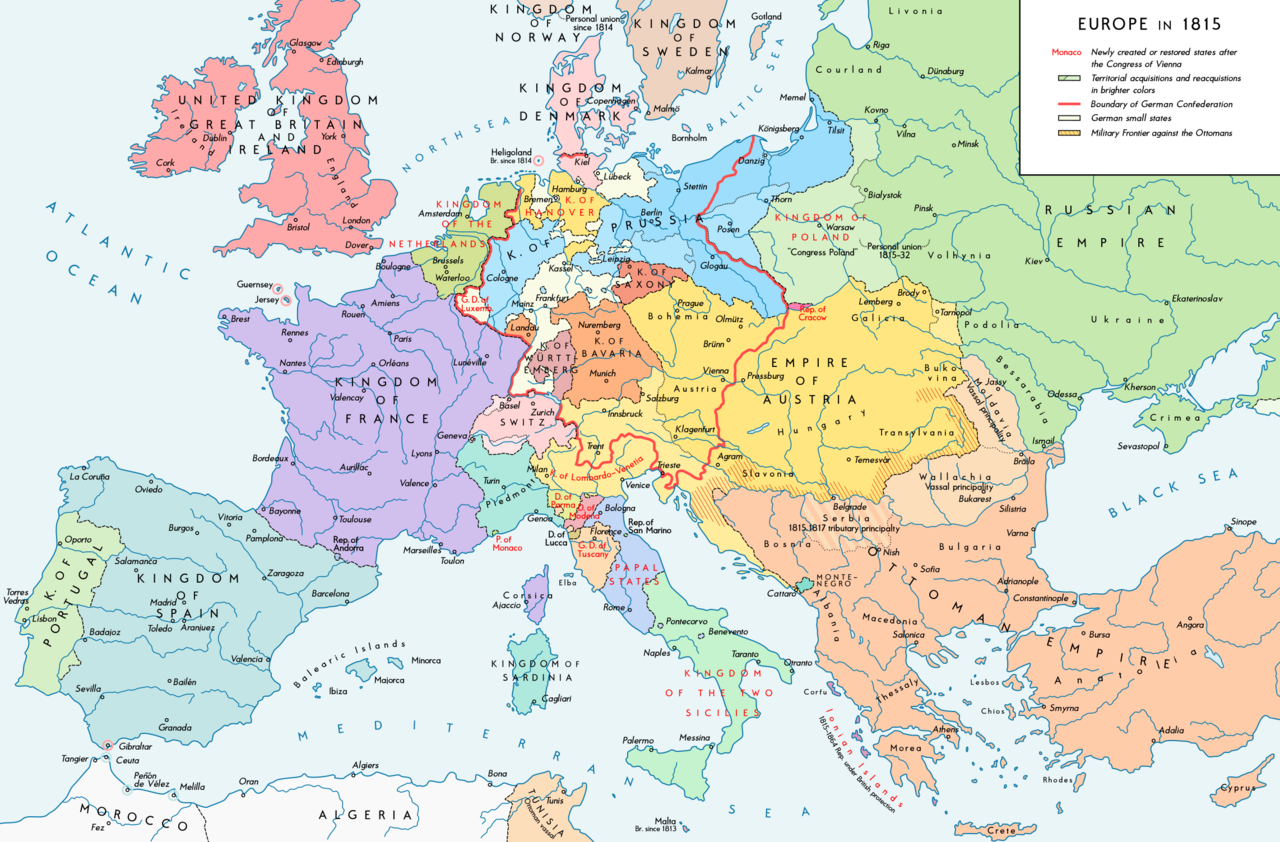
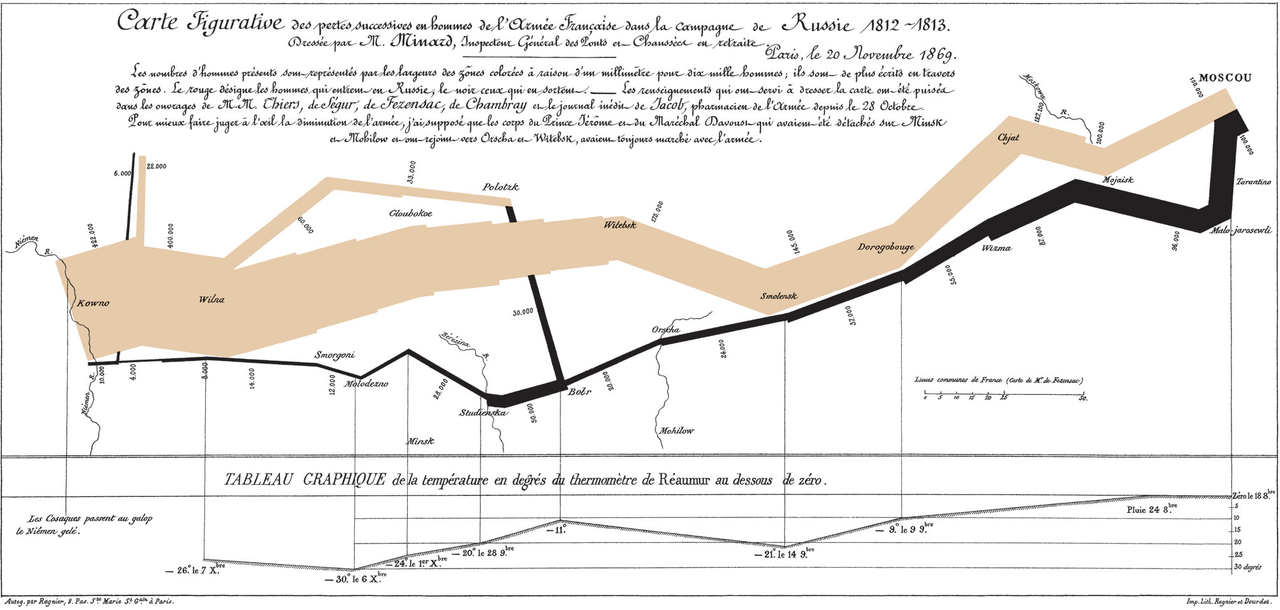
Europe was dominated early in the decade by the wars connected to Napoleon Bonaparte. Allied campaigns culminated in Napoleon's downfall and the 1814–1815 settlements that sought to restore stability. The brief return of Napoleon in the event often called the "Hundred Days" ended with the decisive defeat at Waterloo and led to the diplomatic Congress that attempted a conservative reordering of the continent. Across the Atlantic, the United States fought the War of 1812 against Britain, a conflict with effects on trade, maritime practice and national identity.
Independence movements and state formation
The decade witnessed major uprisings and independence movements in Spanish America. Leaders such as Simón Bolívar and José de San Martín rose to prominence as colonial rule was challenged across northern and southern South America. These conflicts were part of longer processes that continued into subsequent decades and produced new republics.
Economy, technology and infrastructure
Industrialization advanced unevenly. Steam power, mechanized textile production and improved ironworking strengthened manufacturing, while investments in canals and river navigation expanded inland transport. The late 1810s saw major canal projects begin in North America, and experiments with steam navigation and early rail technology foreshadowed faster links between regions. Financial instability appeared in episodes of credit contraction and market distress that revealed the growing interconnectedness of modern economies.
Society and social change
Urbanization and factory work altered social patterns, creating new labor questions and prompting protests against mechanization in some industrial regions. Political and social reform movements, as well as conservative reactions, were part of public life in many countries. The decade also included changes in empire administration and migration that affected population distributions.
Culture, science and ideas
Romanticism influenced literature, music and the visual arts, emphasizing emotion, national feeling and individual imagination. Prominent writers and composers active in or associated with the period contributed works still read and performed today. Scientific inquiry and practical engineering advanced steadily, even if some hallmark discoveries of later nineteenth-century science occurred afterward.
Legacy
The 1810s bridged the revolutionary age and the longer nineteenth century. Diplomatic settlements of 1814–1815 shaped European politics for decades, while independence movements in the Americas reconfigured global relations. Technological and infrastructural developments began to transform production, transport and everyday life, making the decade a pivotal moment of political, cultural and economic transition.
Notable themes
- End of Napoleonic dominance and European diplomatic settlement.
- Latin American independence campaigns and new republican projects.
- War of 1812 and its impact on North American affairs.
- Early spread of steam power, canal building and transport innovations.
- Romantic cultural currents and social changes linked to industrialization.
Questions and answers
Q: In what years did the 1810s decade take place?
A: The 1810s decade took place between the years 1810 and 1819.
Q: What is the significance of the 1810s?
A: The 1810s is a decade that has significance in history as it marked a period of time between the French Revolution and the Industrial Revolution.
Q: What happened at the beginning of the 1810s?
A: The 1810s began on January 1st, 1810, and was marked by Napoleon's successful conquest of most of Europe.
Q: When did the 1810s decade end?
A: The 1810s decade ended on December 31st, 1819, after a decade of significant historical and cultural events.
Q: What major historical events took place during the 1810s decade?
A: Events that took place during the 1810s decade include the War of 1812 between the United States and Great Britain, the fall of Napoleon Bonaparte, and the beginning of the Industrial Revolution.
Q: How did the 1810s decade shape the future?
A: The 1810s decade shaped the future by setting the stage for the Industrial Revolution, advancing technology, and laying the foundation for the modern political landscape in Europe.
Q: Why is the 1810s decade important to study?
A: The 1810s decade is important to study because it was a time of great change and development in many areas of the world, with significant historical events that continue to impact and shape the world today.
Related articles
Author
AlegsaOnline.com The 1810s: A decade of war, independence and cultural change Leandro Alegsa
URL: https://en.alegsaonline.com/art/111760