
1802
Overview of the year 1802: a brief European peace under the Treaty of Amiens, Napoleonic reforms (Legion of Honour), colonial reversals in the Caribbean, scientific discoveries, and notable births such as Victor Hugo.
The year 1802 was marked by a fragile interlude in the wars of revolutionary Europe, important administrative reforms under Napoléon Bonaparte, and continuing upheaval in colonial territories. While hostilities between Britain and France paused, events in the Atlantic and the scientific world signalled fast-paced change. Political decisions made in 1802 shaped the coming years across Europe, the Americas and Africa.
Image gallery
9 Images




Major events
- Treaty of Amiens: Negotiated in early 1802, it brought a temporary peace between Britain and France and halted large-scale continental warfare for about a year, allowing Europe a brief respite from the Revolutionary Wars.
- Napoleonic reforms: The French Consulate continued to reorganize state institutions. One visible symbol of Bonaparte's new order was the creation of the Legion of Honour, intended to reward service to the state regardless of birth.
- French colonial policy and Haiti: Napoleon moved to reassert metropolitan control over former colonies. In 1802 his government reversed previous abolitionist measures, and a military expedition to Saint-Domingue (Haiti) led to the arrest and deportation of Toussaint Louverture and a violent intensification of the Haitian struggle for independence.
- Military and education: In the United States, the federal government restructured officer training and formally established the United States Military Academy at West Point as a national institution for military education.
- Astronomy and science: Astronomer Heinrich Olbers discovered the asteroid Pallas in 1802, following the discovery of Ceres the previous year. Scientific exploration and classification advanced rapidly during this period.
Culture, discoveries and institutions
Cultural and scientific life in 1802 reflected both Enlightenment legacies and Romantic stirrings. The Rosetta Stone and other Egyptian finds captured European interest and advanced ancient-language studies. Poets and writers in Britain and France were active: William Wordsworth penned notable sonnets during this period, and in France the birth of future literary figures was reshaping the cultural horizon.
Notable births
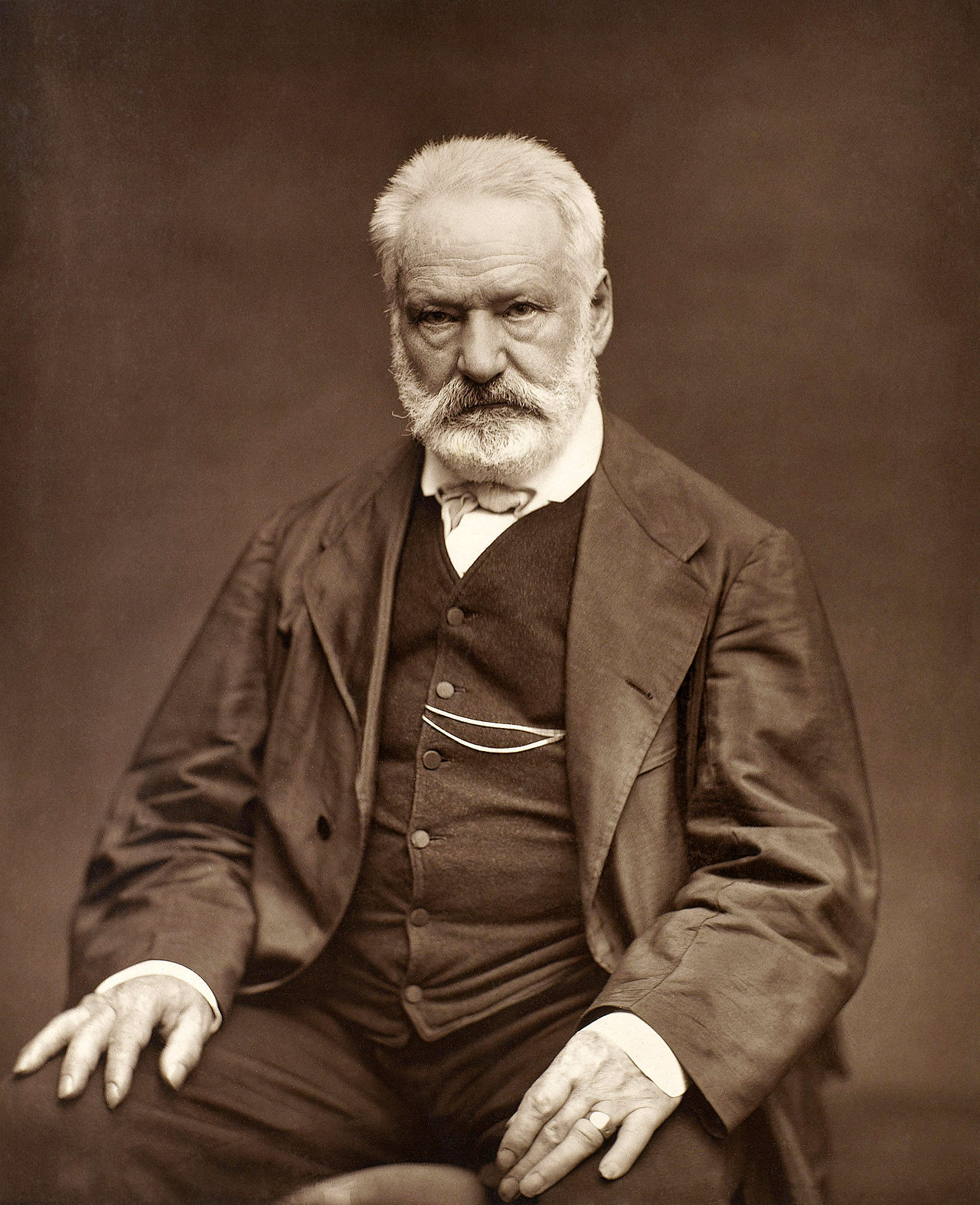
- Victor Hugo (born 26 February 1802) — French poet, novelist and dramatist who would become a leading figure of 19th‑century literature.
- Harriet Martineau (born 12 June 1802) — English social theorist, writer and early sociologist who later wrote on political economy and social reform.
Although 1802 offered a brief pause in large-scale European conflict, many of the diplomatic and colonial choices made that year—reinstituting hierarchical honors, reasserting imperial control, and redoubling scientific inquiry—helped set the agenda for the turbulent years that followed. The fragile peace collapsed as strategic tensions resumed, making 1802 an important transitional moment at the start of the Napoleonic era.
Questions and answers
Q: What happened in the year 1802?
A: The text provides no information on events that occurred in 1802, so I cannot provide an answer.
Q: Does the text provide any context or additional information other than the year 1802?
A: No, the text only provides the year 1802 and no additional information.
Q: What is the significance of the year 1802 in history?
A: Without more information, it is impossible to determine if the year 1802 has particular significance in history.
Q: Can you speculate on what might have happened in 1802 based on historical events that took place around that time period?
A: While there were significant historical events that took place around 1802, without additional information it is difficult to speculate on what may have specifically occurred in that particular year.
Q: Are there any notable figures or individuals associated with the year 1802?
A: The text provides no information on notable figures or individuals associated with the year 1802.
Q: Is there a particular field, such as science or politics, in which significant advancements or changes may have taken place in 1802?
A: I cannot provide an answer as the text provides no information on any advancements or changes in any field that may have occurred in 1802.
Q: Are there any other sources or texts that could provide more information about the year 1802?
A: It is possible that additional sources or texts could provide more information about the year 1802, but the text being used for this exercise does not appear to be one of them.
Related articles
Author
AlegsaOnline.com 1802 Leandro Alegsa
URL: https://en.alegsaonline.com/art/111751