
1804
Overview of the year 1804: major political events, cultural and scientific context, and notable developments such as Napoleon’s coronation, Haitian independence, Lewis and Clark, and the Burr–Hamilton duel.
Overview
The year 1804 was marked by dramatic political change, expanding exploration, and continued industrial transformation. It sits early in the 19th century during the aftermath of the French Revolution and in the midst of the global changes that reshaped empires, colonies and political institutions across Europe and the Americas.
Image gallery
10 Images





Major events
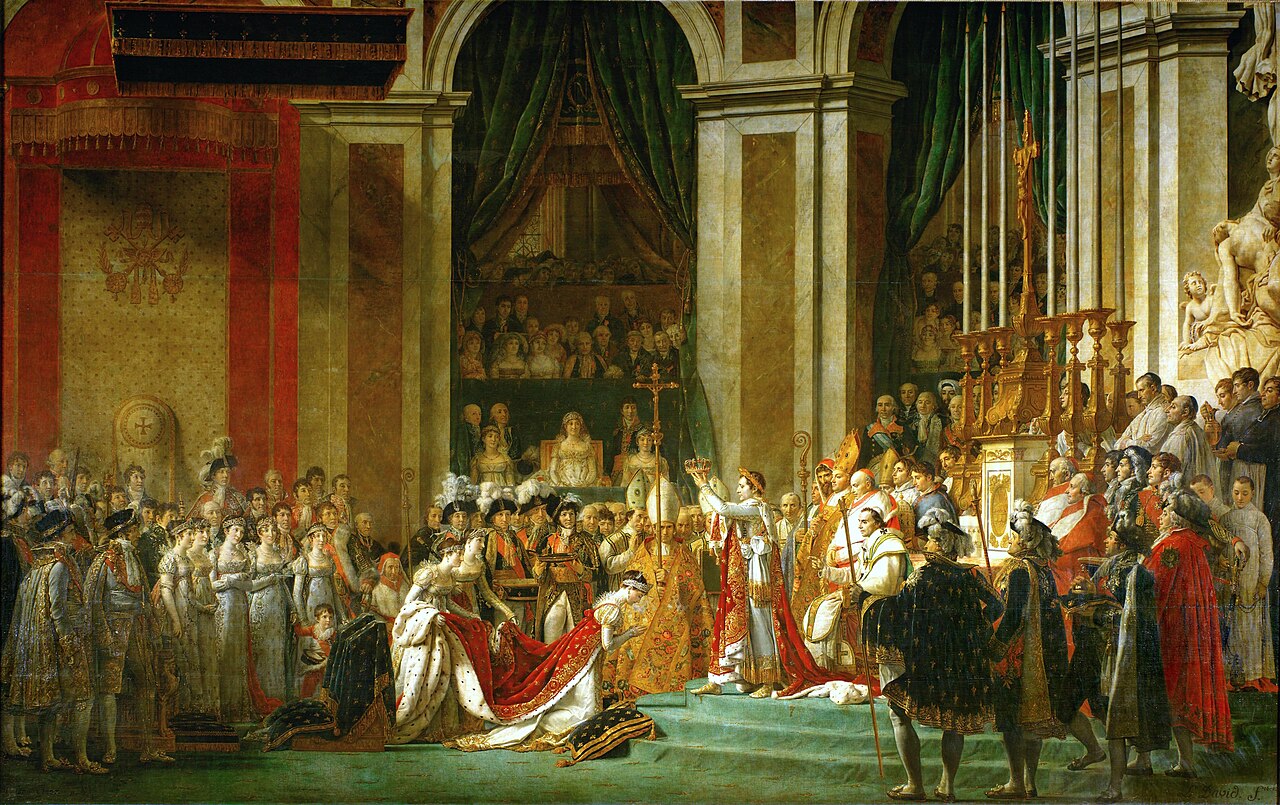
Several widely remembered occurrences date to 1804. In Europe, the political career of Napoleon Bonaparte reached a new stage when he was proclaimed Emperor of the French, formalizing the transition from revolutionary leader to imperial ruler. In the Caribbean, former slaves in Saint-Domingue declared the independence of Haiti, creating the first independent nation in Latin America governed by formerly enslaved people. In North America, the Lewis and Clark expedition, commissioned by the United States, began its westward journey to chart and describe territories acquired in the Louisiana Purchase. In the United States political sphere, the duel between Vice President Aaron Burr and former Secretary of the Treasury Alexander Hamilton ended Hamilton’s life and altered American political culture.
Context and developments
1804 occurred against the backdrop of the early Industrial Revolution and ongoing geopolitical rivalry among European powers. Advances in manufacturing, transportation and military organization were changing societies, economies and warfighting. Colonial upheavals and independence movements challenged imperial rule in the Americas and Caribbean, while maps and scientific knowledge expanded as explorers and naturalists documented new regions.
Notable facts and legacy
- Napoleon’s elevation to emperor accelerated conflict between France and other European states and influenced legal and administrative reforms across Europe.
- Haiti’s independence had profound effects on Atlantic slavery, colonial policy, and debates about freedom and citizenship.
- The Lewis and Clark expedition produced important geographical, botanical and ethnographic information about the North American interior.
- The Burr–Hamilton duel is often cited as a turning point in American political norms regarding honor and violence.
Though no single event defines 1804, the year is notable for how its political, exploratory and social developments contributed to long-term transformations in governance, territorial control and scientific knowledge.
Related articles
Author
AlegsaOnline.com 1804 Leandro Alegsa
URL: https://en.alegsaonline.com/art/111753