
1796
A summary of the year 1796: military campaigns and diplomatic shifts in Europe, Edward Jenner’s smallpox vaccination breakthrough, political developments in the United States, and broader cultural and global contexts.
Overview
1796 was a year of active war, diplomacy and scientific advance at the close of the 18th century. The French Revolutionary Wars continued to reshape European politics and territories, while innovations in medicine began to alter public-health practice. Political life in the United States matured as the young republic navigated partisan contests and foreign pressures. The year is also noted as a leap year in the Gregorian calendar.
Image gallery
1 Image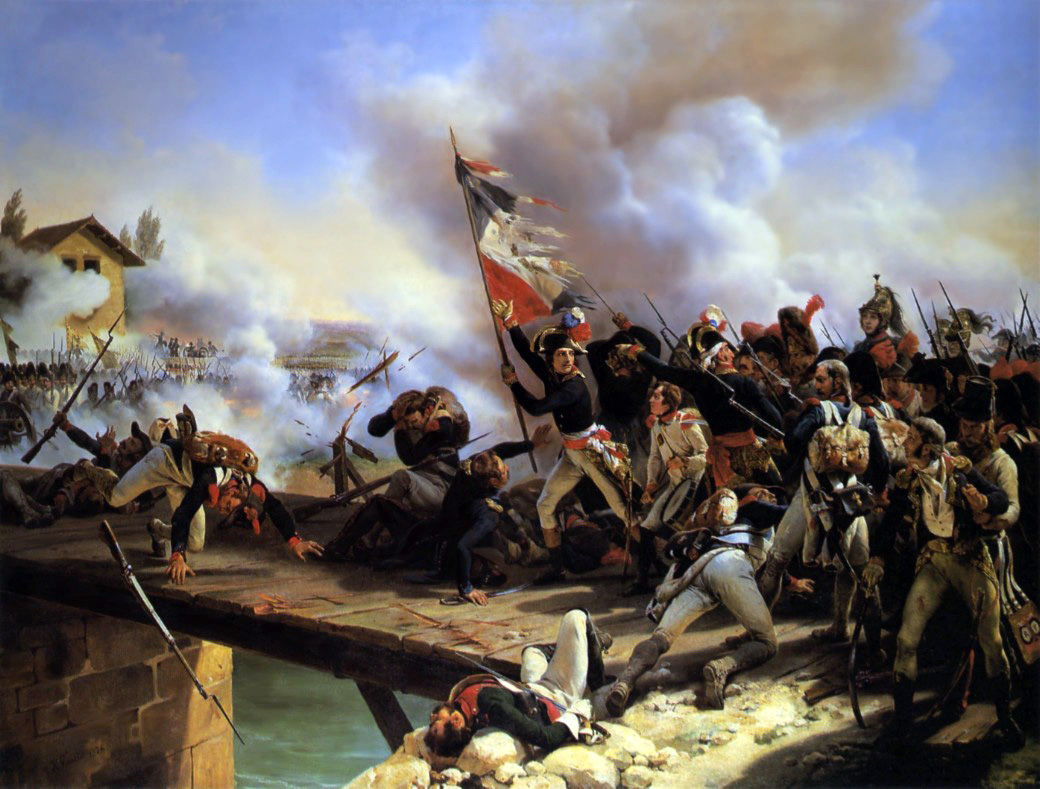
Major military and diplomatic developments
Revolutionary France remained engaged against the First Coalition. In Italy, French armies under rising commanders won a series of engagements that enhanced their influence on the peninsula and weakened Austria's position there. Diplomatic realignments accompanied battlefield results: several continental powers adjusted their policies in response to French successes, and at least one formal alliance between France and another European monarchy altered the balance of naval and colonial rivalry.
Science, medicine and culture
The year is widely associated with Edward Jenner's work on smallpox vaccination. Jenner's experiments using cowpox material to induce protection against smallpox marked the beginning of a systematic preventive practice that later developed into modern vaccination. Cultural life continued to reflect both revolutionary and classical themes across literature, visual arts and music as artists and audiences responded to social and political change.
United States and political change
The United States held a contested presidential election that demonstrated the emergence of organized political factions and produced the nation's second president. In the same year, the outgoing president published a widely read farewell address that advised caution in foreign entanglements and warned against partisan divisions—statements that shaped later political debate.
Global context and legacy
Beyond Europe and North America, revolutionary and anti-colonial movements, colonial rivalries and economic competition continued to affect the Caribbean, the Americas and Asia. The combination of military campaigns, diplomatic shifts and the beginnings of vaccination practice in 1796 had lasting effects on public health, statecraft and the diplomatic map, helping to set directions that would be more fully realized in the early 19th century.
Related articles
Author
AlegsaOnline.com 1796 Leandro Alegsa
URL: https://en.alegsaonline.com/art/111740