
1792
A pivotal year marked by the fall of the French monarchy, the outbreak of the Revolutionary Wars, and important institutional steps in the early United States.
1792 was a year of accelerating political transformation and open warfare across Europe and consequential institutional development in the United States. The year is most closely associated with decisive episodes of the French Revolution: the collapse of royal authority in Paris, the proclamation of a republic, and the beginning of protracted continental war that reshaped European diplomacy and military practice.
Image gallery
10 Images





France and the Revolutionary Wars
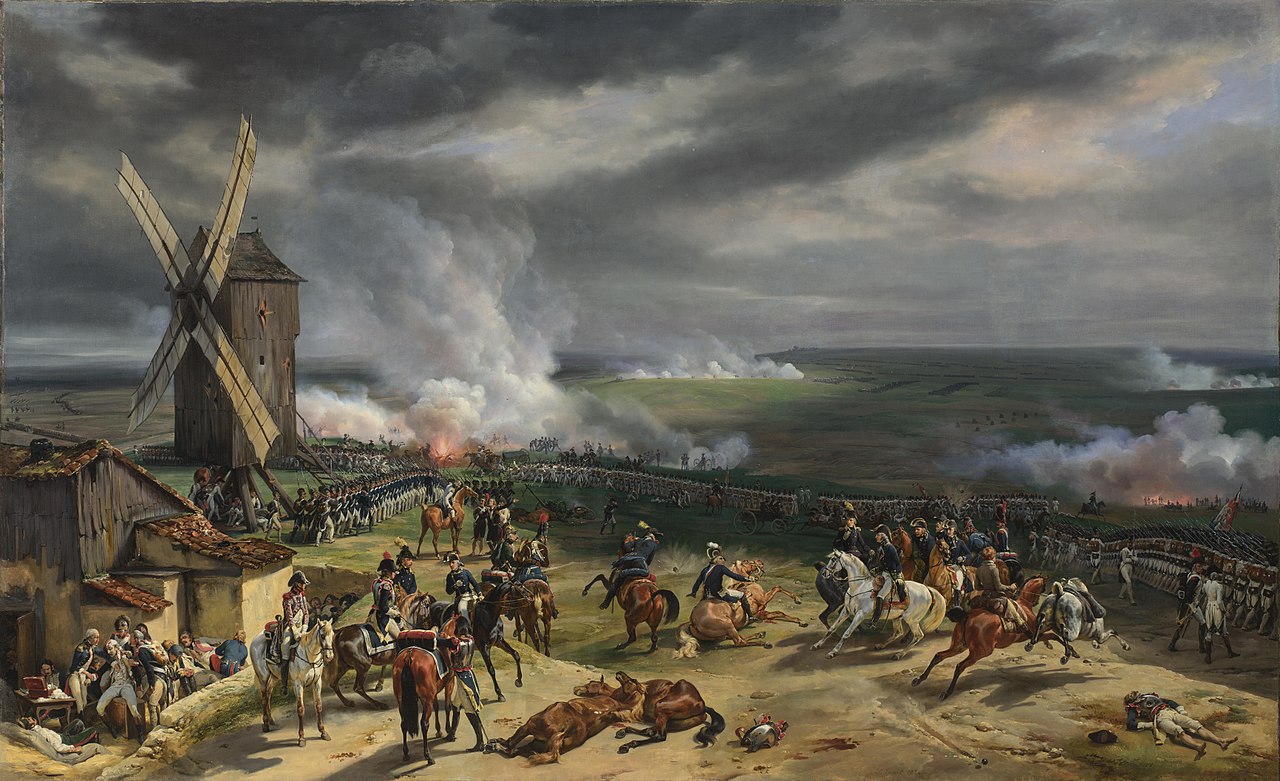
The French Legislative Assembly declared war on Austria in April 1792, initiating large-scale hostilities that rapidly drew in other states and evolved into the War of the First Coalition. Domestic crises in Paris—most notably the storming of the Tuileries Palace on 10 August and the violent prison riots in early September often called the September Massacres—undermined the monarchy. The National Convention, elected later that month, moved to abolish the monarchy and proclaim the French Republic on 21 September 1792. Militarily, the French field army halted the advance of Prussian and Austrian forces at the Battle of Valmy on 20 September, a morale-boosting outcome that helped secure the revolutionary government.
Other European developments
1792 also saw conflict beyond France’s borders. In eastern Europe the Polish–Russian War of 1792 reflected internal reform efforts in the Polish–Lithuanian Commonwealth and the pressure exerted by neighboring empires. The wider pattern of insurgency, reform and repression across the continent contributed to shifting alliances and the emergence of coalition warfare against revolutionary France.
The United States
Across the Atlantic, 1792 featured important steps in state-building under the new Constitution. Congress passed the Coinage Act, establishing a federal mint and the United States dollar as the national unit of currency. George Washington was returned to the presidency for a second term in the election of 1792, reinforcing early precedents of peaceful transfer and continuity. Kentucky was admitted to the Union as the fifteenth state, illustrating westward expansion and the ongoing process of state formation.
Culture, science and legacy
The upheavals of 1792 affected culture, thought and migration. Revolutionary ideas and wartime conditions influenced artists, writers and scientists; the year also saw the births of figures who would contribute to 19th-century science, such as the astronomer Sir John Herschel. The events of 1792 left a lasting legacy: the end of the French constitutional monarchy and the rise of republican government altered modern notions of sovereignty and citizenship, while the outbreak of continental war set patterns of international coalition and ideological conflict that shaped the closing years of the century.
Related articles
Author
AlegsaOnline.com 1792 Leandro Alegsa
URL: https://en.alegsaonline.com/art/111736