
1786
Year 1786: a year of cultural premieres, growing political unrest in the United States, and important commercial diplomacy between France and Britain; seen as part of the late‑18th‑century prelude to wider political change.
Overview
1786 was a year of political strain, cultural achievement, and international negotiation during the late Enlightenment era. Across Europe and North America the consequences of recent wars, fiscal stress and evolving ideas about government and commerce created pressures that would help shape the next decade of revolutions and constitutional reform.
Image gallery
9 Images
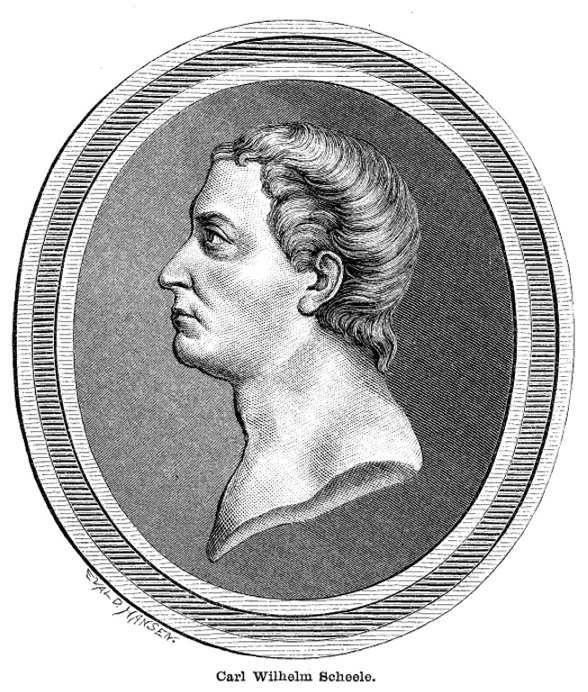





Political and social events
In North America the weaknesses of the confederation established after the American Revolution became increasingly visible. In Massachusetts, economic hardship and disputed debts provoked armed protests by farmers and veterans; the unrest that began in 1786 is commonly known as Shays' Rebellion and continued into 1787, influencing American debates about federal authority. In response to interstate commercial difficulties, political leaders met at what is now called the Annapolis Convention (September 1786) and recommended a broader constitutional convention to address the defects of the national government.
International diplomacy and economy
1786 also saw diplomatic moves with economic aims. Britain and France concluded a commercial treaty that eased tariffs and encouraged trade after prolonged rivalry; this agreement reflected a pragmatic shift toward regulated commerce between two former adversaries. Across Europe, governments wrestled with revenue shortfalls and reform proposals as monarchs and ministers attempted to reconcile state finances with growing public expectations.
Culture and the arts
The year is notable in musical history for the premiere of Wolfgang Amadeus Mozart's opera The Marriage of Figaro in Vienna (May 1786). The opera, based on a play by Pierre Beaumarchais, was both an artistic milestone and a work that engaged contemporary social themes, including class relations and individual rights. Theatres, salons and publishing networks continued to spread Enlightenment ideas through literature, music and debate.
Science, exploration and society
Scientific inquiry and practical improvement continued throughout the Atlantic world: universities, learned societies and itinerant engineers promoted agricultural, mechanical and medical advances. Exploration and commercial expansion proceeded under the auspices of national and private interests, while urbanization and changing labor patterns contributed to social tensions in both Europe and the Americas.
Selected notable events of 1786
- May 1 – Premiere of Mozart's opera The Marriage of Figaro in Vienna.
- August onward – Armed protests and rural insurrections in Massachusetts (Shays' Rebellion) begin and continue into 1787.
- September 11–14 – The Annapolis Convention meets to discuss interstate commercial problems and recommends a broader constitutional convention.
- Late 1786 – Britain and France conclude a commercial treaty to reduce barriers to trade.
Although not a year of single sweeping revolutions, 1786 exemplifies the political, cultural and economic currents of the late 18th century: increasing demands for constitutional solutions, experiments in commercial diplomacy, and influential artistic works that echoed wider debates about society and authority. Those developments helped set the stage for constitutional reform in the United States and for the convulsions that would affect Europe and the Atlantic world in the years immediately to follow.
Related articles
Author
AlegsaOnline.com 1786 Leandro Alegsa
URL: https://en.alegsaonline.com/art/111729