
1774
Events of the year 1774, including political crises in the American colonies, the Treaty of Küçük Kaynarca, scientific advances, and a change of monarchs in France.
1774 was a year of political tensions, diplomatic realignments and scientific observation that helped shape the late eighteenth century. In the Atlantic world, events that began with unrest in North America moved closer to open conflict. In Europe and the Near East, diplomatic settlements changed power balances. Intellectual and scientific activity also continued to advance ideas about nature and government.
Image gallery
10 Images
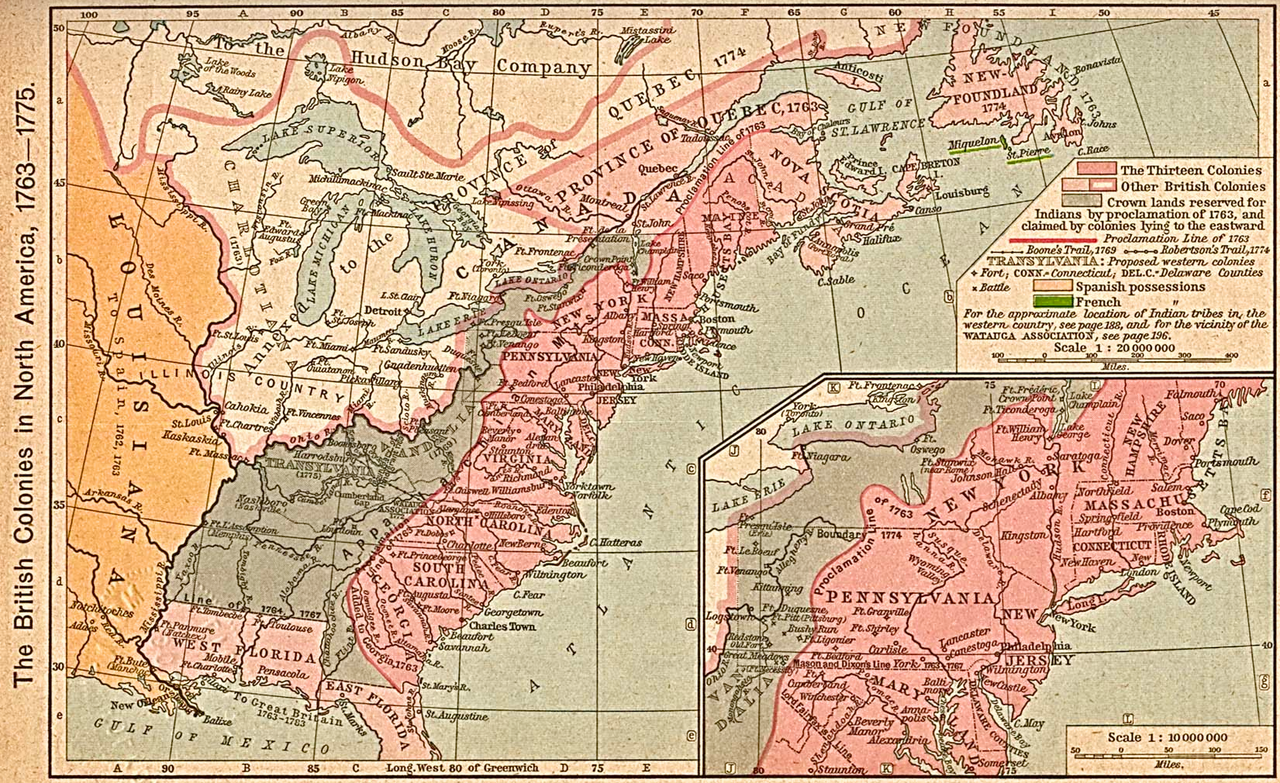


Political and colonial developments
In British North America the crown's punitive response to the Boston Tea Party produced a set of measures commonly called the Coercive Acts (or Intolerable Acts) that were enacted in 1774. These laws, and a contemporaneous reorganization of Quebec, alarmed many colonists. In September 1774 delegates from most mainland colonies gathered in Philadelphia for the First Continental Congress to coordinate responses. That assembly produced the Continental Association, a widespread non‑importation agreement, and called for further unity among the colonies.
International diplomacy and war
On the wider stage, the Russo‑Ottoman War of the early 1770s concluded with a major settlement in 1774. The Treaty of Küçük Kaynarca granted the Russian Empire territorial and commercial advantages and altered the political status of the Crimean region, with long‑term consequences for Ottoman power in Eastern Europe.
Monarchy and European affairs
France experienced a dynastic transition in 1774 when King Louis XV died and was succeeded by his grandson Louis XVI. The change in kingship occurred against a backdrop of financial strain and court politics that would intensify in subsequent decades. Across Europe, diplomatic rivalries and the balance of power continued to inform royal decision‑making.
Science, exploration and culture
Scientific investigation proceeded apace: British natural philosopher Joseph Priestley described a form of air he called "dephlogisticated air" in 1774, a substance later identified as oxygen by chemists. Exploration of the Pacific and southern oceans by European navigators continued to expand geographic knowledge, and music, literature and the arts reflected the intellectual currents of the Enlightenment.
Notable consequences and legacy
The measures enacted in 1774 and the colonial response at the Continental Congress marked a clear step toward the American Revolution. The Russo‑Ottoman settlement reshaped regional geopolitics, and scientific observations of the year contributed to the growing reassessment of natural philosophy. Together these developments illustrate how 1774 linked political crisis, diplomatic change and intellectual innovation.
Selected notable figures
- Louis XV of France — died in 1774; succeeded by Louis XVI.
- Delegates of the First Continental Congress — colonial leaders who coordinated resistance to British measures.
- Joseph Priestley — described a form of air later recognized as oxygen.
Related articles
Author
AlegsaOnline.com 1774 Leandro Alegsa
URL: https://en.alegsaonline.com/art/111717