
1783: Year of Peace, Early Flight, and Volcanic Crisis
Survey of 1783, the year that ended the American Revolution, produced the first human balloon flights, saw major volcanic eruptions with climatic effects, and reshaped regional power in Europe and the Caucasus.
1783 was a year of striking contrasts: diplomatic settlements that ended long conflicts, pioneering experiments that made human flight a reality, and dramatic natural events that altered weather, harvests and health across wide regions. Political, technological and environmental developments in this year have been seen as linked milestones in the transition from the late Enlightenment into the age of revolutionary change.
Image gallery
8 Images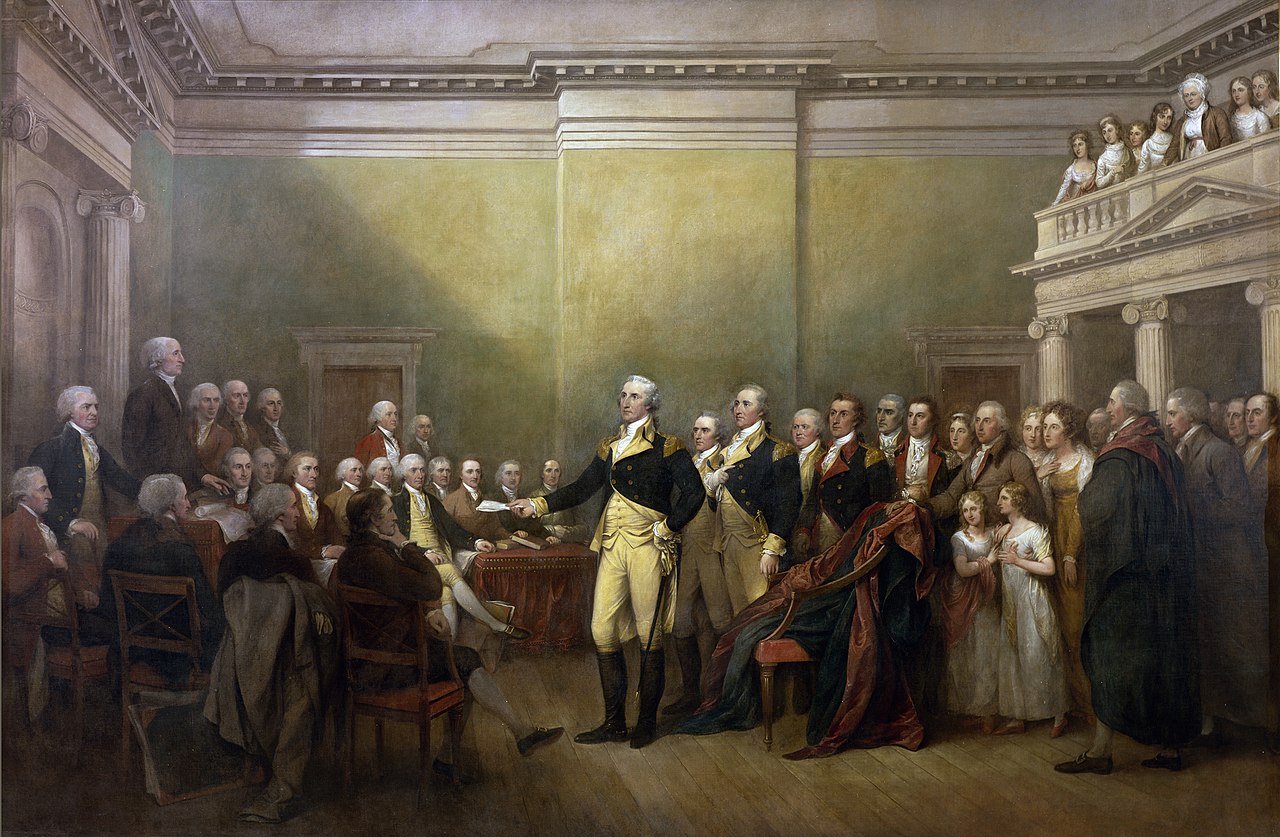




Major political and diplomatic developments
The most consequential political outcome of 1783 was the formal end of the war between Great Britain and its North American colonies. In the Treaty of Paris and related agreements often called the Peace of Paris, Britain recognized American independence and arrangements were made for boundaries, debts and the withdrawal of forces; the evacuation of British troops from New York that autumn became a symbolic close to hostilities. At the same time, the Russian Empire expanded its influence in the Black Sea area: Crimea was brought under Russian control and Russia concluded a protectorate treaty with the eastern Georgian kingdom of Kartli-Kakheti, changing the balance of power in the Caucasus.
Science, technology and early aviation
1783 is widely remembered for the beginnings of practical aeronautics. The Montgolfier brothers demonstrated a public hot-air balloon ascent in France, followed by tethered and then free flights that culminated in the first untethered human ascent later that year. Independently, experimenters such as Jacques Charles developed hydrogen-filled balloons, demonstrating an alternative lifting gas and extending technical understanding of buoyancy and materials. These demonstrations captured public imagination and helped spur further scientific and popular interest in flight.
Natural events and environmental impact
Beginning in the summer of 1783, a prolonged fissure eruption in Iceland released enormous quantities of ash and gases. The Laki eruption (often dated to the summer months) produced an extensive sulfurous haze sometimes described as a "dry fog," which was observed across much of Europe and beyond. Contemporary accounts and later studies link the eruption to crop failures, livestock poisonings in Iceland, respiratory illness in affected populations, and unusual weather patterns in subsequent seasons. The event is an early, well-documented example of how a large volcanic eruption can have transnational climatic and social consequences.
Culture, notable births and legacies
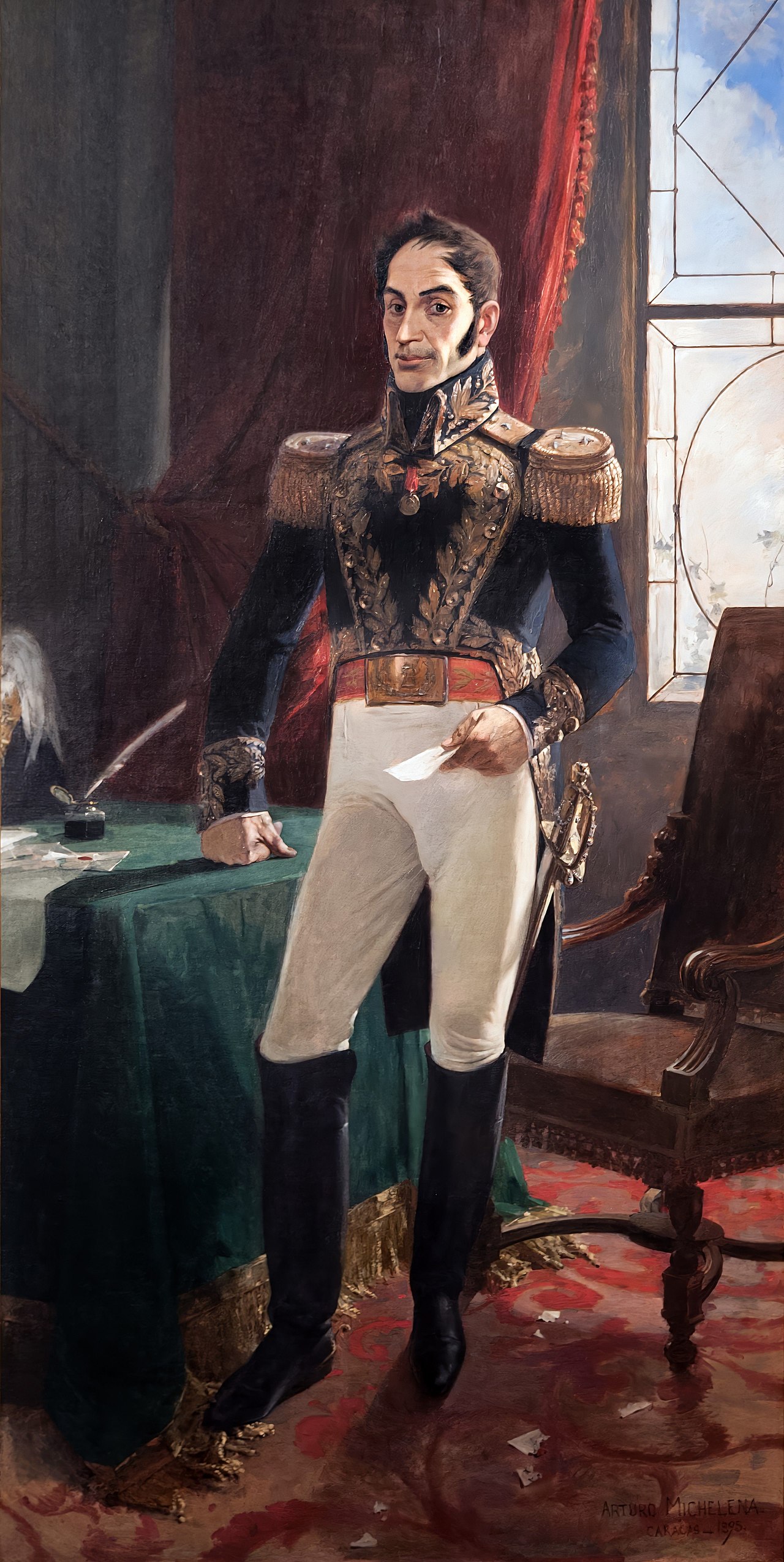
The intellectual and cultural climate of 1783 reflected Enlightenment currents: public demonstrations, scientific societies and debates about rights and government. In the same year, Simón Bolívar was born in northern South America; he would become a central leader in independence movements there in the following decades. The combination of diplomatic change, technological novelty and environmental stress in 1783 helped shape political debates and popular experience across continents.
Key points
- Peace of Paris treaties — British recognition of United States independence and the formal winding down of Revolutionary War hostilities.
- First successful human balloon flights — hot-air and hydrogen experiments that inaugurated practical aeronautics.
- Laki volcanic eruption in Iceland — major release of gases and ash with widespread atmospheric and agricultural effects.
- Russian expansion — incorporation of Crimea and a protectorate treaty with eastern Georgia, affecting Caucasus geopolitics.
For historians the year matters because it brings together diplomatic resolution, technological breakthrough and a striking environmental crisis, illustrating how human affairs and natural forces interacted at a pivotal moment in the late 18th century.
Related articles
Author
AlegsaOnline.com 1783: Year of Peace, Early Flight, and Volcanic Crisis Leandro Alegsa
URL: https://en.alegsaonline.com/art/111726