
1770
Year 1770: a pivotal year in the late Enlightenment marked by Captain James Cook's charting of Australia, the Boston Massacre and cultural births such as Ludwig van Beethoven.
1770 sits in the closing decades of the Enlightenment and the long eighteenth century of imperial expansion and political upheaval. It is remembered for events that accelerated colonial tensions in North America, for voyages of Pacific exploration that reshaped European maps, and for cultural births that would shape the arts of the 19th century.
Image gallery
7 Images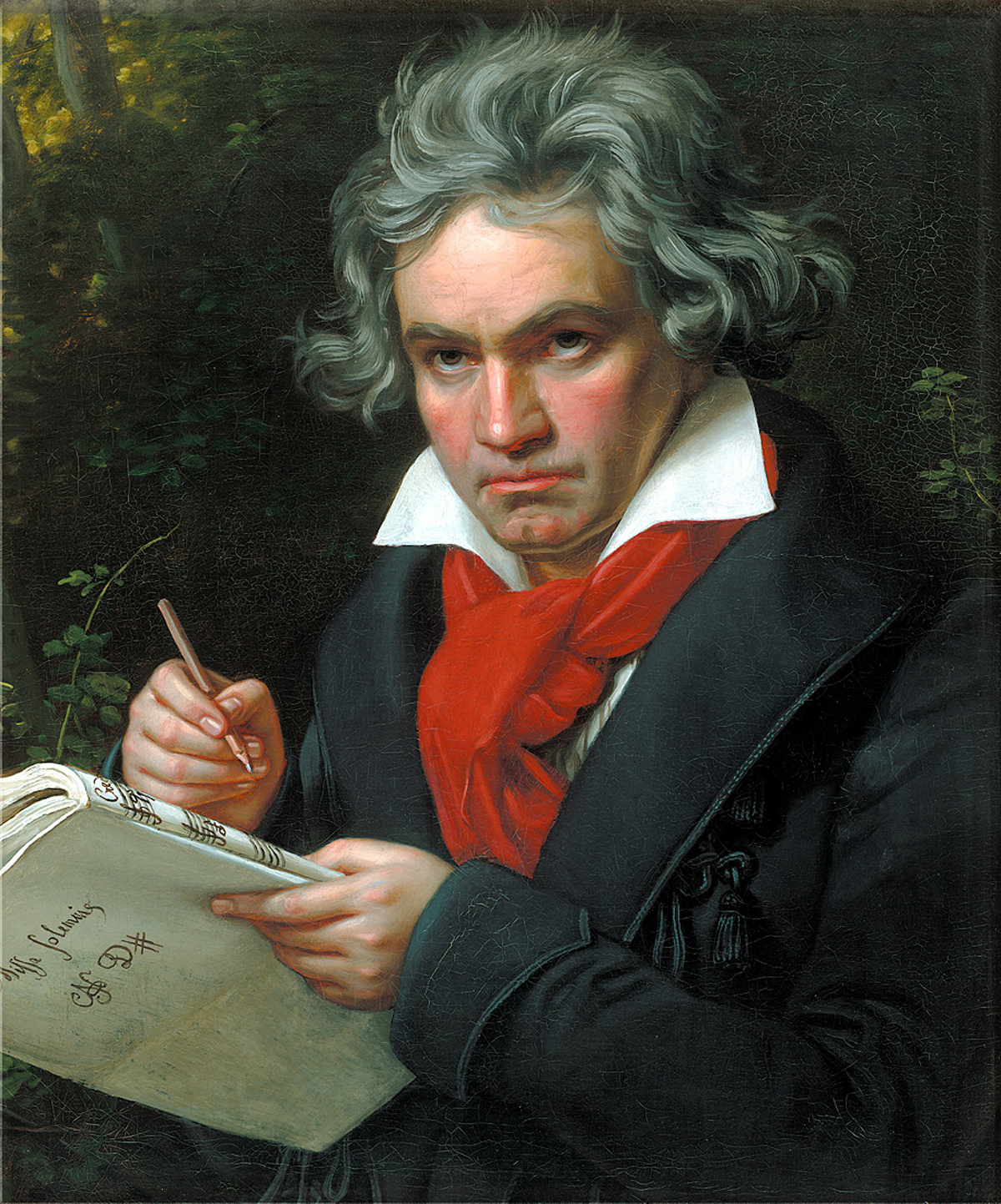



Major events
- Boston Massacre (March 5): A deadly clash between British soldiers and civilians in Boston intensified anti‑British sentiment in the American colonies and became a rallying episode in the years before the American Revolution.
- Parliamentary changes to colonial taxation: In 1770 British lawmakers eased some Townshend duties, retaining only a tax on tea; the partial repeal calmed tensions briefly but left unresolved issues of taxation and representation.
- Pacific exploration: Captain James Cook’s first voyage charted large stretches of the eastern coast of what is now Australia; the expedition suffered a serious shipwreck on the Great Barrier Reef and subsequently took possession of parts of the coast for Britain.
These events took place against a background of expanding global trade, scientific curiosity, and rising political debate over imperial authority and local rights.
Notable births and deaths
- Births: Ludwig van Beethoven (December 1770) — composer whose work would bridge classical and romantic eras.
- Deaths: The year also saw the passing of several regional figures in politics, science and church life, reflecting the generational turnover of the period.
Importance and legacy: 1770 is often cited as a flashpoint year that highlighted tensions between metropolitan governments and colonial societies, while also illustrating the era’s appetite for geographic discovery and cultural achievement. Incidents from this year fed into the larger revolutions and reforms that followed, and the maps and natural observations produced by voyages of exploration influenced later scientific study and imperial claims.
Related articles
Author
AlegsaOnline.com 1770 Leandro Alegsa
URL: https://en.alegsaonline.com/art/111712