
1759
A pivotal year marked by decisive battles of the Seven Years' War, major cultural publications, and notable births and deaths that helped shape politics, literature, and music.
Overview
1759 was dominated by the global conflict known as the Seven Years' War and by significant cultural developments in Europe. Military events across North America, Europe and the seas produced a string of Allied victories that altered the balance of colonial power. At the same time, writers and composers produced works that left a long cultural legacy.
Image gallery
9 Images


Military events and imperial shifts
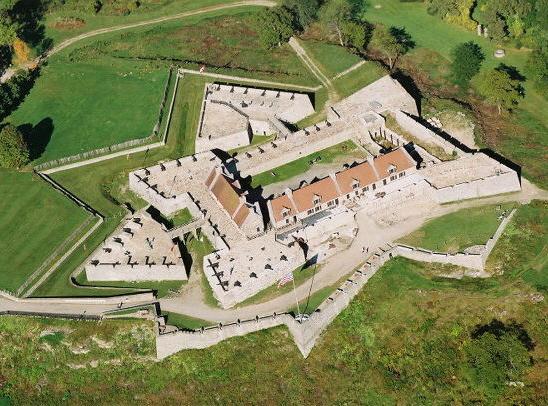
The year is especially remembered for a succession of military victories for Britain and its allies. In North America the decisive engagement commonly called the Battle of the Plains of Abraham (September 1759) led to the capture of Quebec, a turning point in the struggle for control of Canada. Naval clashes—including the battle off Quiberon Bay—helped curb French maritime initiatives and secure British command of the Atlantic for the remainder of the war.
- Battle of the Plains of Abraham (September 1759) — fall of Quebec.
- Battle of Quiberon Bay (November 1759) — significant British naval victory.
- Engagements in Europe and off Lagos and other Atlantic waters that weakened French naval capabilities.
Cultural and intellectual developments
1759 was also notable for literary and musical events. Voltaire’s philosophical novella that criticizes optimism, Candide, appeared in this year and quickly became influential. Laurence Sterne published early volumes of his experimental novel Tristram Shandy, which challenged narrative conventions. In music, the death of George Frideric Handel marked the end of an era for Baroque composition across Britain and beyond.
Notable births and deaths
- Birth: Robert Burns (January 25, 1759) — later celebrated Scottish poet and lyricist, known for his works in Scots and English.
- Death: George Frideric Handel (April 14, 1759) — prolific composer of operas, oratorios and instrumental music.
- Deaths of military leaders and other figures on various battlefields underscore the year's high human cost.
Significance and legacy
Historians often treat 1759 as a turning point in the mid‑18th century because its military outcomes accelerated British imperial expansion and weakened rival powers. The year's cultural output—novels, criticism and music—reflected and influenced Enlightenment debates. In British memory the concentration of successes gave 1759 the nickname "Annus Mirabilis" or "year of miracles," a phrase that highlights how a single year can disproportionally affect subsequent political and cultural developments.
Related articles
Author
AlegsaOnline.com 1759 Leandro Alegsa
URL: https://en.alegsaonline.com/art/111700