
1757: A Pivotal Year in the Seven Years' War and the Rise of British India
Overview of the year 1757, highlighting major military clashes of the Seven Years' War, the Battle of Plassey in India, political consequences, and notable births and events.
1757 was marked by intense military activity and political change as the Seven Years' War expanded into a global conflict. Battles in Europe, North America and India during this year shaped the balance of power among Britain, France, Prussia, Austria and their allies. The outcomes of key engagements helped determine colonial fortunes and established long-term trends in state rivalry, overseas expansion and military reputation.
Image gallery
8 Images



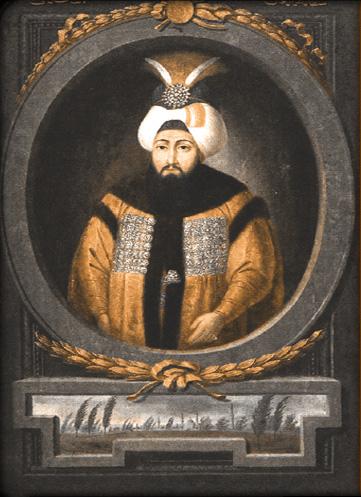
Major military and political events
- Battle of Prague (6 May) and the subsequent siege: Prussian forces under Frederick II (Frederick the Great) won at Prague but failed to secure a decisive advantage in Bohemia.
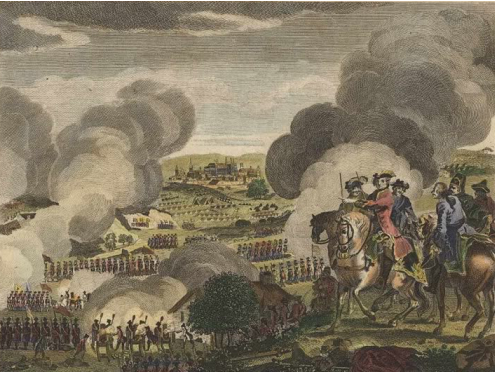
- Battle of Kolín (18 June): Austrian forces achieved a significant victory that forced Prussia to withdraw from parts of Bohemia, illustrating the seesaw nature of the Continental campaign.
- Battle of Plassey (23 June): In India, Robert Clive led troops of the British East India Company to victory over the forces of Siraj ud-Daulah. This engagement opened the way for Company influence and eventual political control in Bengal.
- Siege and fall of Fort William Henry (August): During the French and Indian War in North America, the British garrison surrendered to French forces; the surrender was followed by violent incidents that became notorious in contemporary accounts.
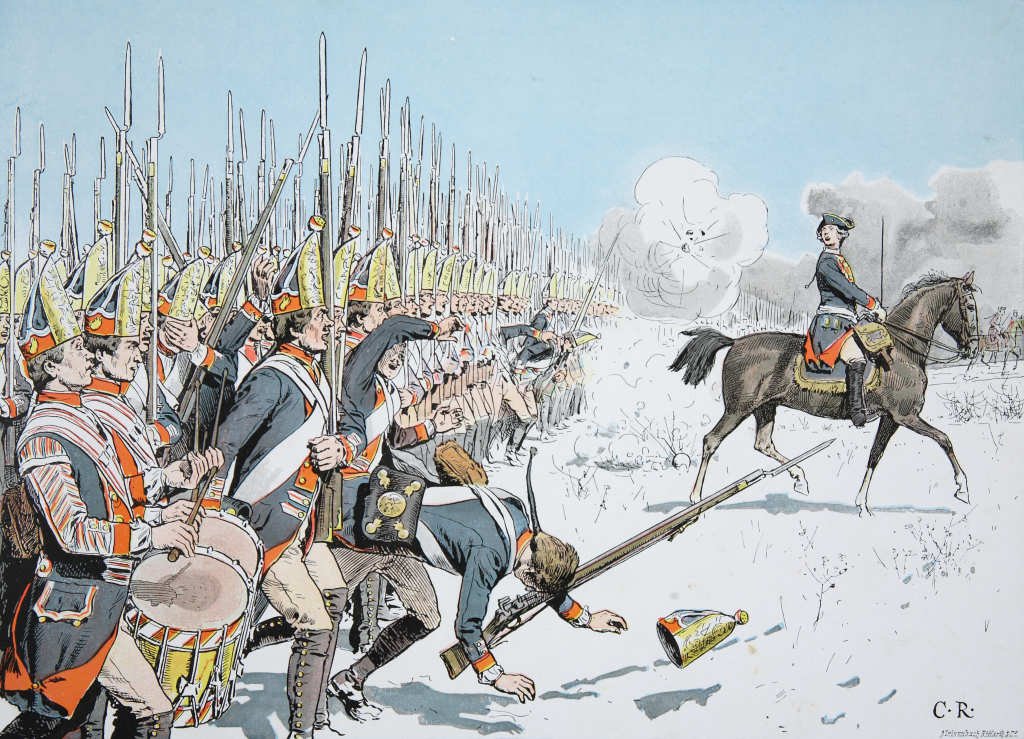
- Battles of Rossbach and Leuthen (5 Nov and 5 Dec): Prussia scored dramatic victories under Frederick the Great against numerically superior enemy armies, restoring and enhancing Prussian military prestige in Europe.
Other notable political events included the court-martial and execution of Admiral John Byng in March for failures related to operations in the Mediterranean; his fate provoked debate in Britain about command responsibility and naval policy.
Consequences and significance
The campaign outcomes of 1757 had immediate and long-term effects. In India, the Battle of Plassey is often seen as a turning point that enabled the British East India Company to gain revenue, influence, and territorial footholds in Bengal—foundations for later colonial rule. In Europe, the victories and defeats of 1757 consolidated Frederick the Great's reputation as a capable commander despite strategic setbacks earlier in the year. Globally, the year's events reinforced the pattern of a world war in which colonial theatres were as decisive as battles on the Continent.
Cultural notes and notable births
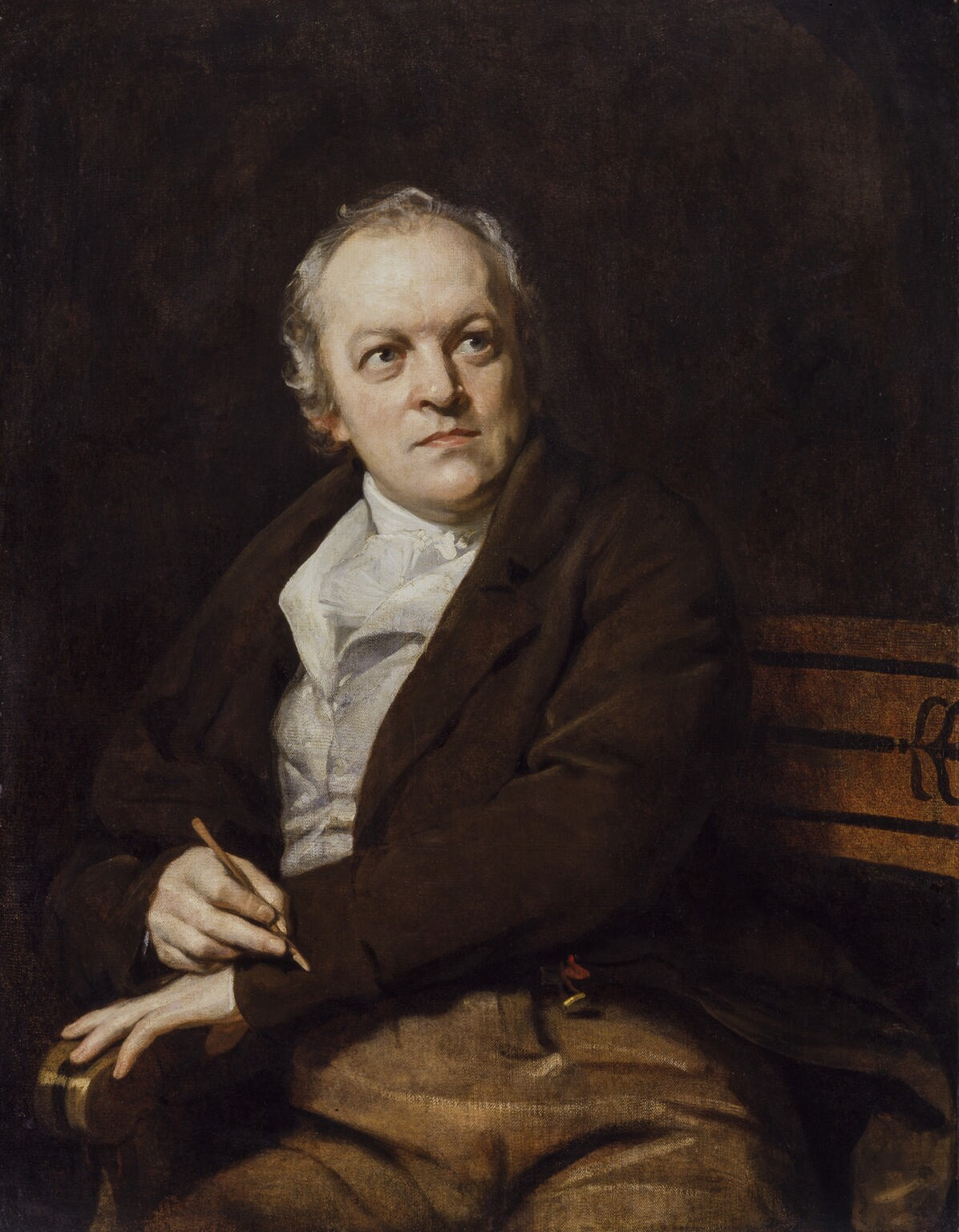
1757 saw the birth of the English poet and artist William Blake (28 November), who would become an influential figure in Romantic literature and visual art. The year's conflicts and political controversies also influenced contemporary literature, reportage and public debate about empire, war and governance.
Overall, 1757 stands out as a year when tactical victories translated into strategic advantage for some powers while exposing the fragility of others, shaping mid‑eighteenth‑century geopolitics and colonial trajectories for decades to come.
Related articles
Author
AlegsaOnline.com 1757: A Pivotal Year in the Seven Years' War and the Rise of British India Leandro Alegsa
URL: https://en.alegsaonline.com/art/111698