
1650 (year)
Events and context of the year 1650: mid-17th century politics, warfare, colonial expansion, Baroque culture and scientific change; calendar note on Gregorian vs Julian dating.
Overview
The year 1650 falls in the middle of the 17th century, within the Early Modern era. Politically and militarily it belongs to the decades of upheaval that followed the Thirty Years' War and the English Civil Wars. Economically and culturally, 1650 sits inside the rise of long‑distance trade, the Dutch Golden Age of commerce and art, and the broader Baroque movement in European culture. In calendar terms 1650 was a common year beginning on Saturday of the Gregorian calendar, while many regions still used the older Julian reckoning, so contemporary dates may differ between sources.
Image gallery
5 Images
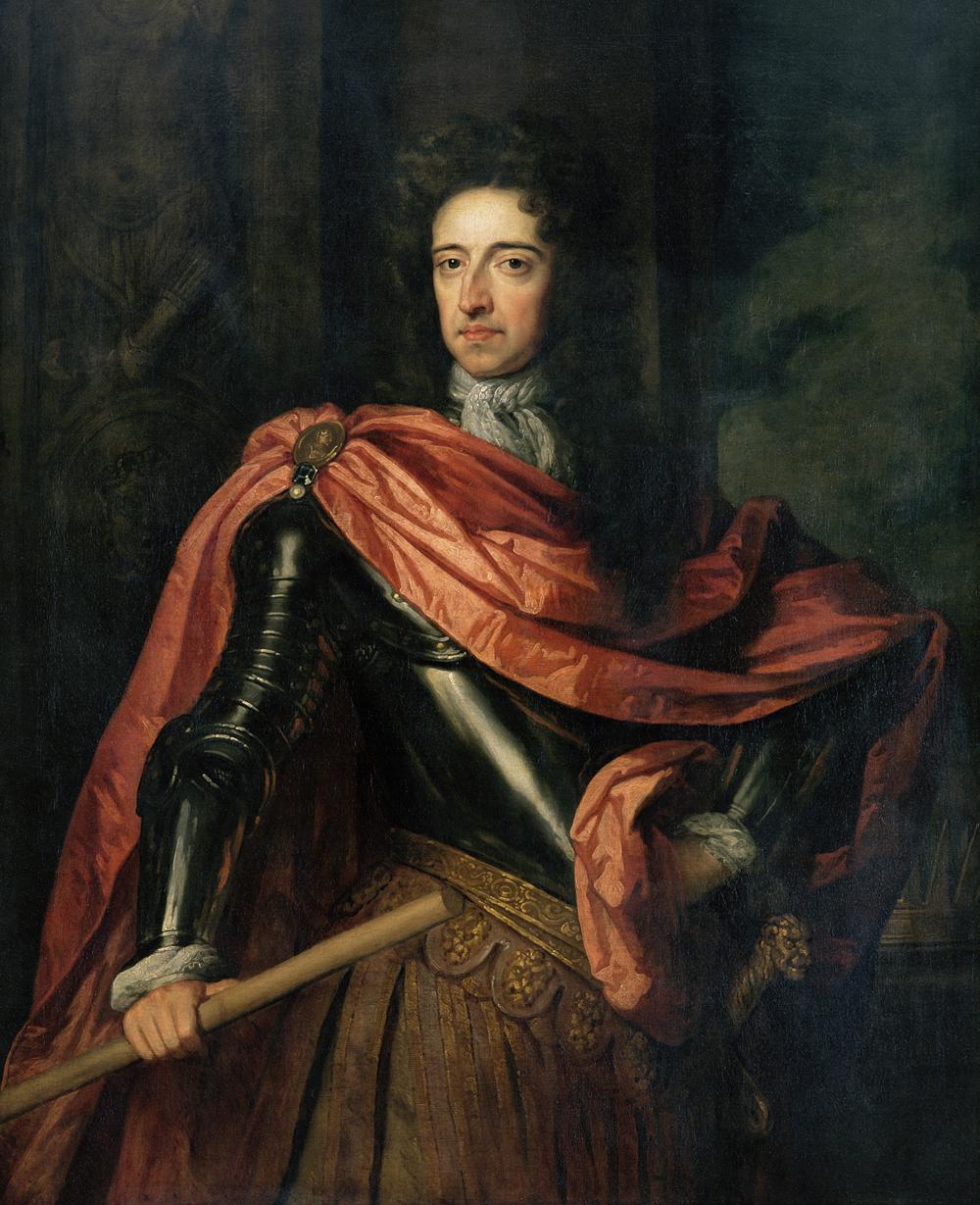


Politics and warfare
1650 was notable for conflicts connected to the English Commonwealth that emerged after the execution of Charles I in 1649. Charles II sought support in Scotland, prompting campaigns in Scotland and northern England by forces loyal to the Commonwealth under commanders who included Oliver Cromwell. One prominent military action of this period was the Battle of Dunbar, fought during the summer campaign in Scotland. On the continent, states continued to adjust to the new balance of power after the Peace of Westphalia (1648), with local tensions and diplomatic maneuvering among Habsburg, French, Dutch and Swedish interests.
Colonies, trade and economy
Maritime commerce and colonial expansion shaped global connections in 1650. Dutch, English, French, Spanish and Portuguese merchants and chartered companies extended networks across the Americas, Africa and Asia. These commercial systems brought wealth to port cities, stimulated shipbuilding and financial innovation, and intensified rivalry over trade routes and overseas possessions. The Atlantic economy, including plantation agriculture and the transatlantic slave trade, was a growing and consequential element of European overseas activity.
Science, learning and culture
The intellectual climate of 1650 combined continued interest in classical learning with an increasing emphasis on observation and experiment. The work of earlier and contemporary natural philosophers circulated widely in print. In February 1650 the mathematician and philosopher René Descartes died in Stockholm; his writings continued to influence philosophy and the emerging scientific debates. Artistic production in painting, music and architecture reflected Baroque tastes, with active cultural centers in cities such as Amsterdam, Paris and Rome.
Notable births and deaths
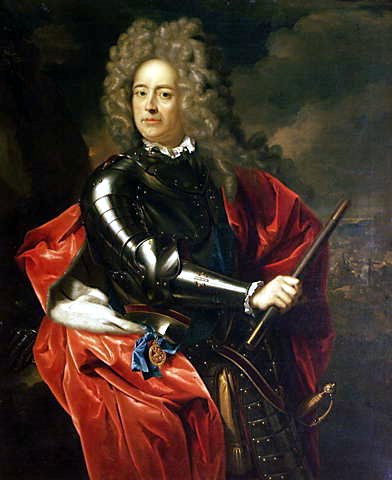
- Births: among those recorded in 1650 was John Churchill (later 1st Duke of Marlborough), an English soldier who would become prominent in later decades.
- Deaths: René Descartes, an influential philosopher and mathematician, died in 1650; his work remained central to later discussions in philosophy and science.
Historical significance
The year is representative of the mid‑century transformation of European politics, society and global connections: state formation and military conflict in Europe, expanding overseas empires, active intellectual exchange, and rich artistic production. For chronological research, historians note the coexistence of Gregorian and Julian calendars in this period and exercise caution when comparing contemporary documentary dates.
Related articles
Author
AlegsaOnline.com 1650 (year) Leandro Alegsa
URL: https://en.alegsaonline.com/art/111586