
1651: political change, Hobbes' Leviathan and rising maritime rivalry
A pivotal year: the Battle of Worcester ended major Royalist hopes in England, Thomas Hobbes published Leviathan, and the English Navigation Act reshaped seaborne trade and provoked wider naval competition.
1651 saw interconnected shifts in warfare, law and political thought that helped shape the later 17th century. Military outcomes in the British Isles, new commercial legislation, and major publications of political theory appeared together against a backdrop of dynastic change and colonial expansion.
Image gallery
6 Images



Major events in Britain and Europe
- Battle of Worcester: Royalist forces under Charles II were decisively defeated by the New Model Army, effectively ending large‑scale attempts to restore the monarchy; Charles fled into exile and the Commonwealth government consolidated control.
- Navigation Act (1651): The English Parliament enacted a law restricting the carriage of certain goods to English ships or ships of their origin, reflecting mercantilist aims to favor English commerce and seafaring interests. The act increased tensions with the Dutch Republic and contributed to the outbreak of naval conflict in the following years.
- Continental and colonial tensions: The Fronde in France continued to shape debates on royal authority and centralization, while imperial competition in the Americas, Africa and Asia increased the importance of naval power and trading regulations.
Intellectual and cultural life
In 1651 Thomas Hobbes published Leviathan, a systematic argument for strong sovereign authority to secure peace and prevent civil disorder. Hobbes presented a materialist view of human nature and developed ideas about the social contract and the legitimacy of political power that influenced debates for centuries. Scientific and artistic activity continued, often affected by the political turmoil of the period.
Developments beyond Europe
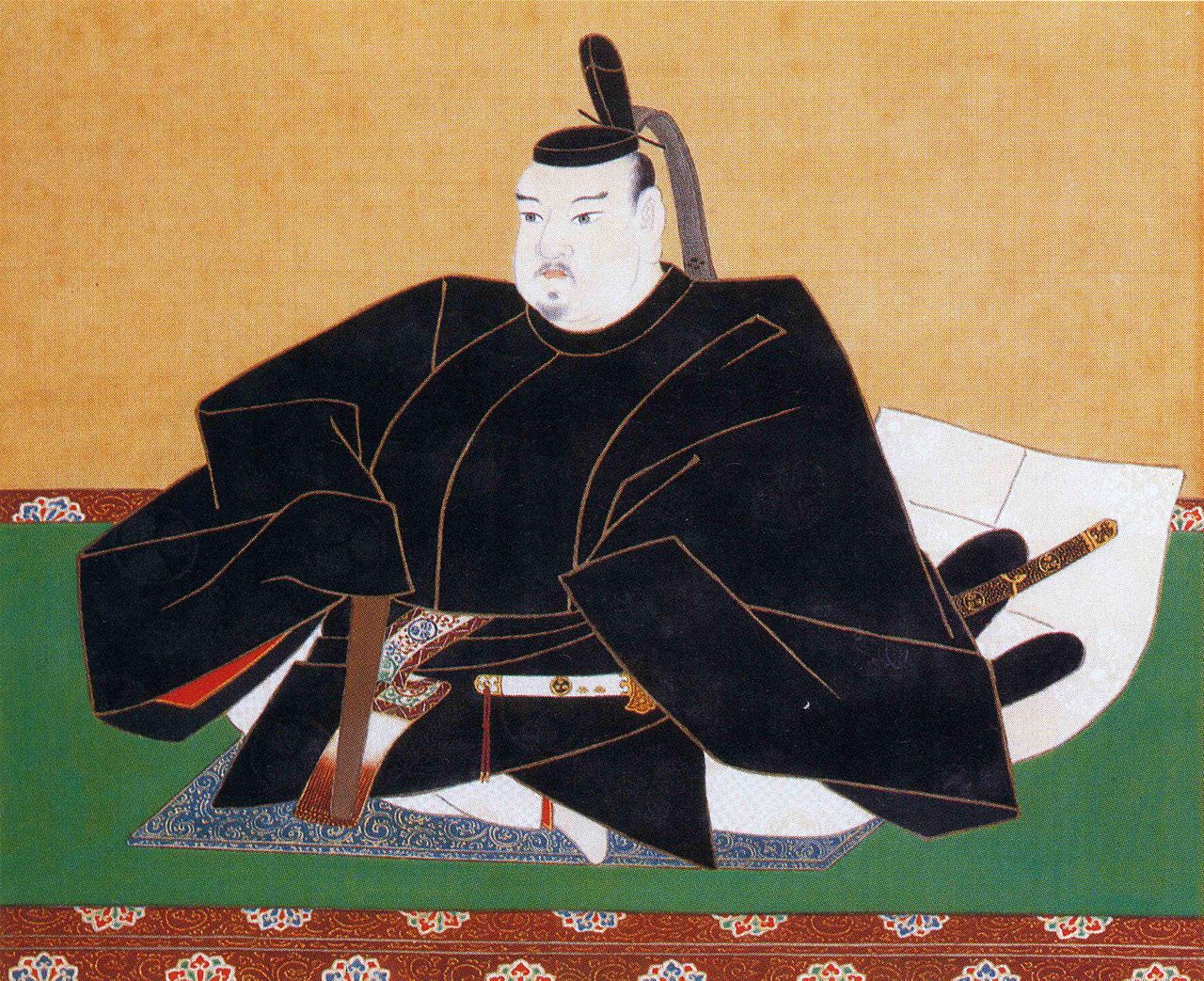
- East Asia: The Ming–Qing transition remained a source of upheaval on the Chinese mainland. In Japan, the Tokugawa shogunate showed continuity through a change of leadership, reinforcing the long‑term stability of the bakufu.
- Colonial expansion: Growing state control over trade and shipping helped shape colonial economies and increased rivalry among European powers for markets and maritime dominance.
Consequences and significance
The convergence of military victory, restrictive trade law and influential political writing in 1651 helped set trajectories for state formation, global commerce and political theory. The Navigation Act laid legal foundations for mercantile competition and contributed to the Anglo‑Dutch naval confrontations of the 1650s, while Hobbes's work reframed arguments about sovereignty and order that resonated through later constitutional and philosophical debates.
Notable figures associated with 1651
- Thomas Hobbes — author of Leviathan.
- Charles II — his defeat and flight marked a turning point in the English civil conflicts.
- Oliver Cromwell and the Commonwealth leadership — responsible for military victory and governance after the king's exile.
- Tokugawa shogunal leadership — exemplifying continuity of centralized rule in Japan.
Related articles
Author
AlegsaOnline.com 1651: political change, Hobbes' Leviathan and rising maritime rivalry Leandro Alegsa
URL: https://en.alegsaonline.com/art/111587