
1662
Overview of the year 1662: calendar note, major political and cultural events (Act of Uniformity, Great Ejection, Dutch–Koxinga conflict, early scientific advances), and its longer-term significance.
1662 was a common year that began on Sunday in conventional reckoning; it is often referenced in chronology and legal dating as a distinct year of the early Restoration period in England. For calendar reference see common year beginning on Sunday.
Image gallery
7 Images


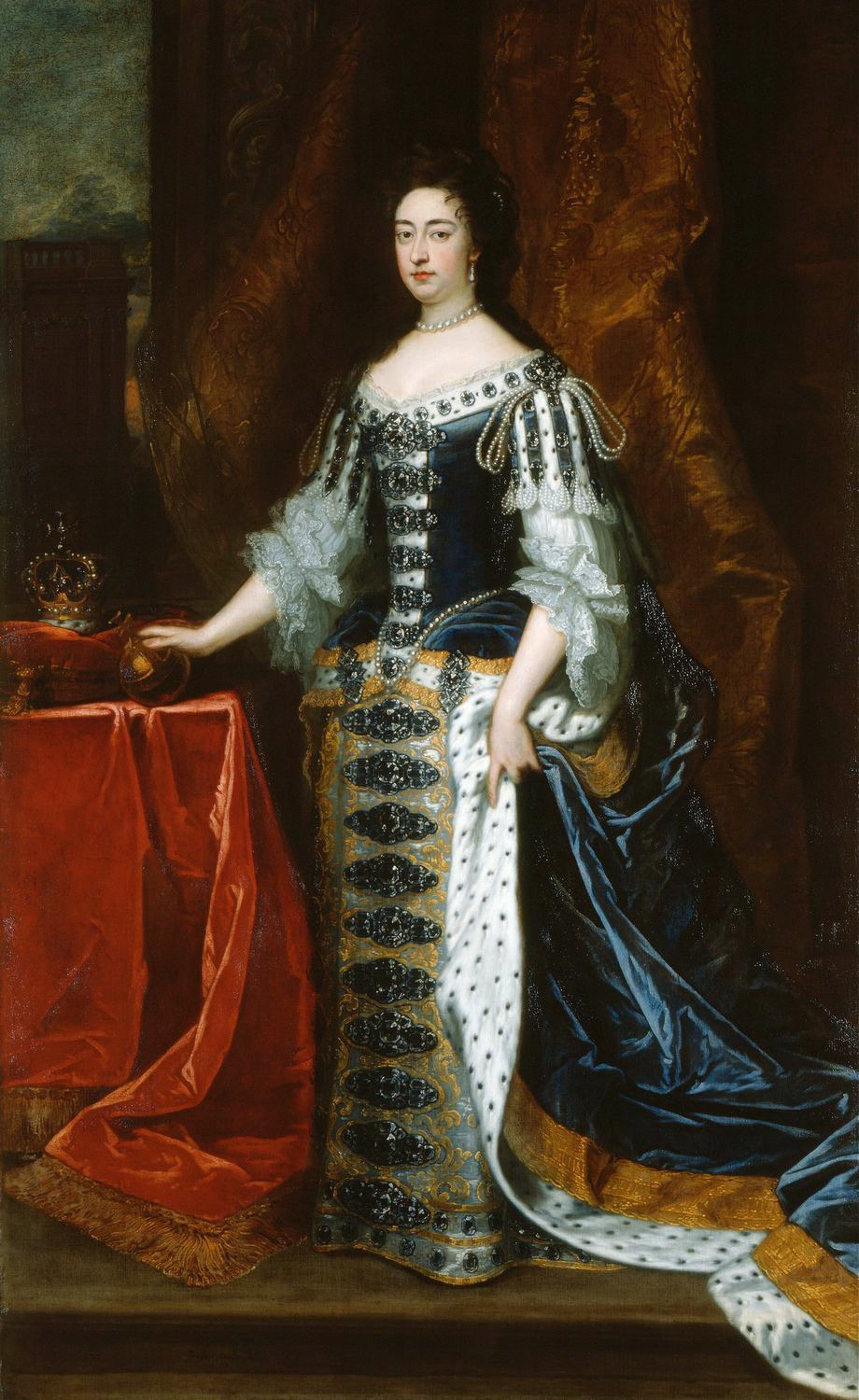
Overview
The year sits early in the reign of Charles II in England and within a decade of major upheavals across Europe and East Asia. It is remembered for events that shaped religious practice in Britain, developments in natural philosophy and statistics, and conflicts affecting colonial control in East Asia.
Notable events
- England and religion: The Act of Uniformity (1662) and the reissue of the Book of Common Prayer imposed a standardized form of worship in the Church of England. The enforcement of the act led to the "Great Ejection," when many nonconformist ministers were expelled from their livings.
- Science and statistics: Early works that contributed to demography and public health appeared in this period, reflecting the growing interest in empirical observation and data collection promoted by learned societies.
- East Asia: Forces loyal to the Ming dynasty reclaimed territory from the Dutch in Taiwan; the campaign and its immediate aftermath had lasting effects on the island's governance and on European colonial presence in the region.
These events are representative rather than exhaustive; political, cultural and intellectual currents across Europe, the Ottoman world, and Asia continued to evolve through treaties, court politics, trade and local conflicts.
Importance and legacy
Several measures enacted or published around 1662 had enduring consequences. The Act of Uniformity shaped Anglican worship and contributed to the expansion of nonconformist traditions in Britain and the colonies. Early statistical and observational publications helped found methods later central to public health and social science. Meanwhile, clashes in maritime Asia influenced colonial expansion and local power balances.
As a calendar year, 1662 is used by historians and archivists when dating documents, legal acts and publications from the mid-17th century. Its events illustrate how legal, scientific and military developments of a single year can feed into longer-term religious, intellectual and geopolitical transformations.
Related articles
Author
AlegsaOnline.com 1662 Leandro Alegsa
URL: https://en.alegsaonline.com/art/111598