
1657
An overview of the year 1657: political events, scientific and cultural developments, colonial context, and notable facts from the mid-17th century.
Overview
The year 1657 was a common year that began on Monday in the Gregorian reckoning; contemporary calendars and national usages varied, as some countries still followed the Julian (Old Style) calendar. It sits in the middle of the 17th century, a period shaped by the political fallout of the Thirty Years' War, the English Civil Wars, and expanding overseas empires.
Image gallery
5 Images


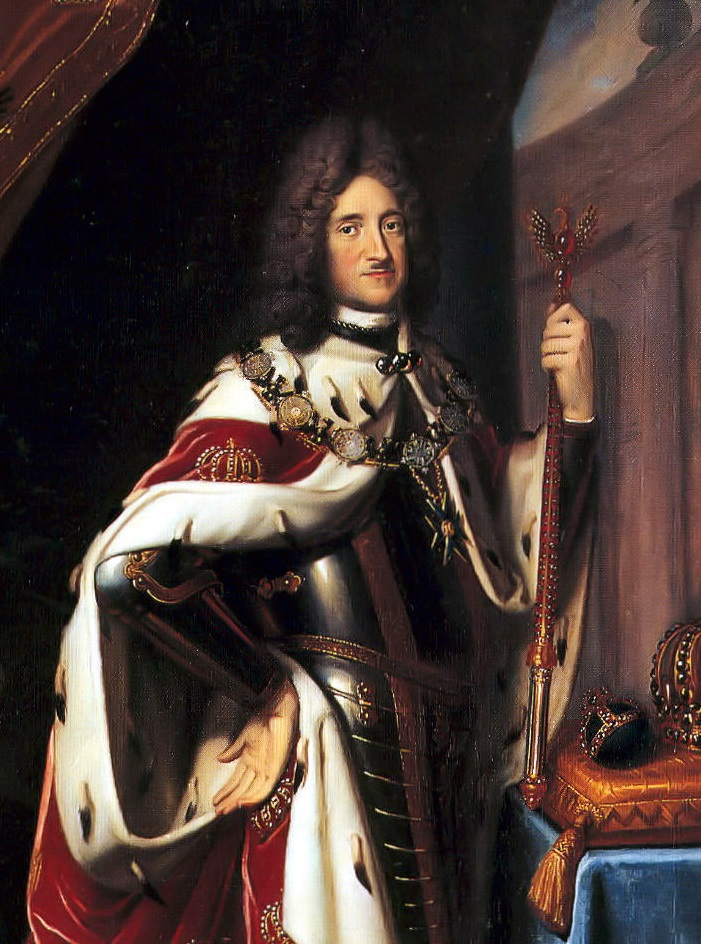
Politics and conflict
In Western Europe the aftermath of previous continental wars continued to influence diplomacy and alliances. In England the republican Protectorate under Oliver Cromwell remained the central authority: 1657 saw constitutional debates that culminated in proposals to restructure governance and succession. England also engaged in maritime conflict with Spain and negotiated alliances with France against Habsburg interests, reflecting shifting coalitions and the increasing role of naval power.
Science, culture and ideas
The mid-1650s were an active time for scientific and artistic innovation. Natural philosophers were refining observational methods and mechanical designs; in the Netherlands and elsewhere craftsmen and scholars were improving clocks and mathematical instruments that would aid navigation and astronomy. Baroque art and literature continued to flourish across Europe, with regional schools — notably in the Dutch Republic, France and Italy — producing influential works and tastes that dominated courtly and civic culture.
Colonies, trade and society
European overseas expansion and Atlantic trade networks expanded in this period. Colonies in North America, the Caribbean, Africa and Asia experienced competition between European powers, driven by commerce in commodities, slaves and shipping. Urban centers in Europe increasingly relied on long-distance trade, which affected social structures, wealth distribution and the growth of mercantile classes.
Notable facts and distinctions
- The year exemplifies the transitional 17th-century mix of monarchical, republican and oligarchic experiments in government.
- Improvements in timekeeping and navigation during the 1650s contributed to more accurate sea travel and scientific measurement.
- Calendar regimes differed by country; for a summary of calendar systems and how years are dated see the calendar entry.
1657 is best understood not only for isolated events but as part of longer cultural, political and technological trends that shaped the later 17th century: contested sovereignties, globalizing trade networks, and accelerating scientific inquiry.
Related articles
Author
AlegsaOnline.com 1657 Leandro Alegsa
URL: https://en.alegsaonline.com/art/111593