
1563 — overview, major events and cultural highlights
A concise account of the year 1563: its calendar placement, major political and religious events including the Council of Trent and the Edict of Amboise, and cultural notes.
Overview
1563 was a common year that began on a Friday in the Julian calendar; contemporary records and later chronologies often mark it by the religious and political settlements reached across Europe. For a basic calendrical note see 1563 and the context of the Julian calendar.
Image gallery
4 Images


Major events and political developments
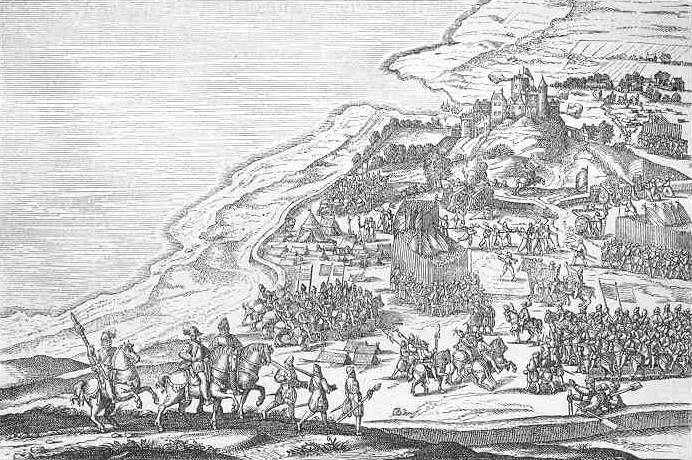
The year is best known for consequential religious and diplomatic moves. In Europe, long-running confessional tensions prompted negotiated settlements that shaped national policies for decades. Notably, a major ecumenical council of the Roman Catholic Church completed final sessions that codified reforms at the heart of the Counter-Reformation; its decrees influenced liturgy, clerical discipline, and doctrinal clarity across Catholic territories.
In France, exhausted by intermittent civil warfare between Protestant and Catholic factions, the crown and nobles reached a compromise granting certain protections and limited toleration to adherents of the Reformed faith. That settlement ended a phase of open warfare and allowed for a fragile, uneasy peace while deeper disputes remained unresolved.
Culture and the arts
Artists and writers continued to produce work reflecting the social and religious tensions of the period. One of the notable paintings dated to this year is Pieter Bruegel the Elder's scene of human ambition and architectural spectacle, which has been widely studied for its symbolic complexity. The visual arts, as well as printing and the book trades, played a role in circulating ideas that underpinned both reforming and conservative movements.
Notable trends and legacy
- Religious reform: the council's conclusions strengthened institutional responses to Protestantism and reshaped Catholic practice.
- Royal policy: temporary political settlements, such as those in France, illustrate the limits of coercion and the early modern preference for negotiated order when possible.
- Cultural output: art and printed material from 1563 reflect the period's anxieties and ambitions.
Although many conflicts continued in subsequent years, the agreements and cultural works associated with 1563 mark it as a turning moment in the mid-16th century, linking doctrinal consolidation with evolving statecraft and artistic expression.
Related articles
Author
AlegsaOnline.com 1563 — overview, major events and cultural highlights Leandro Alegsa
URL: https://en.alegsaonline.com/art/111490