
1527 (year)
1527 was a pivotal year in early modern Europe, dominated by the Sack of Rome. It weakened papal authority, altered the Italian Wars, affected the Renaissance, and fed wider religious and political changes.
1527 was a year of crisis and transition in early modern Europe. It is most remembered for the Sack of Rome, but its significance extends across diplomacy, religion, culture and state formation. The events of 1527 accelerated shifts already underway in the Italian Wars, altered papal prestige, and became part of the wider story of the Reformation and the consolidation of royal power.
Image gallery
6 Images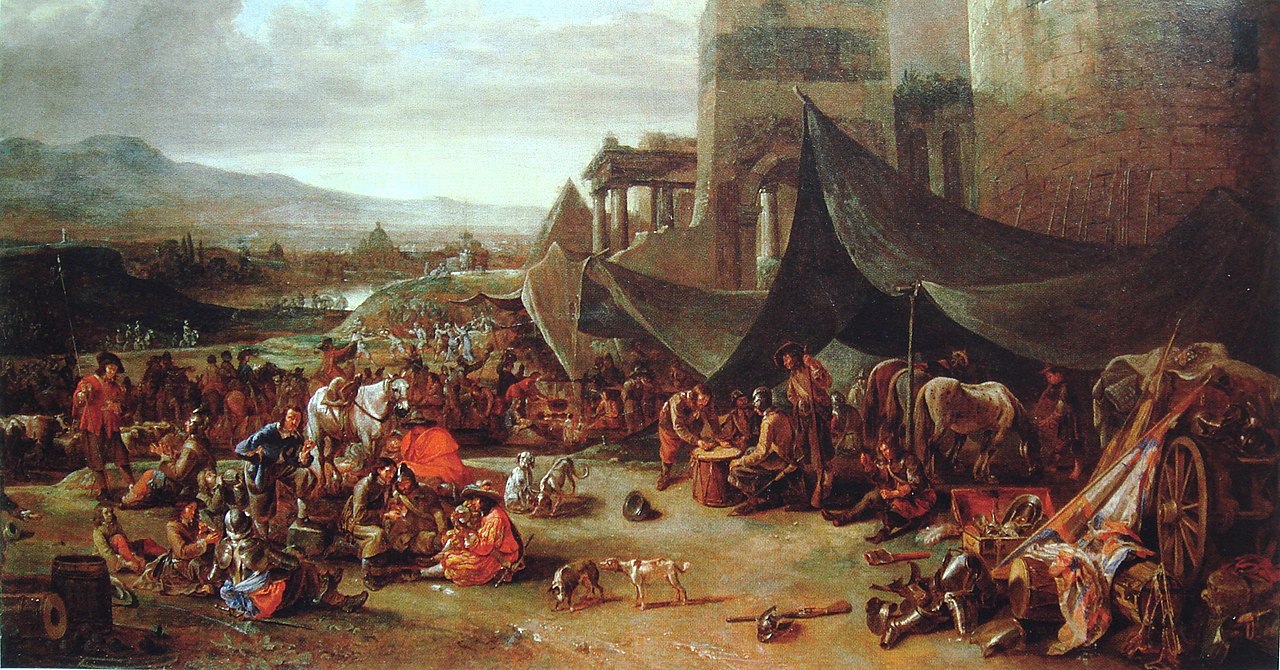




Major events
- Sack of Rome (6 May 1527) — Mutinous troops in the service of Emperor Charles V entered and looted Rome. The force included German landsknechts, Spanish veterans and other mercenaries whose commanders had not been paid; disorder and brutality produced heavy loss of life and large-scale destruction of property. Pope Clement VII took refuge in Castel Sant'Angelo and was effectively a prisoner for a time. Although the emperor did not order the massacre, the sack decisively weakened the political and military position of the papacy.
- Italian political upheaval — The violence in Rome reverberated through the Italian peninsula. Several city-states experienced coups, revolts or changes of government as local elites and foreign powers reassessed alliances. Florence briefly restored republican institutions after Medici influence was expelled in the upheaval, and the balance between French and Habsburg interests in Italy was further unsettled.
- Religious and diplomatic consequences — The sack intensified criticism of the Church among some Protestant reformers, who pointed to papal vulnerability and corruption. It also forced Pope Clement VII into more cautious diplomacy with Charles V and reshaped subsequent negotiations in the Italian Wars.
Wider cultural and political impact
The shock of the sack had an immediate cultural effect: artists, patrons and scholars dispersed, commissions were interrupted, and Rome’s role as the chief locus of High Renaissance patronage was diminished. Contemporary observers interpreted the disaster in moral, religious and political terms. In broader European politics, 1527 was a moment when ambitious monarchs and emergent centralized states took opportunities created by Italian instability to pursue their own agendas.
Other notable developments and figures
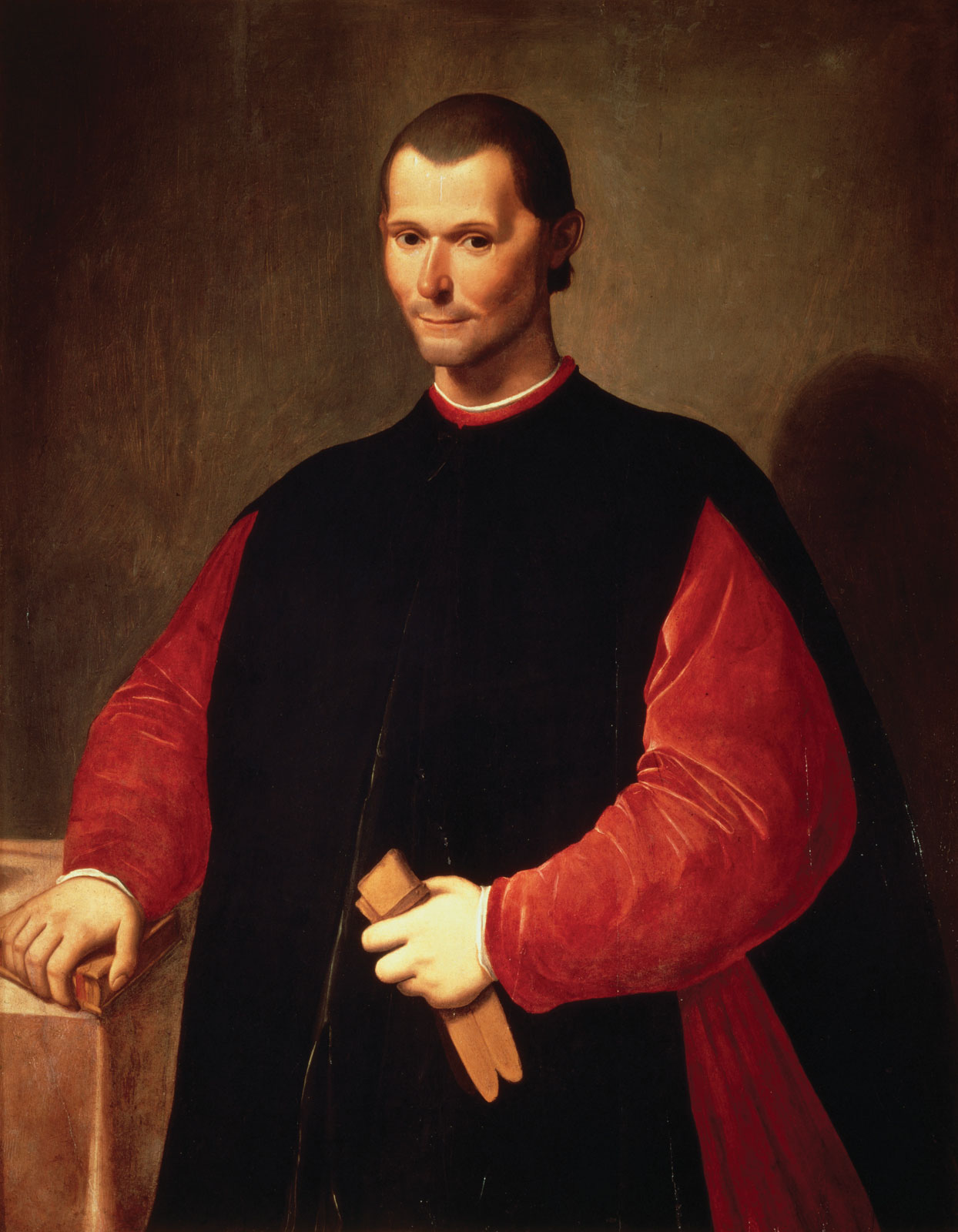
- Niccolò Machiavelli — The Florentine political writer and diplomat died in 1527; his works on civic republicanism and statecraft remained influential amid the year’s turbulence.
- Henry VIII of England — Around 1527 Henry intensified efforts to obtain an annulment of his marriage to Catherine of Aragon, an episode that would contribute to the later English break with Rome.
- Charles V and Clement VII — Their relationship and mutual calculations were deeply affected by the sack; the pope’s loss of leverage changed the course of subsequent diplomacy in Italy and beyond.
Although one year cannot fully explain long-term transformations, 1527 stands out as a hinge moment. Military breakdown, political realignment and cultural dislocation combined to accelerate changes already underway in the sixteenth century, with consequences for the Renaissance, the Reformation and the evolving map of European power.
Related articles
Author
AlegsaOnline.com 1527 (year) Leandro Alegsa
URL: https://en.alegsaonline.com/art/111452