
Bewitched: American fantasy sitcom about a witch in suburbia
Bewitched (1964–1972) is an American sitcom about Samantha Stephens, a witch married to a mortal. The series mixed domestic comedy and light fantasy, noted for its nose-twitch magic, casting changes, and cultural impact.
Bewitched is an American television sitcom that aired on the ABC network from 1964 to 1972. The series centers on Samantha Stephens, a witch who marries a mortal man and attempts to live a conventional suburban life while occasionally using magic. The program combined domestic situational comedy with light fantasy elements and gentle social satire aimed at mid-20th-century suburban norms. For broadcast history and scheduling notes, see original broadcast details.
Image gallery
6 Images

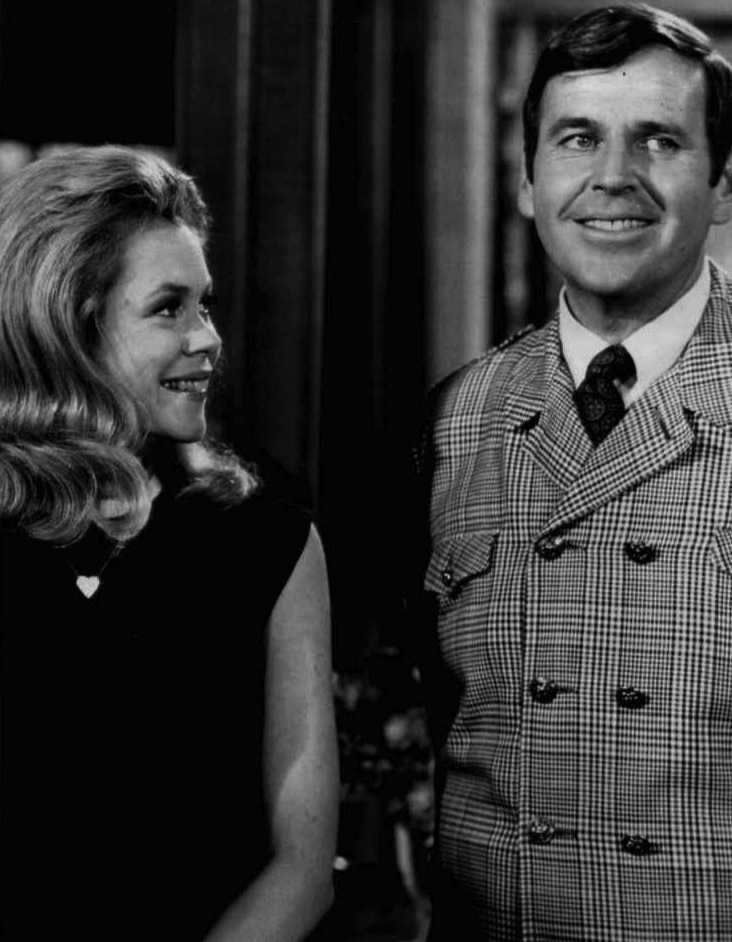


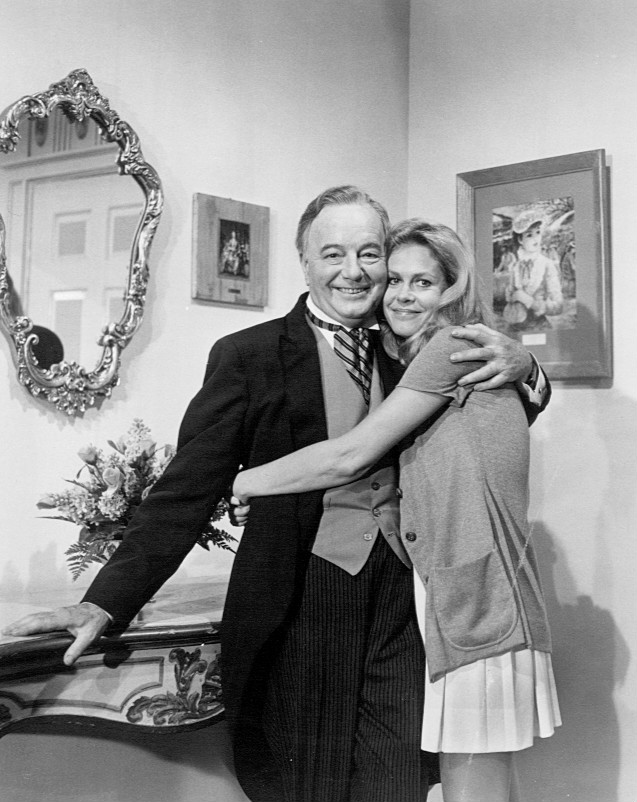
Principal characters and cast
The core characters are Samantha Stephens and her husband Darrin Stephens. Samantha, portrayed throughout the series by Elizabeth Montgomery, is known for using a distinctive nose twitch or hand gesture to cast spells. Darrin is an advertising executive who prefers that Samantha conceal her powers to better fit ordinary society. He was played by Dick York from 1964 to 1969 and, after York left the series for health reasons, by Dick Sargent from 1969 to 1972. Samantha's mother, Endora, played by Agnes Moorehead, is a memorable recurring character who often opposes Darrin and complicates the Stephens household dynamics. For more on Elizabeth Montgomery's career, see Elizabeth Montgomery, and for information about Dick York, see Dick York.
Premise, style, and recurring elements
Typical episodes revolve around the clash between everyday suburban problems and magical solutions. Much of the humor derives from misunderstandings, well-timed sight gags, and the reactions of non-magical characters to impossible occurrences. The nose twitch and instantaneous transformations became signature visual motifs; writers and directors relied on practical and off-screen effects to create the show's whimsical atmosphere. Storylines often touched on themes such as marriage, identity, tolerance, and the role of women at home and in the workplace within the cultural context of the 1960s and early 1970s.
Production and broadcast
The series was created by Sol Saks and produced by William Asher. It began its run in black-and-white and switched to color cinematography after the first season. Bewitched enjoyed a long run of eight seasons, sustained by a rotating roster of guest stars and recurring members of Samantha's magical extended family. The production blended traditional sitcom setups with the demands of a show that required frequent special effects and character-driven fantasy plots. More on the program's production history and episode guides can be found at series production history.
Reception, legacy and adaptations
During and after its original run Bewitched became a touchstone for portrayals of witches and supernatural beings in mainstream television, helping to normalize the figure of a fantastical character within a modern family setting. The series has been cited as an influence on later comedies that mix genre elements with family life. In the 2000s a feature film adaptation revisited the premise for a contemporary audience, reflecting the show's enduring presence in popular culture. For commentary on witchcraft in media and popular culture, consult witchcraft in popular culture.
Notable facts
- Elizabeth Montgomery remained the series' lead for its entire run, and the role became strongly associated with her public image.
- The mid-series replacement of Dick York by Dick Sargent is one of the more prominent casting changes in classic American television.
- Endora, Samantha's mother, is remembered as a comic foil who often represented the values of the magical world in opposition to mortal society.
- The show mixed standard sitcom formula with recurring fantasy motifs, influencing later genre blends on television.
Bewitched continues to be discussed in studies of television history and popular culture for its combination of humor, fantasy, and social commentary, and it remains a frequently referenced example of how genre television can engage with everyday domestic themes.
Related articles
Author
AlegsaOnline.com Bewitched: American fantasy sitcom about a witch in suburbia Leandro Alegsa
URL: https://en.alegsaonline.com/art/11126