
Zuma (Neil Young album)
Zuma is a 1975 rock album by Neil Young featuring Crazy Horse, noted for its raw electric sound and the long, iconic song "Cortez the Killer." It marked a renewed collaboration with Crazy Horse.
Overview
Zuma is a mid‑1970s studio album by Neil Young, released in November 1975 (release details). It is widely regarded as a return to the loose, guitar‑driven style Young explored with his backing group Crazy Horse. The record mixes extended electric jams with shorter rock songs and showcases a stripped, immediate production aesthetic.
Image gallery
1 Image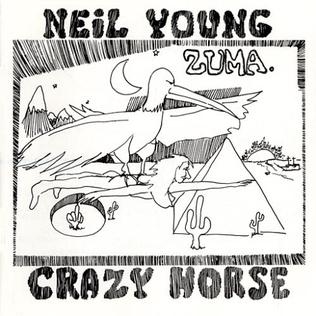
Personnel and recording
The sessions that produced Zuma reunited Young with members of Crazy Horse, bringing together veteran rhythm parts and a newer guitar voice that helped shape the album's sound. Recording emphasized live interplay and spontaneous performances rather than dense studio layering. This approach resulted in performances that are often described as raw, volatile and emotionally direct.
Music and notable tracks
The album is best known for the sprawling, atmospheric track "Cortez the Killer," an extended electric piece that combines narrative lyricism with long instrumental passages. Alongside that centerpiece, the record contains more concise rock numbers that balance melody and grit. The contrast between epic tunes and compact songs gives the album a dynamic flow.
Reception and legacy
Upon release, Zuma was praised by many critics and fans for re‑energizing Young's electric work and for the chemistry with Crazy Horse. Over time it has been cited as an influential example of loose, album‑length rock that favors feel and momentum over studio polish. Several tracks, particularly "Cortez the Killer," remain staples in discussions of Young's most enduring work.
Distinguishing features
- Emphasis on long-form electric guitar improvisation and sparse production.
- Collaboration with Crazy Horse that reinforced the group's reputation as Young's most instinctive backing band.
- Contains at least one track that has entered popular critical discourse as a highlight of Young's songwriting from the period.
For further details on track listings, session dates and contemporary reviews, consult dedicated discographies and music histories that document Young's mid‑1970s recordings and career trajectory.
Related articles
Author
AlegsaOnline.com Zuma (Neil Young album) Leandro Alegsa
URL: https://en.alegsaonline.com/art/110763