
12-inch single (vinyl record format)
A 12-inch single is a vinyl record format commonly used for extended, high-fidelity dance and club tracks. It offers wider grooves and is often cut at 45 RPM for improved sound and louder bass.
The 12-inch single is a format of vinyl record characterized by a twelve-inch diameter and groove spacing intended to improve playback quality. Compared with smaller single formats, the 12-inch allows wider, more widely spaced grooves and longer run times per side, which can yield greater dynamic range, louder mixes and enhanced bass response when properly mastered and pressed. The physical object is one variety of gramophone record.
Image gallery
3 Images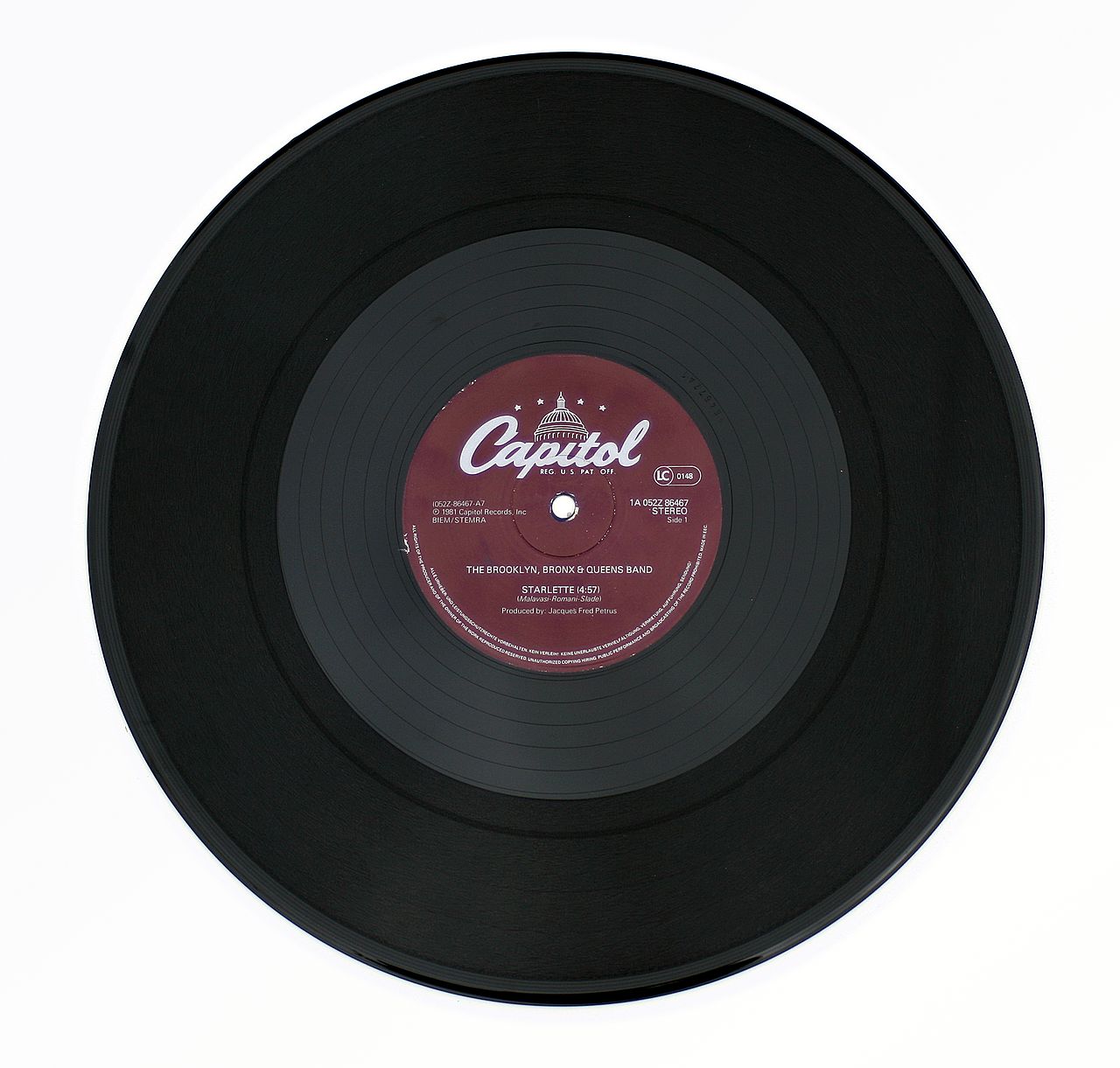


Physical characteristics and playback
Most 12-inch singles are cut either at 45 RPM to prioritize fidelity and punch or at 33⅓ RPM to accommodate longer tracks. The larger surface area permits engineers to reduce groove compression, often resulting in clearer transients and stronger low frequencies—features prized for club sound systems. Pressings may vary by vinyl quality and weight; some are produced with heavier vinyl for perceived durability and stability.
Origins and development
The format gained prominence in the 1970s as record producers and remixers sought versions of songs tailored for dancefloors. Extended mixes, instrumental breakdowns and remixes were made to keep dancers moving and to give disc jockeys flexible material for mixing. This connection to dance and DJ culture helped the 12-inch single become a standard medium for club-oriented releases.
Uses and examples
Record labels and artists use 12-inch singles for several purposes:
- Extended or club mixes: Longer, rearranged takes meant for DJs.
- Promotional copies: Sent to radio stations and clubs to promote singles.
- Remixes and dub versions: Alternate interpretations emphasizing rhythm and texture.
- Collectors' editions: Special colors, picture sleeves, or limited pressings sought by fans.
Because of these features, the 12-inch single became a tool for both artistic experimentation and practical DJing, bridging studio production with live dancefloor needs.
Distinctions and notable facts
It differs from the 7-inch single mainly in capacity and expected use: 7-inch records traditionally house short radio-friendly versions, while 12-inch issues focus on fidelity and extended play. DJs favor 12-inch singles for their sound quality and easier cueing. Collectors also value early or rare pressings for historical and aesthetic reasons.
Today the 12-inch single remains an important format in electronic, dance, hip-hop and pop subcultures, used both for new releases and reissues that emphasize sound quality and remix culture.
Related articles
Author
AlegsaOnline.com 12-inch single (vinyl record format) Leandro Alegsa
URL: https://en.alegsaonline.com/art/111118