
(Shake, Shake, Shake) Shake Your Booty
1976 disco single by KC and the Sunshine Band, written by Harry Wayne Casey and Richard Finch. A U.S. No. 1 dance hit known for its upbeat groove and controversy over suggestive lyrics.
Overview
"(Shake, Shake, Shake) Shake Your Booty" is a 1976 dance single by KC and the Sunshine Band, written and produced by Harry Wayne Casey and Richard Finch. Released on the album Part 3, it became one of the group's best-known recordings and a defining tune of the mid-1970s disco era. The recording is often cited as a staple of classic disco playlists and popular dance floors.
Image gallery
1 Image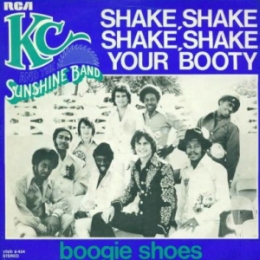
Composition and style
The track blends upbeat disco rhythms with funk-influenced horn lines, a driving bass, and call-and-response vocals. Its arrangement emphasizes a tight groove intended for dancing, while the repetitive chorus—inviting listeners to "shake your booty"—makes it instantly memorable. Musically and lyrically, it exemplifies the accessible party spirit of mainstream disco.
Release and reception
Upon release the single climbed popular and R&B charts in the United States and earned widespread radio play. It reached the top position on the Billboard Hot 100 and on contemporary soul/rhythm-and-blues charts. The song helped consolidate KC and the Sunshine Band's commercial success and increased their visibility on both pop and dance charts. For more on the single's history see song details and the band's profile at artist overview.
Lyrics and controversy
Although the song's lyrics are brief and centered on dancing, some listeners and commentators at the time judged them sexually suggestive. That reaction prompted discussion about decency and commercial radio standards; in certain markets broadcasters restricted or debated airplay. Coverage of those reactions can be found at contemporary sources and retrospectives such as reviews and commentary.
Legacy and notable facts
- The single became one of KC and the Sunshine Band's signature tunes and a fixture at dance events and retro compilations.
- It illustrates the crossover of disco into mainstream pop radio during the 1970s and the tensions that sometimes accompanied sexually suggestive material on the airwaves.
- For chart context and historical placement consult chart histories like major chart listings.
Today the song is remembered for its catchy hook and role in the disco movement rather than as a controversial outlier; it continues to be referenced in popular culture and retrospective surveys of the period.
Related articles
Author
AlegsaOnline.com (Shake, Shake, Shake) Shake Your Booty Leandro Alegsa
URL: https://en.alegsaonline.com/art/110886