
Zarrineh — town in Kurdistan Province, Iran
Zarrineh is a small Kurdish-speaking town in Iran's Kurdistan Province. Known locally by Kurdish and Persian names, it had 1,272 residents in 2006 and reflects the region's rural culture and economy.
Overview
Zarrineh is a small town located in Iran's Kurdistan Province. The place is known by both Kurdish and Persian names; in Kurdish it is rendered as Zerrîne and in Persian as زرینه. The Persian-derived name Zarrineh is related to the word for "golden" and is shared by a number of settlements and geographic features elsewhere in Iran.
Image gallery
2 Images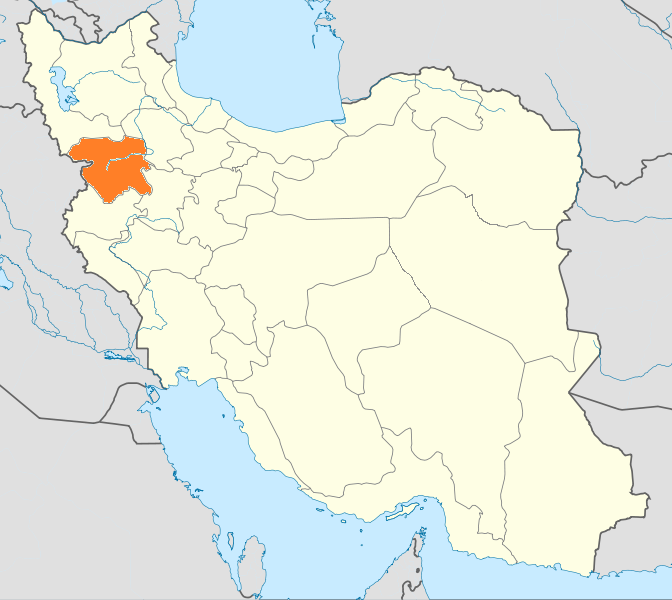

Name, language and religion
Residents of Zarrineh speak the Kurdish language as their primary vernacular, and the town's Persian name is noted in official records as زرینه. The population follows the Islamic faith, reflecting the religious makeup common across much of the Kurdistan region. Administratively the town lies within the country of Iran.
Demographics
According to the 2006 national census, Zarrineh had a population of 1,272 people living in 266 families. This size places it among the smaller towns and large villages of the province, where many settlements have populations ranging from a few hundred to a few thousand inhabitants. Population figures may have changed since the last published census.
Economy and daily life
The local economy in towns like Zarrineh is typically based on a mixture of agriculture, livestock rearing and small-scale trade or crafts. Households often combine subsistence farming with seasonal labor and market sales of produce or handmade goods. Social life centers on family ties, local markets and religious occasions.
History and regional context
Zarrineh sits within the larger historical and cultural landscape of Iranian Kurdistan, a region with a long history of settlement, tribal organization and grassroots cultural expression. While Zarrineh itself is not widely recorded for major historical events, its identity is shaped by the broader patterns of Kurdish language, culture and rural life in the Zagros highlands.
Key points
- Small Kurdish-speaking town in Iran's Kurdistan Province.
- Persian nameزرینه and Kurdish form Zerrîne reflect local bilingual naming.
- Population recorded as 1,272 in 2006; primarily Muslim.
- Typical rural economy: agriculture, livestock and local trade.
Related articles
Author
AlegsaOnline.com Zarrineh — town in Kurdistan Province, Iran Leandro Alegsa
URL: https://en.alegsaonline.com/art/110419
Sources
- web.archive.org : "Wayback Machine"