
Żejtun, a town in southeastern Malta
Żejtun (Maltese Iż-Żejtun) is a historic town in southeastern Malta known for its parish church, agricultural heritage, and the civic title Città Beland.
Żejtun is a town in the South Eastern Region of Malta. It is traditionally known in Maltese as Iż-Żejtun. The locality had a population of about 11,508 in March 2014 and combines a compact historic core with surrounding residential and agricultural areas. Żejtun functions today as a local administrative and cultural centre for its neighbourhood.
Image gallery
10 Images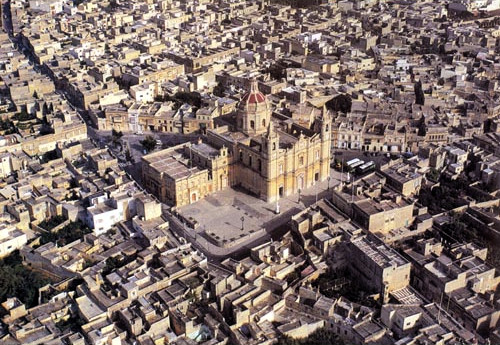


Name and character
The town's name reflects its long association with olive trees and cultivation: the root of the toponym is widely connected with the Semitic word for olive. Over time the settlement was also called Casal Santa Caterina in reference to its patron saint. Żejtun's streets, parish buildings and chapels give it a characteristic Maltese townscape of narrow lanes, civic gardens and prominent church façades.
History and development
Żejtun developed as a medieval village that expanded across the early modern period into a larger parish community. Its growth was shaped by agriculture, local crafts and parish life. The town's historic centre contains structures from different eras, reflecting periods of rebuilding and enlargement linked to demographic and economic change.
Landmarks and built heritage
The parish church dominates the town visually and socially, with a large interior used for communal rites and seasonal festivals. Scattered around Żejtun are smaller chapels and civic buildings that speak to the locality's religious and communal traditions. The surrounding countryside retains examples of field walls, terraces and trees that recall older patterns of land use.
Culture, economy and events
Local life mixes residential services, small-scale commerce and remaining agricultural activity. Annual religious feasts and neighbourhood events play a central role in civic identity. Residents and visitors encounter traditional crafts, local food and community organisations that sustain social ties.
Notable facts
- Żejtun holds the civic title Città Beland and was previously known as Casal Santa Caterina.
- Its Maltese name, Iż-Żejtun, appears in cultural and administrative contexts.
- The town illustrates typical Maltese layers of settlement history, combining religious, agricultural and urban elements.
For visitors and researchers, Żejtun offers an accessible example of a Maltese parish town where historical continuity, local tradition and modern life intersect within a compact urban fabric.
Related articles
Author
AlegsaOnline.com Żejtun, a town in southeastern Malta Leandro Alegsa
URL: https://en.alegsaonline.com/art/110476
Sources
- secure2.gov.mt : "Estimated Population by Locality 31st March, 2014" · webcitation.org
- melitensiawth.com : "The Order of St. John in Maltese folk-memory"
- mhs.eu.pn : "O Melita infelix - A poem on the Great Siege written in 1565"