
Zadar County, Croatia
Zadar County is a coastal region in northern Dalmatia, centered on the city of Zadar. It includes many islands, national parks, a mix of tourism, agriculture and maritime heritage.
Zadar County is an administrative region on the Adriatic coast of Croatia. Its administrative centre and largest city is the city of Zadar, while the county seat provides regional services, cultural institutions and transport links. The county combines mainland highlands and a long, indented coastline with many inhabited and uninhabited islands.
Image gallery
10 Images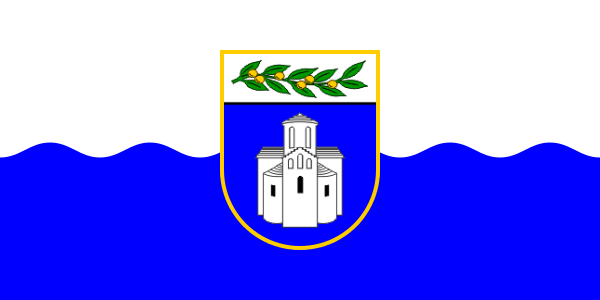

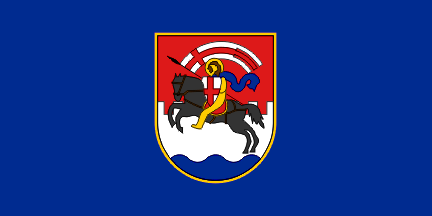


Geography and protected areas
The landscape ranges from the karst Velebit mountains to low coastal plains and numerous islands such as Pag and Dugi Otok. Several well-known protected areas are located in or adjacent to the county: Velebit, Paklenica and Telašćica national parks, each offering distinct features—mountain ridges, dramatic canyons and sheltered bays respectively.
History and culture
The region has a long human presence visible in Roman ruins, medieval churches and Venetian-era fortifications in the old town of Zadar. Traditional crafts, local music and coastal cuisine reflect centuries of maritime trade and agricultural life. Island communities maintain their own customs, including culinary products and textile arts.
Economy and transport
Tourism is a major economic driver, focused on beaches, cultural sites and nature tourism in the parks. Agriculture, olive oil, wine, fishing and salt production remain important in rural areas; artisanal products such as island cheeses and lace are regionally famous. The county is served by road and ferry connections that link islands to the mainland and to larger Croatian transport routes.
Places of interest and administration
- Zadar historic centre and waterfront installations
- Beaches and marinas along the coast
- National parks and hiking areas on Velebit and nearby islands
- Island towns with traditional crafts and gastronomy
The county is administered through municipalities and towns that manage local services and development. Its mixture of natural beauty, cultural heritage and maritime economy makes Zadar County a notable part of Croatia's Adriatic region.
Related articles
Author
AlegsaOnline.com Zadar County, Croatia Leandro Alegsa
URL: https://en.alegsaonline.com/art/110332
Sources
- dzs.hr : Statistički ljetopis Republike Hrvatske 2015
- worldcat.org : 1333-3305
- dzs.hr : "Population by Age and Sex, by Settlements, 2011 Census"
- tools.wmflabs.org : 44°01′05″N 15°53′42″E / 44.018°N 15.895°E / 44.018; 15.895