
Yves Bonnefoy: French poet, translator and art critic
Overview of Yves Bonnefoy (1923–2016), his poetry, translations of Shakespeare, art criticism, teaching at the Collège de France, and his influence on modern French literature.
Overview
Yves Jean Bonnefoy (24 June 1923 – 1 July 2016) was a leading French writer celebrated as a poet, art critic and translator. Born in Tours, he spent much of his career in Paris and taught at the Collège de France from 1981 to 1993. He published widely in both verse and prose and died in Paris in 2016.
Image gallery
2 Images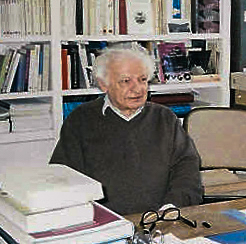

Poetry and style
Bonnefoy's poetry is often described as a searching attempt to reclaim presence and reality in language. Rejecting purely ornamental or overly symbolic modes, his poems pursue directness, the experience of encountering things and persons, and an ethical attention to how language names the world. Critics note his interest in the limits of expression, the persistence of doubt, and a recurrent concern with absence and return. This temperament gave his work a blend of philosophical depth and lyrical clarity.
Translations and scholarly work
Bonnefoy devoted considerable effort to translation, publishing many renditions into French, most notably of poems by William Shakespeare. His translations aimed to preserve both the musicality and the semantic density of the originals while making them resonate in contemporary French. In parallel he authored essays and studies on visual art and artists, contributing to the fields of art history and criticism.
Relations with visual art
Throughout his life Bonnefoy maintained a close dialogue with painters and sculptors. He wrote about and engaged with figures such as Joan Miró and Alberto Giacometti, exploring how poetic and visual practices inform one another. His prose on art examines perception, space, and the presence of the figure, and it helped shape contemporary conversations about visual representation.
Reception and influence
Bonnefoy is widely regarded as one of the major French poets of the postwar period; reference works have called him "perhaps the most important French poet of the latter half of the 20th century." His work influenced successive generations of poets, critics and translators and remains a touchstone in studies of modern French literature. He also contributed to public intellectual life through teaching and essays on literature and art.
Key aspects and further reading
- Principal roles: poet, critic, translator — see biographical notes under poet and translator.
- Major concerns: presence, language, perception, the limits of expression.
- Art connections: writings on Miró and Giacometti; contributions to art history.
- Life and places: born in Tours, long associated with Paris and the Collège de France.
- Selected resources and translations: consult collections of his poems and translations, and critical studies available at major libraries and literary archives (see entries under art criticism and Shakespeare translations).
Related articles
Author
AlegsaOnline.com Yves Bonnefoy: French poet, translator and art critic Leandro Alegsa
URL: https://en.alegsaonline.com/art/110290
Sources
- books.google.com : Google Books
- corlevour.fr : "Yves Bonnefoy. Bio-Bibliographie"
- global.britannica.com : Global.britannica.com