
Zinc fluoride (ZnF2) — properties, preparation, uses, and safety
Zinc fluoride (ZnF2) is an inorganic ionic compound of Zn2+ and F−. It is a white crystalline solid with distinct structural and chemical properties, limited solubility, laboratory uses, and standard fluoride hazards.
Overview: Zinc fluoride is a binary inorganic salt composed of zinc and fluoride ions with the formula ZnF2. It normally appears as a white crystalline solid and is classified as an ionic compound formed by Zn2+ cations and F− anions. For a concise compound overview and basic data consult standard references.
Image gallery
2 Images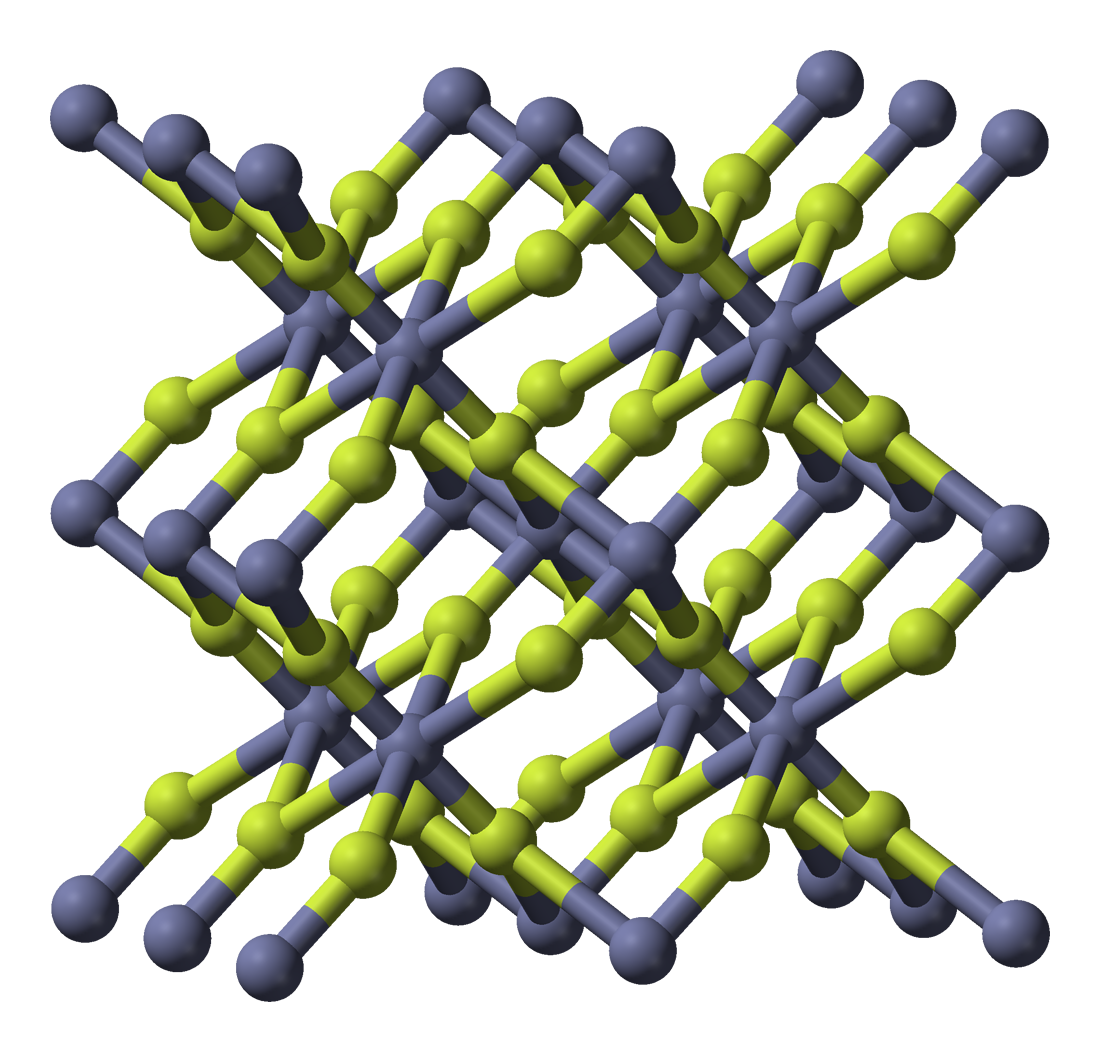

Characteristics and structure
ZnF2 is notable for its crystalline lattice and relatively strong ionic bonding. The solid adopts a rutile-type arrangement in which each zinc atom is surrounded by six fluoride ions in a distorted octahedral coordination. This organization gives the material good thermal stability and a high melting point compared with many molecular salts. It is typically white, hard to dissolve in organic solvents, and has only limited solubility in water compared to other zinc halides.
Preparation and chemical behaviour
Common laboratory methods prepare zinc fluoride by reacting metallic zinc or zinc oxide with hydrofluoric acid, or by metathesis of soluble zinc salts with fluoride sources. In solution it provides fluoride ions and behaves as a source of F− in synthetic chemistry. It is not strongly hydrolysed under neutral conditions, though concentrated acids or bases change its speciation. As with many metal fluorides, it resists facile reduction or oxidation under mild conditions.
Uses and applications
Zinc fluoride is used mainly in research, materials science, and as a reagent. Typical applications include serving as a fluoride source in inorganic syntheses, precursors for specialty ceramics and certain optical materials, and as a subject of structural studies in solid-state chemistry. For more information on zinc and fluoride contexts see zinc and fluoride resources.
Safety, handling and distinctions
Fluoride compounds require cautious handling because they can be toxic if ingested and may cause skin or eye irritation; hydrofluoric acid and soluble fluoride salts are particularly hazardous. Zinc fluoride itself is less volatile than HF but should be handled with appropriate personal protective equipment and waste controls. Compared with other zinc halides (for example ZnCl2), ZnF2 is generally less soluble and more ionic in character; unlike deliquescent zinc chloride, ZnF2 does not readily absorb moisture from air. See safety data and regulatory guidance via safety information.
- Key ions: Zn2+ and F−
- Appearance: white crystalline powder
- Common uses: reagent, materials research, optical/ceramic precursors
Related articles
Author
AlegsaOnline.com Zinc fluoride (ZnF2) — properties, preparation, uses, and safety Leandro Alegsa
URL: https://en.alegsaonline.com/art/110625