
Yuma, Arizona
Yuma is a city and the county seat of Yuma County in southwestern Arizona, a desert community on the Colorado River known for agriculture, military installations, historic sites, and abundant sunshine.
Yuma is a city and the county seat of Yuma County, in the southwestern corner of Arizona, United States. According to mid-2000s U.S. Census estimates the city had roughly 84,688 residents; the municipality and the surrounding region serve as a regional center on the lower Colorado River close to the border with Mexico. Yuma sits within the Sonoran Desert and functions as a local hub for trade, services and outdoor recreation.
Image gallery
10 Images
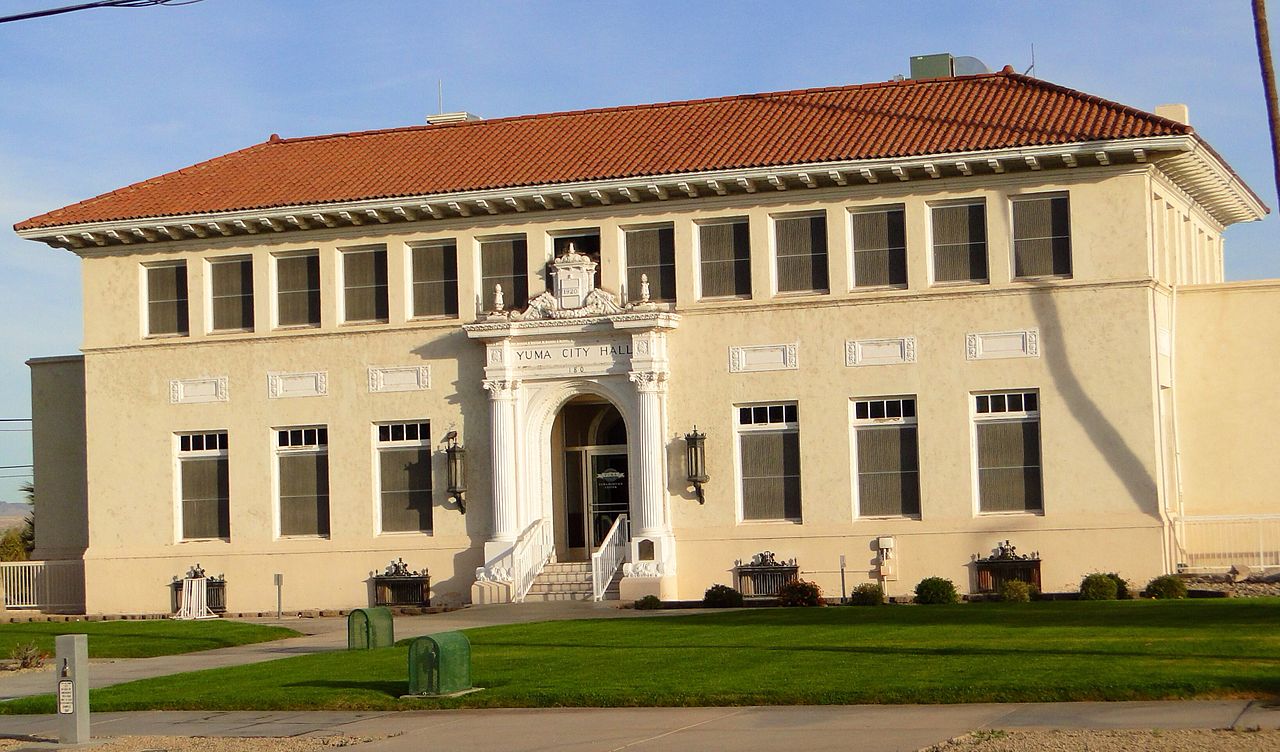


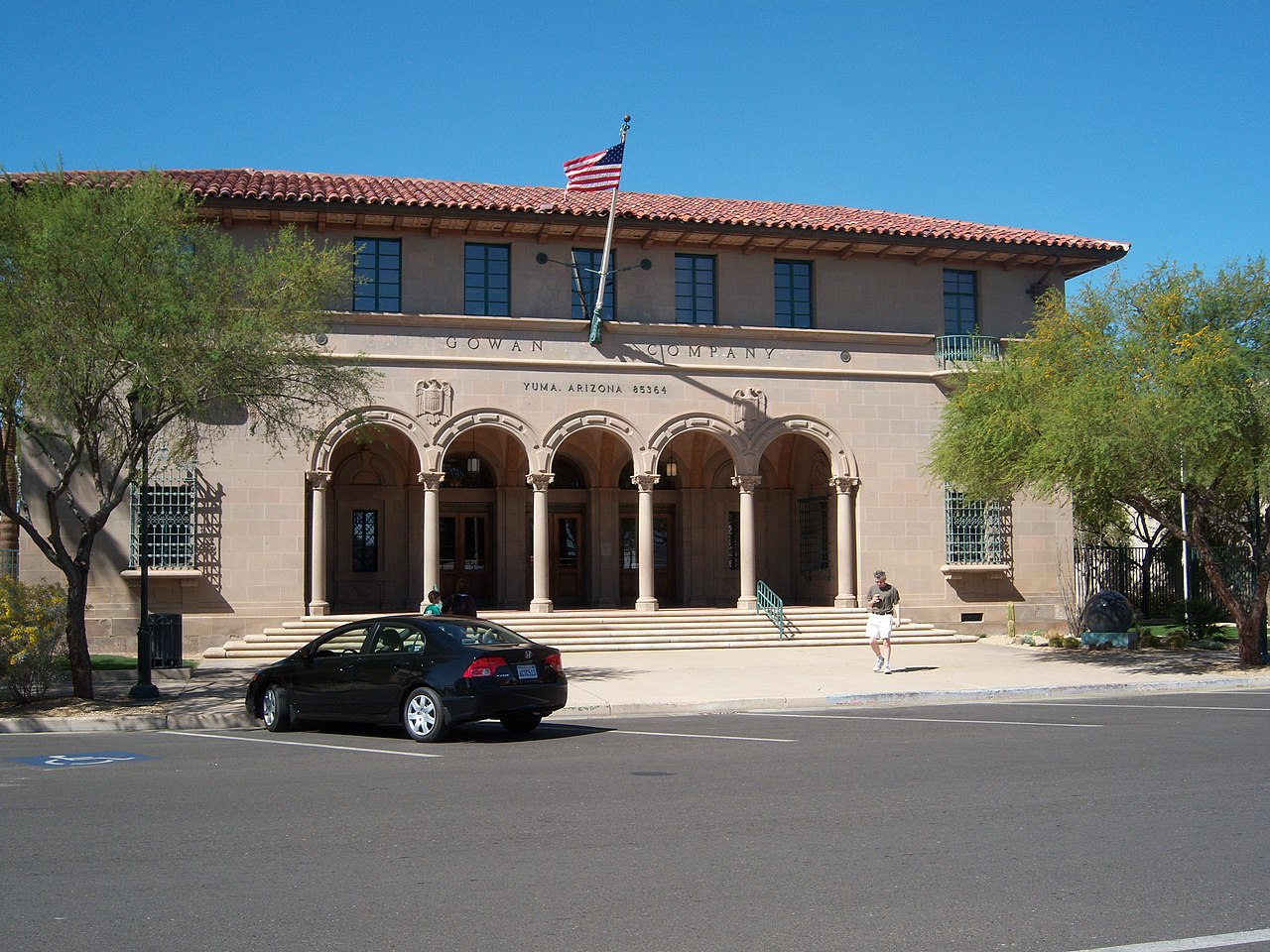


Geography and climate
Yuma occupies flat valley terrain at the convergence of desert and river environments. The Colorado River provides irrigation that supports intensive agriculture in an otherwise arid landscape. The area has a hot desert climate characterized by very hot summers, mild winters and exceptionally high sunshine totals; it is commonly cited among the sunniest places in the United States. Seasonal floods were tamed historically by dams and irrigation projects that shaped modern land use.
History and development
The Yuma region has been occupied for millennia by Indigenous peoples of the Yuman language family. European-American settlement increased in the 19th century after the location emerged as an important crossing of the Colorado River on westward routes. Military forts, a territorial prison, and later railroad and highway connections established Yuma as a strategic transportation and supply point. Historic buildings and parks preserve elements of the frontier and territorial periods.
Economy, military and agriculture
Yuma's economy combines agriculture, defense and services. The irrigated valley produces a large share of winter vegetables and leafy greens consumed in the United States; growers rely on seasonal labor and year-round water management. Military installations — including testing ranges and an air station — contribute significant employment and technological activity. Cross-border commerce and tourism also play important roles.
Attractions and local life
- Historic sites: Yuma Territorial Prison State Historic Park and the Quartermaster Depot recall the city's 19th-century past.
- Yuma Crossing: Part of a National Heritage Area along the Colorado River offering trails, interpretive exhibits and river access.
- Outdoor recreation: Boating, fishing, birdwatching and desert hiking are popular year-round activities.
- Events and culture: Local fairs, farmers markets and cultural programs reflect the agricultural calendar and borderland heritage.
Travelers reach Yuma by highway, regional airport and nearby border crossings; the city functions as a gateway between the desert lowlands of Arizona, California’s Imperial Valley and northern Mexico. Its mix of historic sites, productive farmland and military facilities gives Yuma a distinctive place in the economy and history of the American Southwest.
Related articles
Author
AlegsaOnline.com Yuma, Arizona Leandro Alegsa
URL: https://en.alegsaonline.com/art/110224
Sources
- census.gov : "Annual Estimates of the Population for All Incorporated Places in Arizona"