
Betamax: Sony's home videotape format and its legacy
Betamax (Beta) was Sony's 1975 consumer videotape format. Known for image quality and several professional spinoffs, it lost mass-market adoption to VHS but influenced broadcast formats and preservation efforts.
Overview
Betamax, commonly called Beta, is an analog videotape cassette format introduced by Sony in 1975. It was one of the earliest widely available consumer videotape systems and used a compact cassette to record television programs and home video. The format is often discussed alongside competing systems of the era, especially VHS, and is an important example in the history of home media and format competition.
Image gallery
9 Images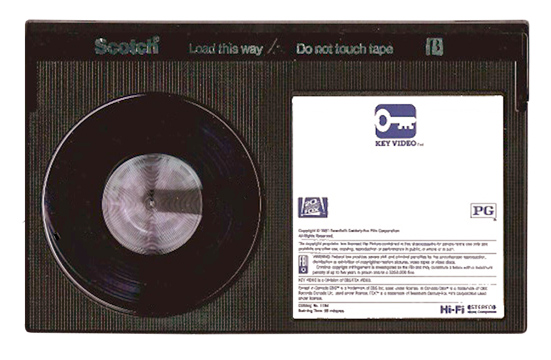



Design and variants
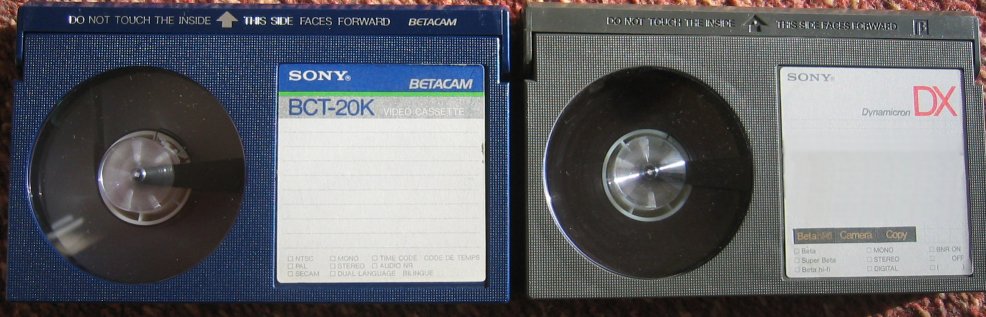
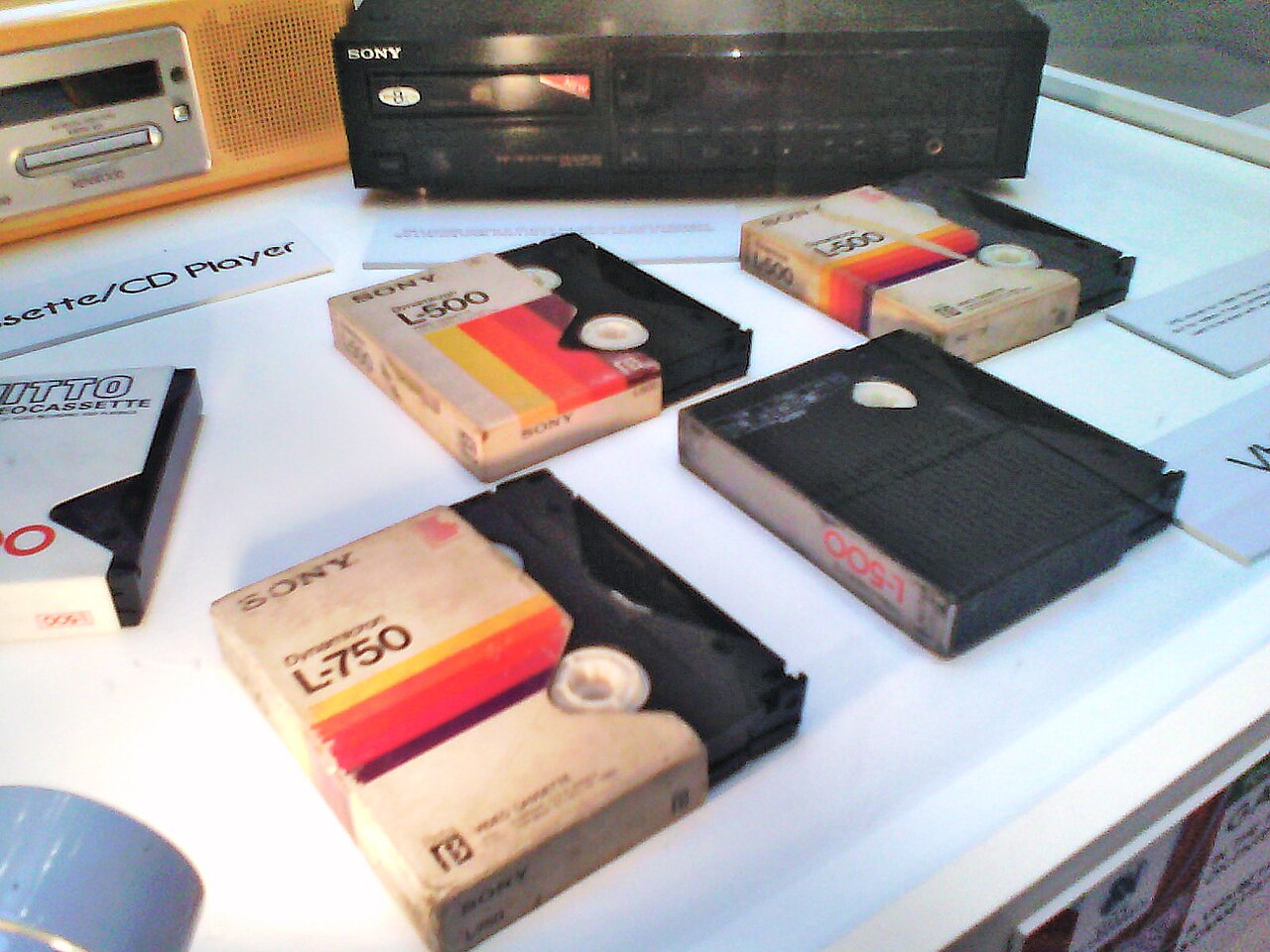
Betamax used a helical-scan recording method on a small rectangular cassette. Early consumer machines emphasized picture clarity and mechanical precision. Over time Sony introduced revisions and related products, including higher-capacity Beta variants with extended recording times and the Betacam family, a series of professional video formats derived from Beta engineering that became widely used in television production.
History and market competition
Launched in Japan in May 1975 and shortly thereafter in the United States, Betamax arrived at a time when several videotape systems were vying for consumer adoption. Although many observers praised Beta for its picture quality, the format faced stiff competition from VHS, which offered longer cassette run-times at first and was broadly licensed by other manufacturers. Those commercial and practical advantages helped VHS become the dominant home video format by the 1980s.
Uses and significance
Consumers used Betamax primarily for recording television broadcasts and playing prerecorded tapes. Broadcast and production sectors benefited from Sony's Betacam and later digital descendants, which shared engineering heritage with the consumer Beta line. The Betamax story also influenced legal and business debates about device manufacturers, media licensing, and consumer recording, shaping policies for decades.
Technical distinctions and notable facts
- Recording time: Early Betamax cassettes had shorter record times compared with contemporary VHS cassettes, which affected consumer preference for feature-length recordings.
- Image quality: Beta often offered slightly better resolution and color stability in consumer comparisons of the period.
- Professional spin-offs: Betacam, introduced later, became a broadcast standard and bears only partial compatibility with the home Beta format.
Legacy
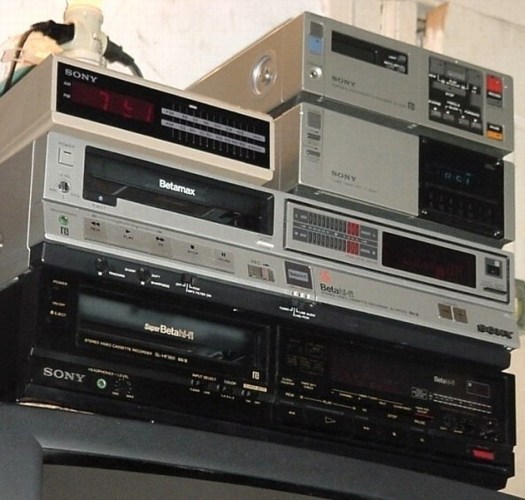
Although Betamax lost the consumer format war and is obsolete for everyday use, it had a long production life—Sony continued to make some Betamax recorders into the early 2000s, and tapes remained obtainable years after. The format remains of interest to collectors, archivists and historians studying the evolution of video technology and media markets. For general background on videotape technology, see videotape.
Related articles
Author
AlegsaOnline.com Betamax: Sony's home videotape format and its legacy Leandro Alegsa
URL: https://en.alegsaonline.com/art/10999
Sources
- books.google.com : Video and DVD Industries
- pcmag.com : "Betamax"
- sony.co.jp : "Beta Video Cassette and Micro MV Cassette Tape End of Shipment Announcement"