
Bipod: portable two-legged support for firearms and equipment
A bipod is a two-legged support device used to steady rifles, mortars and other equipment. This article explains its design, history, common types, uses and limitations.
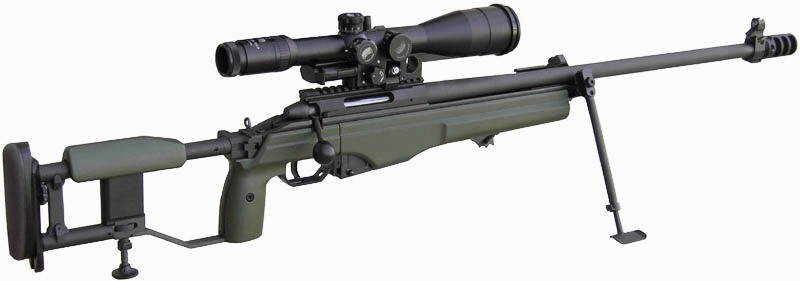
A bipod is a two-legged, portable support that stabilizes a device—most commonly a long gun, precision rifle or mortar—by resting two points of contact on a surface. The term combines the elements often written as bi (two) and pod (foot) and describes the basic two‑footed geometry that gives the device its name. Bipods are intended to reduce unwanted movement and to improve aim and repeatable positioning.
Image gallery
7 Images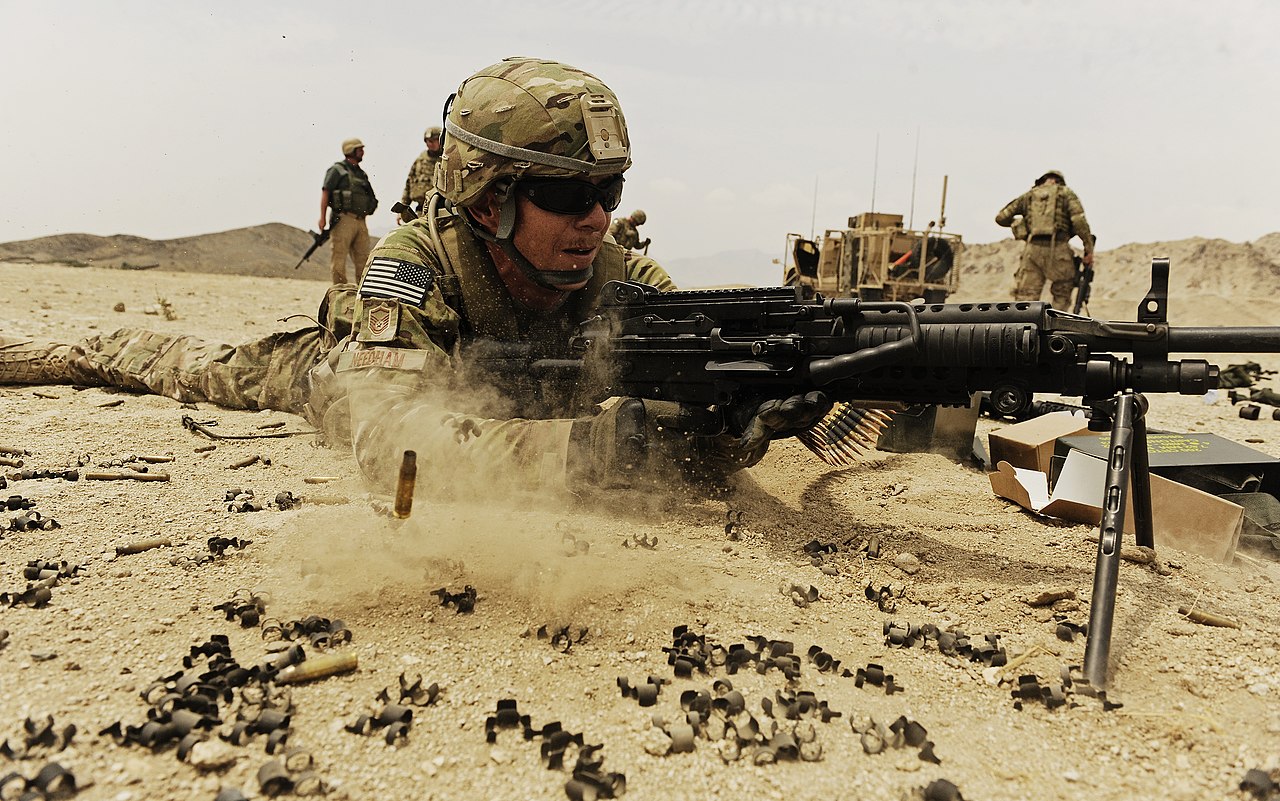




Design and common features
Typical bipod components include a mounting interface, two legs that fold or telescope, and a head or yoke that attaches to the firearm or instrument. Legs may lock at fixed lengths or be continuously adjustable; they can be angled outward in a V shape for stability, or set closer for compact transport. Heads may allow some cant (tilt) and limited pan (swing) so the user can sweep horizontally without changing the bipod position.
Types and materials
- Folding bipods that collapse against the device for storage.
- Telescoping bipods with multiple height settings for uneven terrain.
- Fixed-length shooting rests used in bench and competition shooting.
- Lightweight models made from aluminum or carbon-fiber and heavy-duty steel models for sustained fire weapons.
Mounting methods vary: older bipods used sling‑swivel studs while modern examples attach to accessory rails such as Picatinny or similar interfaces.
History and development
Supports for firearms have existed almost as long as guns themselves, evolving from simple sticks and bags to purpose-made two-legged mounts. Bipods became more common with the rise of precision and long-range shooting and were incorporated into military and sporting equipment during the 19th and 20th centuries as metallurgy and manufacturing allowed lighter, stronger designs.
Uses, advantages and limits
Bipods are widely used for sniping, target shooting, hunting and by infantry weapons crews. They provide excellent stability particularly in the vertical and lateral axes, improving accuracy for aimed shots. Advantages include rapid deployment, reduced shooter fatigue and repeatable positioning. Limitations include a restricted field of traverse compared with tripods, dependence on a suitable surface to bear the legs, and sometimes an inability to absorb recoil as effectively as heavier mounts.
Understanding the intended use—precision bench work, field hunting, or sustained military fire—helps choose an appropriate bipod style and mounting method. For further general background on the word elements and related terms, see the linked etymology references above.
Questions and answers
Q: What is a bipod?
A: A bipod is a portable V-shaped attachment that provides support and steadiness to a long gun or a mortar.
Q: What is the origin of the word "bipod"?
A: The word "bipod" comes from the Latin and Greek words "bi" meaning "two" and "pod" meaning "foot".
Q: What is the purpose of using a bipod attachment?
A: The primary purpose of using a bipod attachment is to provide stability and support to a firearm, making it easier to aim and shoot accurately.
Q: What is the best stability that a bipod provides?
A: The best stability that a bipod provides is along two axes of motion: side-to-side and up-and-down.
Q: What type of devices usually have bipod attachments?
A: Bipod attachments are usually attached to weapons such as long guns or mortars.
Q: How does a bipod help in steadying a firearm?
A: A bipod helps in steadying a firearm by providing support and stability to the device. It allows the user to aim and shoot accurately by minimizing unnecessary movements.
Q: Can a bipod be removed from a firearm easily?
A: Yes, a bipod can be removed from a firearm easily as it is a portable attachment designed for quick detachment and easy storage.
Related articles
Author
AlegsaOnline.com Bipod: portable two-legged support for firearms and equipment Leandro Alegsa
URL: https://en.alegsaonline.com/art/11685
Sources
- merriam-webster.com : "Bipod-Definition and More"
- chuckhawks.com : "Choosing the Right Sight"
- stormingmedia.us : "Infantry Weapons Test Methods"