
Yokohama: Port City of Kanagawa and Japan’s International Gateway
Yokohama is a major Japanese port city in Kanagawa Prefecture near Tokyo, known for its historic opening to foreign trade, large Chinatown, modern waterfront district, universities, and role in Japan's industrial development.
Yokohama (Japanese: 横浜, Hepburn: Yokohama) is a prominent city on the island of Honshū and serves as the capital of Kanagawa Prefecture. Located in the Kantō region immediately south of Tokyo, Yokohama grew from a small fishing village into one of Japan’s largest urban centers after it became a treaty port in the 19th century. Today it functions as a regional administrative center, a major seaport and an integral part of the Greater Tokyo metropolitan area.

Image gallery
10 Images


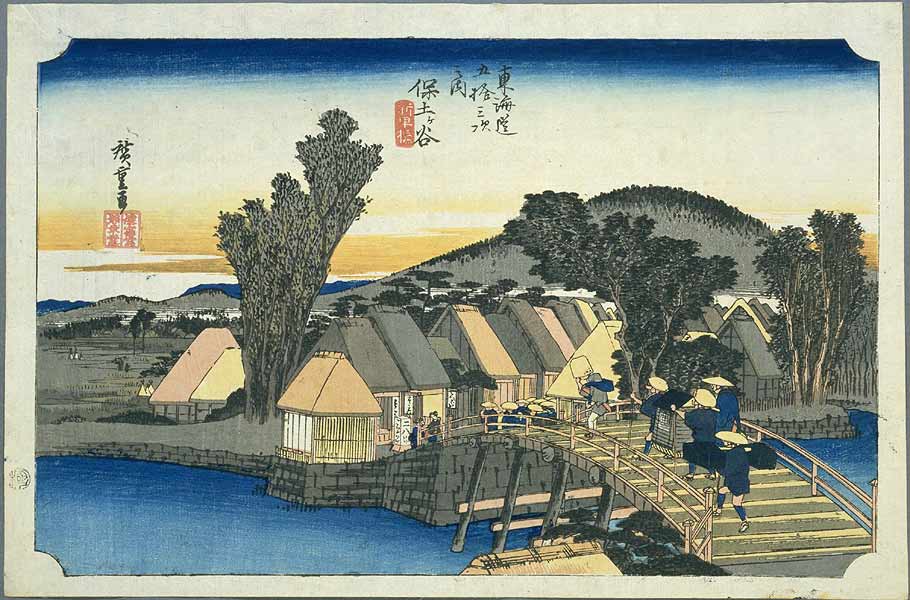

Geography and urban structure
Yokohama’s urban area centers on its waterfront and the port facilities. The city includes a mix of older neighborhoods and newer planned developments; historic wards and former suburbs such as Hodogaya and Totsuka are now incorporated into the municipal area. The downtown and business districts cluster near the harbor, while residential and industrial zones radiate outward. The port area and adjacent Minato Mirai 21 district are focal points for commerce, tourism and urban renewal.
Port, economy and infrastructure
The international seaport of Yokohama has long been a gateway for trade and contact between Japan and the wider world. As a container and vehicle export hub, the port handles large volumes of manufactured goods, including automobiles and machinery, and supports warehousing, logistics and ship-related industries. The city’s economic profile combines heavy industry, corporate offices, retail and services. The term port often defines the layout and activities of the central waterfront.
Culture, tourism and notable districts
Yokohama is known for several distinctive districts and attractions that reflect both its international links and modern urban character. Minato Mirai is a planned waterfront area with shopping, museums and entertainment. The city is home to Japan’s largest Chinatown, a lively quarter of restaurants, shops and festivals that celebrates Chinese-Japanese cultural exchange; see Chinatown for more background. Landmark buildings, waterfront promenades, amusement facilities and seasonal events draw residents and visitors alike.
History and development
Before the 19th century Yokohama was small and primarily coastal in character. The city’s transformation accelerated when it opened to foreign trade following national policy changes; foreign settlement and shipping led to rapid modernization, industrial growth and urban expansion. That period established Yokohama’s role in introducing new technologies, foods and cultural influences to Japan, and shaped its identity as an international port city.
Transport and institutions
Yokohama is well connected by rail, road and sea. For air travel the city is served primarily via nearby metropolitan airports such as Tokyo International (Haneda) and Narita International Airport. Local and regional rail lines provide frequent links with central Tokyo and other parts of Kanagawa. The city hosts higher education institutions including universities such as Yokohama National University and Yokohama City University, contributing to research, education and cultural life.
Notable facts and distinctions
- Yokohama is one of Japan’s largest cities and, since the late 20th century, has ranked near the top in population among Japanese municipalities.
- The city’s port remains a significant international gateway for goods and people, influencing local industry and urban planning.
- Its Chinatown and international neighborhoods reflect a long history of cross-cultural exchange that began when the port opened to foreign trade.
Yokohama’s mix of historic port facilities, modern waterfront developments, cultural districts and educational institutions makes it a key node in the Tokyo metropolitan region and a city with a distinct international character. For maps, transport timetables and official services consult municipal and transport resources referenced by local authorities and travel guides.
Further reading and external resources: see municipal pages and overview entries linked from official sites and travel platforms. For general city terminology see Japanese script and romanization references; for port and urban planning topics consult regional economic reports and transport authorities.
Additional links: Kanagawa Prefecture, Honshū, Kantō region, Tokyo, port, Chinatown, Narita Airport.
Related articles
Author
AlegsaOnline.com Yokohama: Port City of Kanagawa and Japan’s International Gateway Leandro Alegsa
URL: https://en.alegsaonline.com/art/109911
Sources
- books.google.com : "Yokohama"
- books.google.com : "Tōkaidō"