
Yılmaz Onay: Turkish theatre director, translator and writer (1937–2018)
Profile of Yılmaz Onay, a Turkish theatre director, translator and author known for introducing Epic Theatre and staging Bertolt Brecht in Turkey; translator of German works and influential cultural figure.
Overview
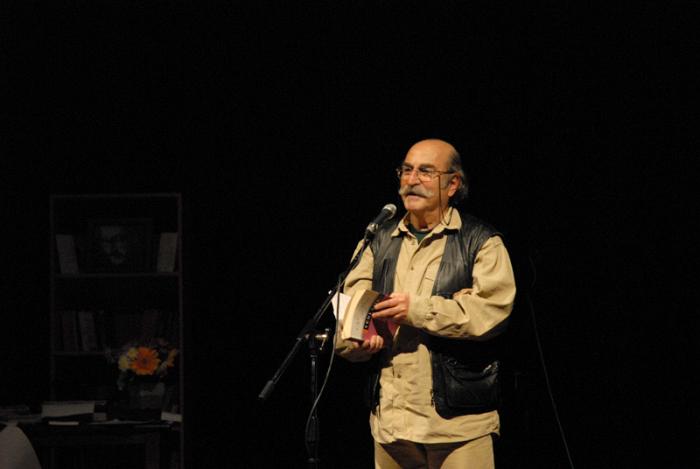
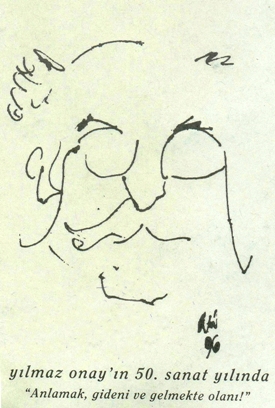
Yılmaz Onay (20 April 1937 – 9 January 2018) was a Turkish author, playwright, translator, visual artist and theatre director. Born in Gaziantep, Turkey, he became a prominent figure of modern Turkish theatre through his commitment to socially engaged drama and his translations of German-language literature. He died in Gaziantep of stomach cancer in January 2018.
Image gallery
5 Images


Career and major works
Onay spent much of his career adapting, translating and staging works from German to Turkish, with particular attention to the plays of Bertolt Brecht. He translated a wide range of material including plays, short stories, novels, poetry and non‑fiction, and he also wrote original plays and novels that were published in Turkey. Among his best‑known directorial projects was a production of Brecht's Fear and Misery of the Third Reich, presented in a style that emphasized politically conscious theatre.
Artistic approach and influence
Onay was associated with the Epic Theatre tradition, a movement that foregrounds the social purpose of drama and seeks to prompt critical reflection rather than emotional identification. In practice, his productions often used techniques associated with this approach—visible stagecraft, interruptions of dramatic illusion, and didactic devices—to encourage audiences to think critically about political and historical issues. He is regarded as one of the Turkish practitioners who introduced and adapted Brechtian methods for local stages.
Roles and types of work
- Theatre director: staging socially engaged plays and experimental productions.
- Translator: rendering plays and literary works from German into Turkish for performance and print.
- Playwright and novelist: producing original dramatic and prose works reflecting contemporary concerns.
- Artist: contributing to visual and stage design elements in his productions.
Legacy and significance
Onay's contribution to Turkish culture lies in his sustained effort to bridge German and Turkish theatre and literature, and in his promotion of theatre as a forum for public debate. By translating canonical foreign texts and adapting Brechtian techniques to Turkish contexts, he helped expand the repertoire and methodologies available to Turkish directors and actors. His work remains a reference point for scholars and practitioners interested in political theatre, translation studies and modern Turkish dramaturgy.
For further reading and archival materials, consult contemporary accounts of his productions, collections of his translations and studies of Epic Theatre in Turkey. His career illustrates how translation, direction and original writing can combine to shape a national theatrical discourse.
Related articles
Author
AlegsaOnline.com Yılmaz Onay: Turkish theatre director, translator and writer (1937–2018) Leandro Alegsa
URL: https://en.alegsaonline.com/art/109867