
Year of the Four Emperors (AD 69): causes, events and consequences
AD 69 saw rapid imperial turnover in Rome: Galba, Otho, Vitellius and Vespasian claimed power. This article explains the sequence, military dynamics, and the political consequences that shaped the Flavian era.
The "Year of the Four Emperors" describes AD 69, a turbulent period in the history of the Roman Empire when four men—Galba, Otho, Vitellius and Vespasian—succeeded one another in quick succession. The crisis followed the death of Nero in 68 and reopened divisions within the ruling elite, testing loyalties of provincial armies and revealing how much real power rested with the legions and the governors who commanded them.
Image gallery
9 Images
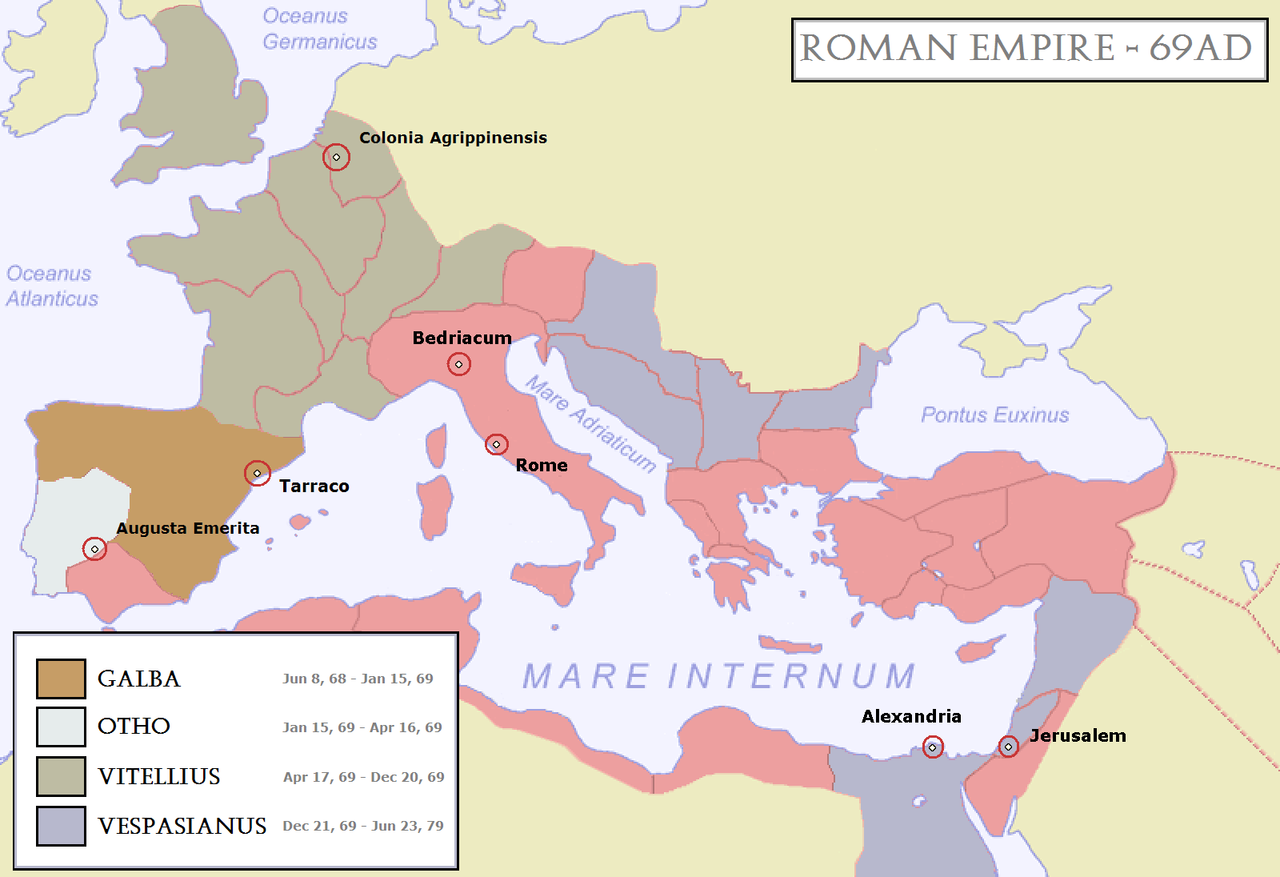

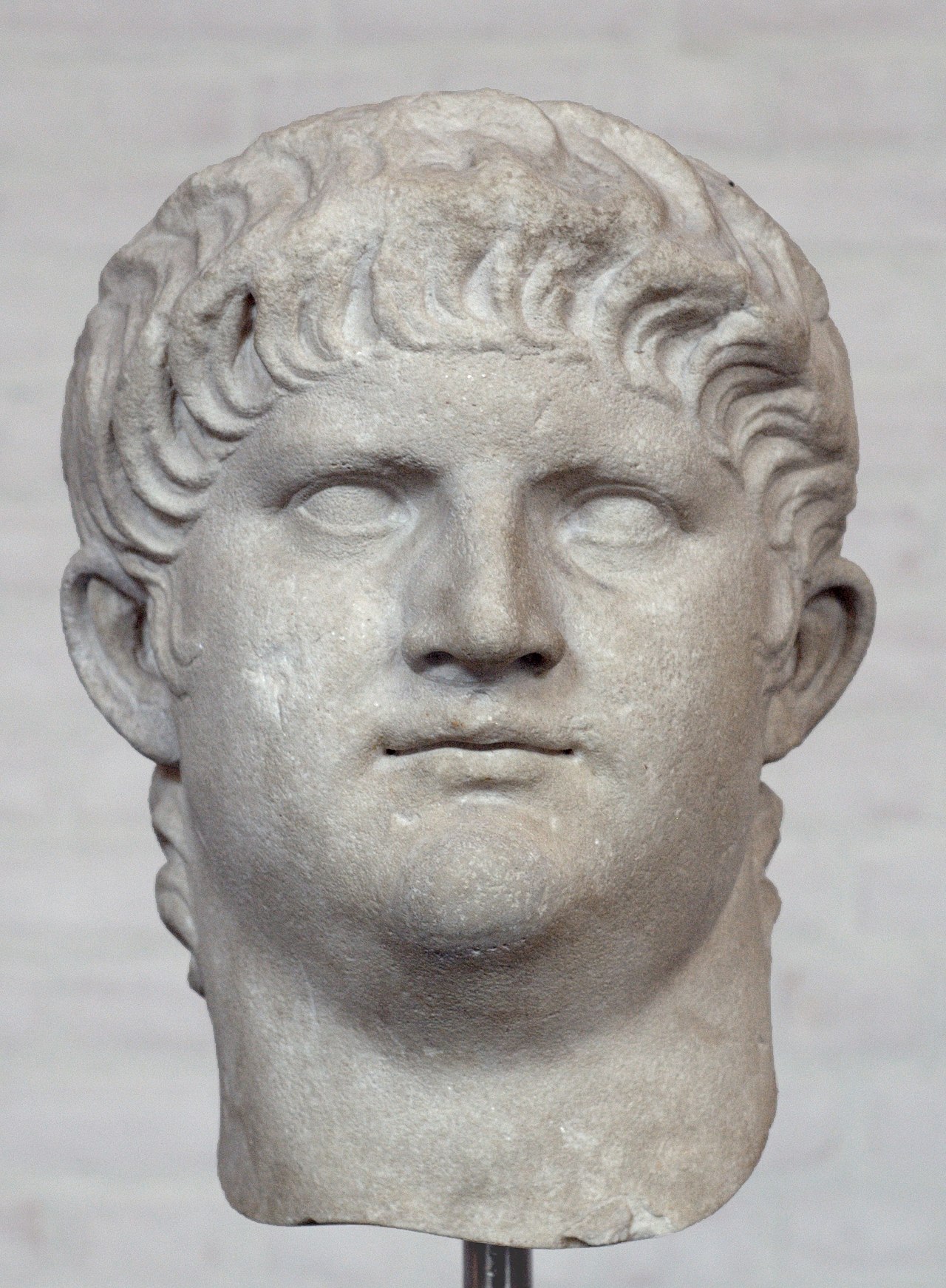


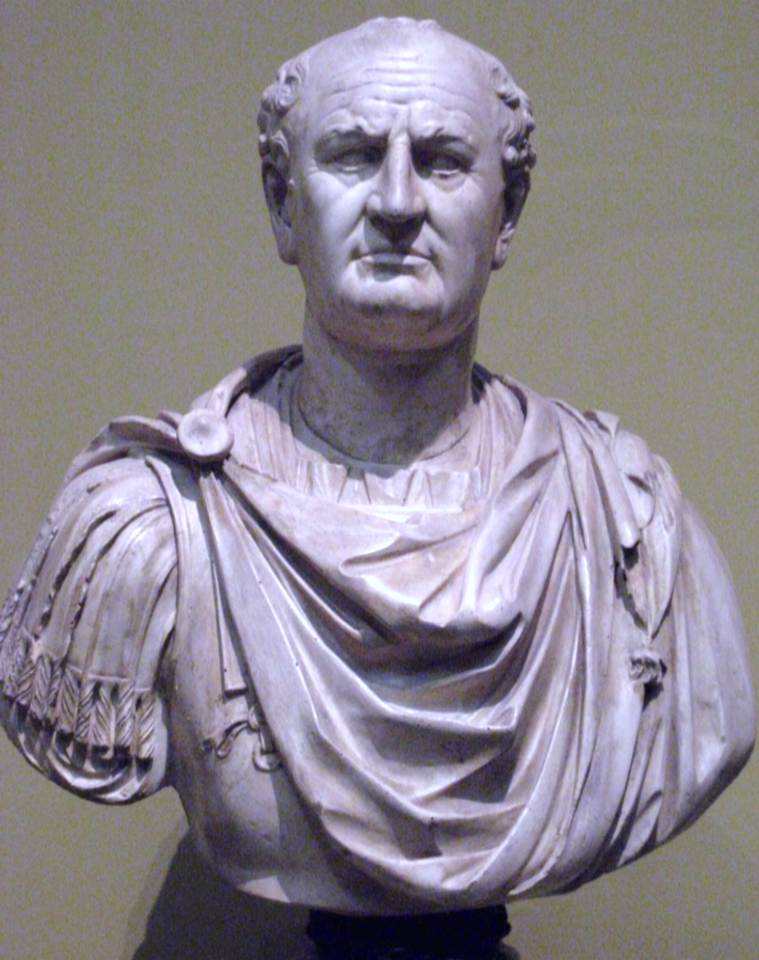
Main figures and a brief timeline
- Servius Sulpicius Galba — governor in Hispania who was proclaimed emperor in June 68 and arrived in Rome claiming the throne; his short rule ended in a mutiny and assassination in January 69. Galba is often remembered for failing to secure broad support.
- Marcus Salvius Otho — an ambitious politician who had backed Galba’s rise, then organized the coup that killed Galba and took power; Otho ruled only a few months before being defeated in battle.
- Aulus Vitellius — commander of the Rhine legions, proclaimed emperor by those forces; his troops marched on Rome and defeated Otho’s supporters, placing Vitellius briefly on the throne.
- Titus Flavius Vespasianus — a senior general engaged in the Jewish campaign who was declared emperor by eastern legions and provincial administrations; his rise ended the year’s chaos and began the Flavian dynasty. Vespasian consolidated power and initiated a period of recovery.
Causes and military dynamics
The crisis exposed how succession in the imperial system depended less on law and more on military endorsement. Governors and legion commanders could make or break emperors by proclaiming candidates and moving troops. Rivalries among provincial armies—especially those on the Rhine and in the East—created competing power centers. Political rivalries in Rome were intertwined with these military choices, turning local grievances and personal ambitions into empire-wide conflict. The events of AD 69 were the first large-scale civil wars since the fall of the Republican faction of Mark Antony and signaled a renewed prominence of military force in imperial politics.
Key events and military confrontations
The sequence of coups and pitched engagements moved quickly: Galba’s unpopularity led to his murder; Otho’s brief reign ended after his defeat by Vitellius’s forces at a decisive engagement in northern Italy; while Vitellius’s triumph was undercut by the eastern proclamation of Vespasian. With provincial governors and senior commanders backing Vespasian, forces loyal to him advanced on Rome, culminating in Vitellius’s overthrow late in 69. The process of accession now involved multiple provinces and the endorsement of several legionary groups rather than only the Roman Senate.
Consequences and significance
The immediate effects included continued unrest: the Batavian rebellion in the Rhine provinces and ongoing trouble in the East, while the Jewish War continued independently. Politically, the crisis led to clearer imperial control by a new dynasty: Vespasian founded the Flavian line that sought to restore stability and reassert centralized authority. Administratively, the episode encouraged future emperors to secure loyalty through pay, veteran settlements, and more direct control of provincial armies to reduce the chance of rapid usurpation.
Legacy and historical perspective
Historians view the Year of the Four Emperors as a turning point that highlighted the decisive role of the military in imperial succession and the fragility of senatorial power. Though short, the year’s events reshaped imperial practice: subsequent rulers paid closer attention to the distribution of legions and to ensuring reliable support in key provinces. The turmoil also demonstrated how local rebellions—like the Batavian revolt—and wider conflicts such as the Jewish War could interact with imperial politics to produce prolonged instability.
For further reading and primary-source discussions, consult modern surveys of the Roman Empire and focused studies on Galba, Vespasian, and the aftermath of Nero’s rule, as well as biographies that assess the long-term effects of military intervention in imperial successions. The Year of the Four Emperors remains a key example of how empire-wide crises can emerge from a combination of political dysfunction and military ambition.
See also accounts of earlier civil conflicts since Mark Antony and studies of Rome’s urban politics around the time of the upheaval, which illuminate how events in the capital mirrored—and were shaped by—developments across the provinces.
Questions and answers
Q: What is the Year of the Four Emperors?
A: The Year of the Four Emperors was a year of remarkable turnover in which four Roman emperors ruled in AD 69.
Q: Who were the four emperors during the Year of the Four Emperors?
A: The four emperors during the Year of the Four Emperors were Galba, Otho, Vitellius, and Vespasian.
Q: When did the first Roman civil war occur before the Year of the Four Emperors?
A: The first Roman civil war since Mark Antony's death in 30 BC occurred between June of 68 and December of 69.
Q: How did the Year of the Four Emperors end?
A: The Year of the Four Emperors ended with the accession of Vespasian, the first ruler of the Flavian Dynasty.
Q: What were the repercussions of the military and political anarchy created by the Year of the Four Emperors?
A: The repercussions of the military and political anarchy created by the Year of the Four Emperors included the outbreak of the Batavian rebellion and ongoing Jewish Revolt.
Q: When did the Jewish Revolt occur?
A: The Jewish Revolt was already ongoing during the Year of the Four Emperors.
Q: How did the Year of the Four Emperors contribute to the political disturbances in the history of the Roman Empire?
A: The Year of the Four Emperors was an example of political disturbances in the history of the Roman Empire as it was a year of remarkable turnover and civil war which had serious repercussions.
Related articles
Author
AlegsaOnline.com Year of the Four Emperors (AD 69): causes, events and consequences Leandro Alegsa
URL: https://en.alegsaonline.com/art/109729
Sources
- gutenberg.org : The Lives of the Twelve Caesars, Complete