
Yehud Medinata: the Persian province of Judah (6th–4th centuries BCE)
Yehud Medinata was the Persian-period province roughly corresponding to the territory of Judah. It centered on Jerusalem, had a distinct administrative status, and shaped the early Second Temple community.
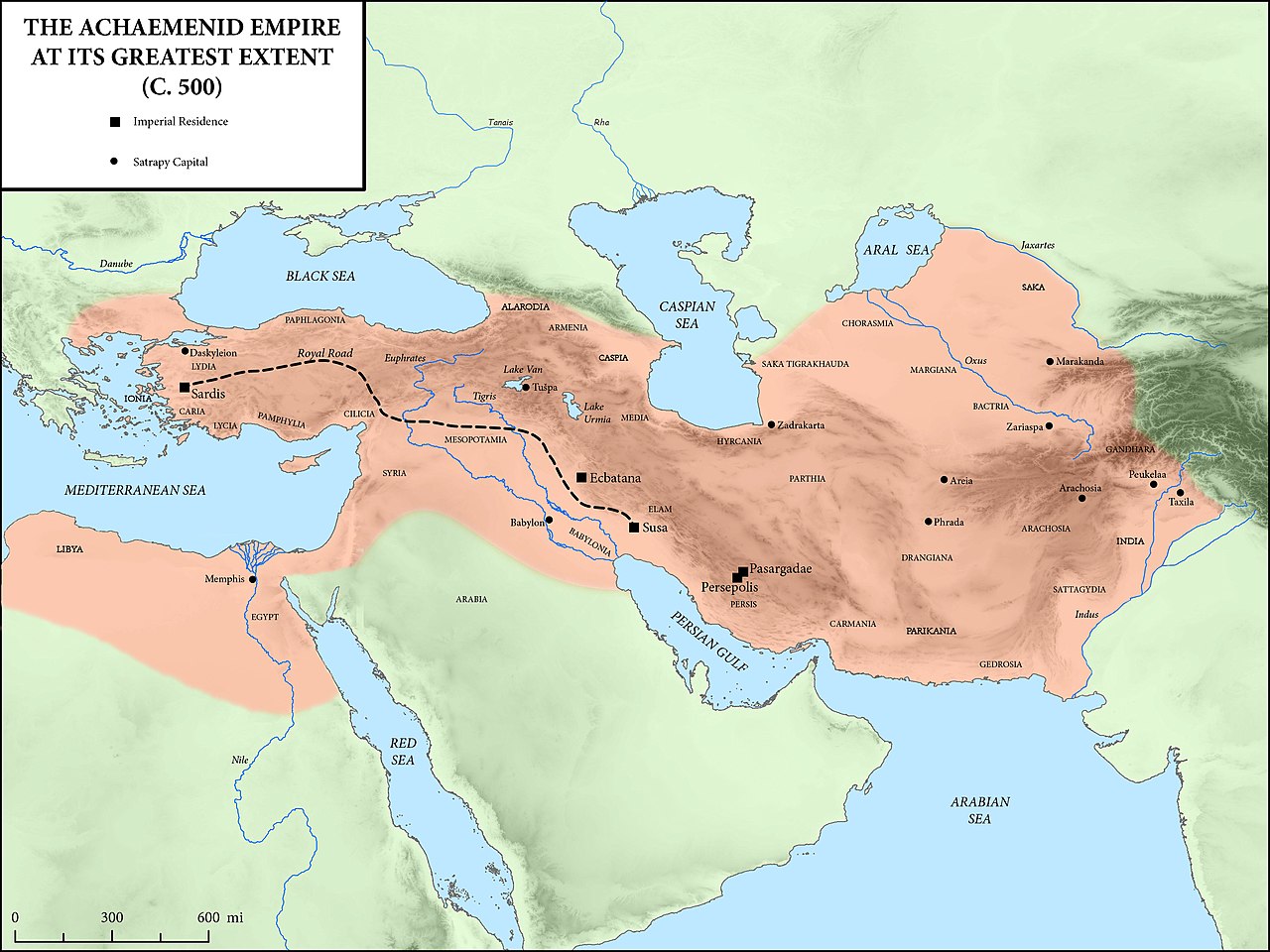
Yehud Medinata (an Aramaic term often rendered as the "State of Judah") refers to the province established under the Achaemenid Persian Empire in the southern Levant. The province occupied much of the territory once ruled by the ancient Kingdom of Judah but was smaller in extent and subject to Persian imperial structures. Its heart was Jerusalem, where the restored temple became the focal point of religious life.
Image gallery
9 Images




Geography, population and language
The province lay within the larger satrapal district known as Eber-Nari. Yehud's population included returning exiles, local rural communities and a range of ethnic groups typical of the Persian Near East. Administrative and commercial communication commonly used Imperial Aramaic, while Hebrew persisted as a local language of worship and community life.
Administration and economy
As a province of the Achaemenid state, Yehud paid tribute and was overseen by Persian-appointed officials alongside local leaders. Taxes, agricultural production, and temple offerings formed the economic base. The Persian period permitted a degree of local autonomy focused on restoring communal and cultic institutions, which allowed a Jewish provincial elite and priesthood to exercise influence in civic affairs.
Historical outline
- Background: The earlier kingdom of Judah fell to the Neo-Babylonian Empire; a Babylonian provincial arrangement preceded Persian control (Neo-Babylonian Empire).
- Persian period: After the Persians replaced Babylon, Yehud became a recognized province within the Achaemenid system (Achaemenid Empire).
- End of the province: The Persian administration lasted until the region was incorporated into the domains of Alexander the Great, after which Hellenistic reorganizations followed.
Religion, society and legacy
The era of Yehud is closely associated with the early Second Temple period: the temple in Jerusalem was rebuilt and religious institutions were reestablished, shaping practices and texts that became central to later Judaism. Local governance, temple leadership and the return of some exiles contributed to a renewed communal identity.
Yehud Medinata is distinct from both the earlier monarchic Kingdom of Judah (Kingdom of Judah) and later independent polities. Its name in Aramaic appears in contemporary sources and inscriptions (Aramaic name), and its place within the imperial structure is reflected in Persian-era records and archaeological remains. As a province it illustrates how imperial rule and local traditions interacted in the Near East under the Achaemenid Empire.
Questions and answers
Q: What does Yehud Medinata mean?
A: Yehud Medinata means the State of Judah in Aramaic.
Q: What empire was Yehud Medinata a part of?
A: Yehud Medinata was part of the Persian Achaemenid Empire.
Q: In which satrapy was Yehud Medinata located?
A: Yehud Medinata was located in the satrapy of Eber-Nari.
Q: How did the area of Yehud Medinata compare to the older kingdom of Judah?
A: Yehud Medinata was roughly like the older kingdom of Judah but had less land.
Q: What was the previous Babylonian province of Yehud?
A: The previous Babylonian province of Yehud was created after the kingdom of Judah was invaded by the Neo-Babylonian Empire in c. 597.
Q: How long did Yehud Medinata continue to exist?
A: Yehud Medinata continued to exist for two centuries.
Q: Who conquered Yehud Medinata and made it part of his empire?
A: Alexander the Great conquered Yehud Medinata and made it part of his empire.
Related articles
Author
AlegsaOnline.com Yehud Medinata: the Persian province of Judah (6th–4th centuries BCE) Leandro Alegsa
URL: https://en.alegsaonline.com/art/109746