
20th-Century Philosophy: Movements, Methods, and Influence
An overview of major trends, methods, and figures in philosophy during the twentieth century, including analytic and continental traditions and their lasting impact.
20th-century philosophy denotes the varied philosophical work produced roughly between 1900 and 2000. It developed against a backdrop of rapid scientific and mathematical progress and growing institutionalization of the discipline. Many thinkers responded to new results in logic, physics, and the foundations of mathematics while others reacted to social and cultural upheaval. For introductions to the broader subject of philosophy and its relation to other fields see philosophy resources and the influence of scientific advances summarized at science overview. The mathematical context is described at mathematics background.
Image gallery
2 Images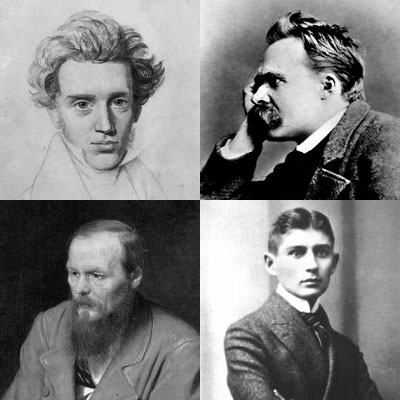
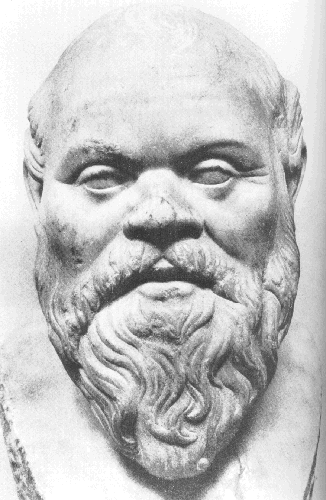
Core tendencies and methods
The century is commonly divided into broad orientations that differed in aims and methods. Analytic philosophy emphasized argumentative clarity, formal logic, and linguistic analysis, often treating philosophical problems as issues of language and conceptual confusion. Continental philosophy emphasized historical context, experience, culture, and critique, using hermeneutic, phenomenological, or dialectical methods. Other approaches—pragmatism, Marxist theory, critical theory, and various forms of existential and post-structural thought—offered alternative priorities, such as practice, social emancipation, or lived experience.
Major movements and examples
- Analytic: logical analysis, philosophy of language, philosophy of science.
- Phenomenology and existentialism: descriptions of conscious experience and questions about freedom and meaning.
- Logical positivism and neopositivist tendencies: attempts to align meaning with empirical verifiability.
- Critical theory and Marxist-influenced work: social critique and theory of ideology.
- Post-structuralism and deconstruction: critique of fixed meanings, emphasis on power and discourse.
These categories overlap and evolved across the century. For example, analytic techniques influenced ethics and epistemology, while continental thinkers sometimes adopted rigorous textual methods. Debates about science, mathematics, language, and the limits of reason animated much discussion and led to new subfields such as philosophy of mind, philosophy of language, and philosophy of science.
Institutional changes also shaped the field: philosophy became more professionalized, with specialized journals, departments, and graduate training. This professionalization both expanded technical work and encouraged specialization, while public-facing philosophical writing and applied ethics preserved broader engagement with society.
Notable enduring effects include the normalization of formal and empirical methods in some areas, deeper attention to history and culture in others, and a persistent plurality of styles and aims. The twentieth century left a legacy of methodological diversity: contemporary philosophy commonly draws on the analytic commitment to argument and the continental emphasis on historical and social context, often combining them in new ways.
Questions and answers
Q: What time period does 20th-century philosophy cover?
A: 20th-century philosophy covers thinkers who wrote and produced ideas in philosophy during the twentieth century.
Q: What led to new ways of thinking about problems in philosophy during the 20th century?
A: New ways of thinking about problems were put forward following the success of science and advances in mathematics and other areas of study.
Q: How did the professionalization of philosophy impact the field in the 20th century?
A: Philosophy after 1900 became more professionalized.
Q: What were the two main kinds of philosophy that emerged in the 20th century?
A: Philosophers gradually split between two main kinds of philosophy.
Q: Did philosophers in the 20th century agree on their approach to philosophy?
A: No, philosophers gradually split between two main kinds of philosophy.
Q: How did advances in science and mathematics influence philosophy in the 20th century?
A: New ways of thinking about problems were put forward following the success of science and advances in mathematics and other areas of study.
Q: Did philosophy in the 20th century differ greatly from philosophy in previous centuries?
A: It is implied that there were differences, as the text specifically refers to "20th-century philosophy" and notes that new ways of thinking were put forward. However, the text does not provide details on how it differed from previous centuries.
Related articles
Author
AlegsaOnline.com 20th-Century Philosophy: Movements, Methods, and Influence Leandro Alegsa
URL: https://en.alegsaonline.com/art/112698