
Xenia, Ohio
Xenia is a city in southwestern Ohio, founded in 1803 and serving as Greene County’s seat. It is known for its early settlement history and for the severe April 3, 1974 tornado that reshaped the community.
Overview: Xenia is a city in the southwestern part of Ohio, located roughly twenty miles east of Dayton. Founded in 1803, the same year Ohio achieved statehood, Xenia developed as the county seat of Greene County and as a local center for government, commerce and services for surrounding rural areas. Its name derives from the ancient Greek word for hospitality, a reflection of early settlers’ aspirations for the community.
Image gallery
9 Images


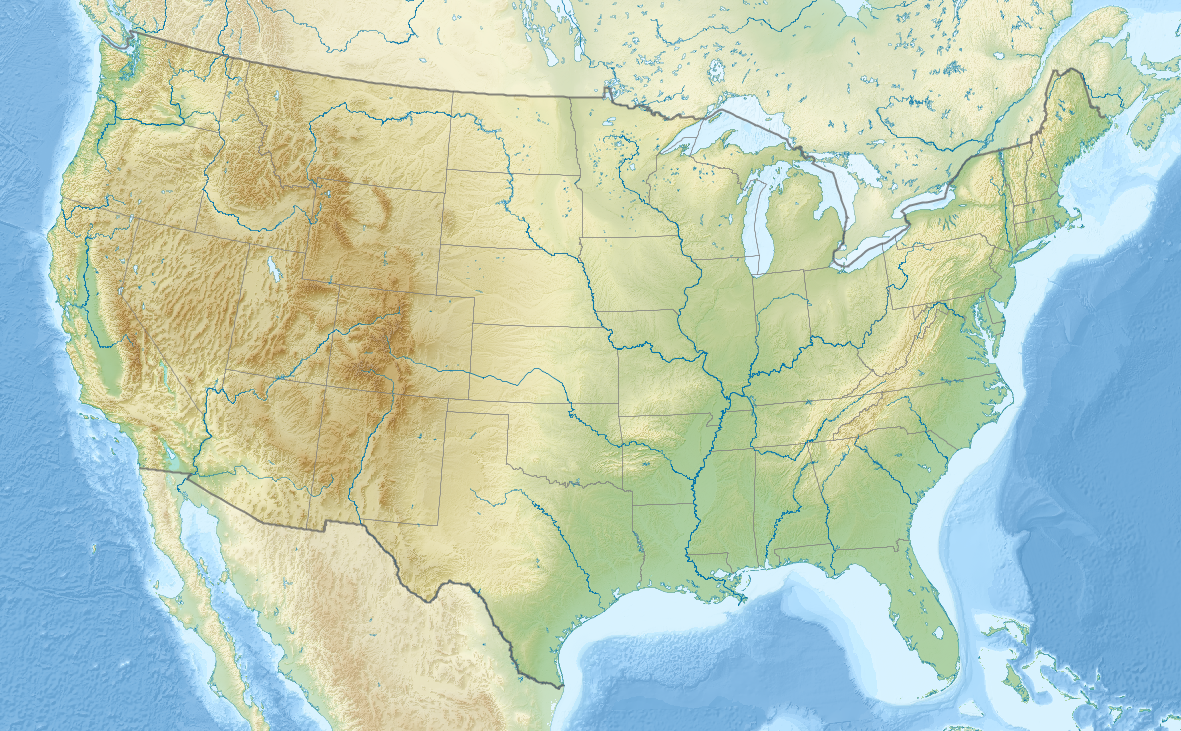

Geography and transportation
Xenia sits within a landscape of mixed farmland, small parks and residential neighborhoods. Its proximity to regional transportation corridors has long influenced growth and commuting patterns: residents commonly travel to nearby cities for employment while local streets and transit routes link neighborhoods and business districts. The city’s location also places it within the Midwest’s weather patterns, including spring storm systems that occasionally bring severe conditions.
History and development
Established in the early 19th century, Xenia grew as settlers arrived from the eastern United States, building public institutions such as a courthouse, schools and churches. Through the 19th and early 20th centuries the town expanded modestly with small industries, retail trade and agricultural support services. Over time the downtown and residential areas have seen periods of renovation, preservation and modern development reflecting broader economic shifts in the region.
The 1974 tornado and recovery
On April 3, 1974, Xenia was struck by one of the most destructive tornadoes in American history during the multi-state event often called the 1974 tornado outbreak. The tornado caused extensive damage across the city, destroyed the high school and took dozens of lives; the event remains a defining moment in local memory. Recovery involved large-scale rebuilding, changes to emergency planning and construction practices, and the creation of memorials and records that document the community’s response to that disaster. Studies of the outbreak contributed to improvements in warning systems and storm preparedness across the region; additional context and comparisons with other events are available in regional storm summaries (see discussions of the outbreak).
Economy, culture and institutions
Xenia’s economy blends public administration, local retail, light manufacturing and services, with many residents commuting to larger urban centers nearby. Cultural life is anchored by community festivals, local museums and historic sites, neighborhood schools and recreational programs. Civic organizations and preservation groups work to maintain historic buildings while encouraging economic revitalization and community events that reflect local heritage.
Notable facts and distinctions
- County seat of Greene County, with a historic courthouse and civic institutions.
- Founded in 1803, the city’s name is tied to the idea of hospitality.
- Site of one of the most severe tornado impacts during the April 1974 outbreak; recovery shaped later emergency planning.
- Serves as a regional center for nearby rural communities while maintaining connections to larger metropolitan areas.
Related articles
Author
AlegsaOnline.com Xenia, Ohio Leandro Alegsa
URL: https://en.alegsaonline.com/art/109448